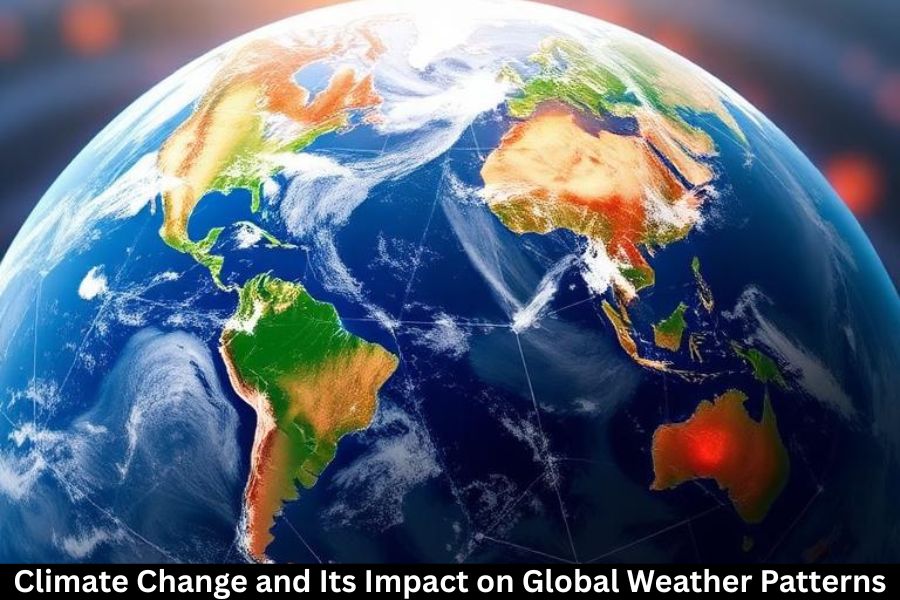
Climate change has become one of the most pressing issues of the 21st century, affecting ecosystems, economies, and human lives worldwide. One of the most visible consequences of climate change is its impact on global weather patterns. Rising temperatures, changing precipitation levels, and increasing frequency of extreme weather events are reshaping the way our planet experiences climate, posing significant challenges for communities, agriculture, and biodiversity.
Rising Temperatures and Heatwaves
Global temperatures have been steadily rising due to increased greenhouse gas emissions from human activities, such as burning fossil fuels and deforestation. Higher temperatures are linked to more frequent and intense heatwaves, which can threaten human health, reduce agricultural productivity, and strain energy resources. Regions that were once temperate are experiencing unprecedented hot spells, increasing the risk of drought and water shortages.
Changes in Precipitation Patterns
Climate change is altering precipitation patterns across the globe. Some regions are experiencing heavier rainfall and flooding, while others are facing prolonged droughts. These shifts affect water availability, agricultural output, and ecosystems. For example, increased rainfall in certain areas can lead to soil erosion and crop damage, while droughts can devastate farming communities and reduce drinking water supplies.
Intensification of Extreme Weather Events
Extreme weather events, including hurricanes, cyclones, tornadoes, and storms, are becoming more intense and frequent due to climate change. Warmer ocean temperatures fuel stronger storms, while shifts in atmospheric patterns can extend their reach and duration. These events not only cause immediate damage to infrastructure and communities but also have long-term economic and environmental consequences.
Impacts on Oceans and Polar Regions
Climate change is also affecting ocean currents, sea levels, and polar ice caps. Melting glaciers and polar ice contribute to rising sea levels, which can result in coastal flooding and displacement of populations. Changes in ocean temperatures and currents can disrupt marine ecosystems and fisheries, affecting both biodiversity and human livelihoods dependent on seafood.
Global Consequences for Human and Natural Systems
The impact of climate change on weather patterns extends beyond individual regions. Altered rainfall, rising temperatures, and extreme events can influence global food security, energy supply, and economic stability. Vulnerable populations, especially in developing countries, are disproportionately affected, facing challenges in adapting to these rapid changes.
Mitigation and Adaptation
Addressing the impact of climate change on weather patterns requires both mitigation and adaptation strategies. Reducing greenhouse gas emissions through renewable energy, sustainable agriculture, and forest conservation is essential to slow global warming. At the same time, improving infrastructure, early warning systems, and disaster preparedness can help communities adapt to extreme weather events.
Conclusion
Climate change is fundamentally reshaping global weather patterns, leading to rising temperatures, unpredictable precipitation, and more severe natural disasters. Its impacts are widespread, affecting human societies, ecosystems, and economies. Understanding and addressing these changes is crucial for building resilient communities and protecting the planet for future generations.
FAQ
Q1: What is climate change?
A1: Climate change refers to long-term alterations in Earth’s climate, primarily caused by human activities such as burning fossil fuels, deforestation, and industrial processes. These activities increase greenhouse gas emissions, leading to global warming and shifts in weather patterns.
Q2: How does climate change affect global temperatures?
A2: Climate change is causing global temperatures to rise, leading to more frequent and intense heatwaves. Higher temperatures can affect human health, reduce agricultural productivity, and increase energy demand.
Q3: In what ways does climate change impact rainfall and droughts?
A3: Climate change alters precipitation patterns. Some regions experience heavier rainfall and flooding, while others face prolonged droughts. These changes affect water availability, agriculture, and ecosystems.
Q4: Are extreme weather events becoming more common due to climate change?
A4: Yes. Hurricanes, cyclones, tornadoes, and storms are becoming more intense and frequent. Warmer ocean temperatures and shifting atmospheric patterns fuel stronger and longer-lasting events, causing significant environmental and economic damage.
Q5: How does climate change affect oceans and polar regions?
A5: Rising global temperatures cause polar ice to melt and sea levels to rise, leading to coastal flooding. Changes in ocean temperatures and currents can disrupt marine ecosystems and fisheries, impacting biodiversity and human livelihoods.