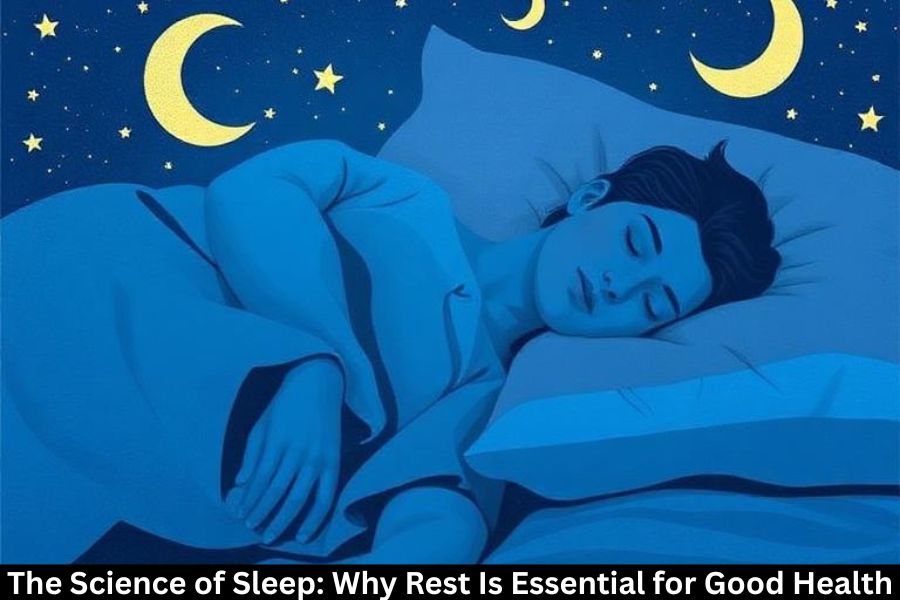
Sleep isn’t just a “nice-to-have”—it’s a biological necessity. Just like food and water, your body needs sleep to function. Yet, in today’s fast-paced world, many people treat sleep like a luxury. Late-night work sessions, endless scrolling, and stressful routines have made sleep deprivation a common issue.
Why Sleep Matters More Than You Think
Your brain and body use sleep as a reset button. Without proper rest, everything—from your memory to your immune system—starts to decline. Quality sleep is linked to better moods, sharper focus, and even longer life expectancy.
The Hidden Crisis of Sleep Deprivation
Millions of people around the world don’t get enough sleep. This widespread problem affects productivity, increases stress, and contributes to chronic diseases. The good news? Understanding the science of sleep can help you take control of your rest.
Understanding the Sleep Cycle
The Two Main Stages of Sleep
Sleep is divided into REM and Non-REM stages, each serving a unique purpose.
REM Sleep
This is when dreaming occurs. REM helps with emotional processing, creativity, and memory formation.
Non-REM Sleep
This stage includes deep sleep, where your body focuses on physical restoration and repairing tissues.
How the Sleep Cycle Works
A full sleep cycle lasts about 90 minutes and repeats throughout the night. You move between light sleep, deep sleep, and REM in a rhythmic pattern.
What Happens When the Cycle Is Disrupted
Interruptions in the cycle can affect mood, concentration, metabolism, and overall health. Consistent disruptions—like waking up frequently or going to bed late—can have long-term consequences.
The Science Behind Why We Sleep
Brain Restoration and Memory Processing
During sleep, your brain clears toxins, organizes information, and strengthens memories. It’s like your mind’s nightly cleaning crew.
Hormonal Balance and Metabolism
Sleep regulates hormones like cortisol (stress) and insulin (blood sugar). Lack of sleep can lead to weight gain and higher stress levels.
Physical Repair and Growth
Your body produces growth hormone during deep sleep, which helps repair muscles, tissues, and cells.
Health Benefits of Quality Sleep
Boosts Immune System
Good sleep strengthens your immunity. Even one night of poor sleep can weaken your body’s defense against infections.
Enhances Cognitive Function
Focus, decision-making, learning, and problem-solving all improve when you’re well-rested.
Improves Mental Health
Sleep and mental health are deeply connected. Quality sleep reduces stress, anxiety, and mood swings.
Supports Heart and Metabolic Health
Poor sleep can raise blood pressure, increase inflammation, and affect blood sugar levels.
Regulates Appetite and Weight
Lack of sleep affects hunger hormones, which increases cravings and leads to overeating.
Effects of Sleep Deprivation
Short-Term Consequences
- Irritability
- Poor concentration
- Fatigue
- Decreased coordination
Long-Term Health Risks
- Obesity
- Diabetes
- Depression
- Heart disease
- Memory problems
Impact on Emotions and Decision-Making
Without sleep, your emotional responses become less controlled, and your judgment becomes impaired.
Factors That Affect Sleep Quality
Lifestyle Habits
Late-night snacking, caffeine, irregular routines, and alcohol can affect sleep.
Environment and Bedroom Setup
A comfortable mattress, cool temperature, and dark room promote better sleep.
Technology and Screen Time
Screens emit blue light that interferes with melatonin—the hormone that helps you sleep.
Stress and Mental Health
Anxiety and racing thoughts can make falling asleep difficult.
How Much Sleep Do You Really Need?
Sleep Recommendations by Age
- Adults: 7–9 hours
- Teens: 8–10 hours
- Children: 9–12 hours
Why Sleep Needs Change Over Time
Children need more sleep for growth, while adults need consistent routines to maintain health.
Tips to Improve Sleep
Building a Healthy Sleep Routine
Go to bed and wake up at the same time every day—even on weekends.
Foods and Drinks That Help or Hurt Sleep
Avoid caffeine late in the day. Try sleep-friendly foods like bananas, almonds, or chamomile tea.
Natural Sleep Aids and Relaxation Techniques
Deep breathing, meditation, or soft music can help you unwind.
When to Seek Medical Help
If poor sleep persists, consult a doctor. Conditions like insomnia or sleep apnea may need professional treatment.
Conclusion
Sleep is a crucial pillar of good health. It supports your brain, protects your body, and boosts your emotional well-being. Understanding the science behind sleep empowers you to make better choices that lead to a healthier, more balanced life. Prioritizing rest isn’t a luxury—it’s a necessity.
FAQs
1. Why is sleep essential for good health?
It supports memory, immunity, metabolism, and emotional balance.
2. How many hours of sleep do adults need?
Most adults need 7–9 hours per night.
3. What causes poor sleep?
Stress, screens, poor routines, diet, and sleep disorders are common causes.
4. Is napping good for health?
Yes—short naps (20–30 minutes) can boost energy and focus.
5. Can I recover from sleep deprivation?
Yes, but consistent sleep is key. Try improving sleep habits and routines.