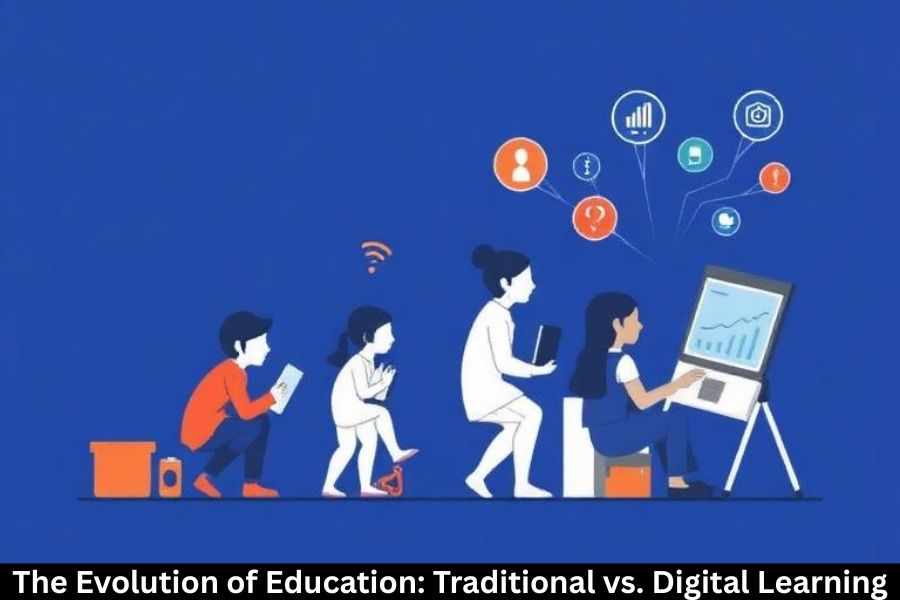
Education has undergone a major transformation over the last few decades. From chalkboards and textbooks to virtual classrooms and online platforms, the way people learn has completely changed. Today, the debate between traditional and digital learning is stronger than ever. As technology continues to evolve, understanding the strengths and drawbacks of both systems is crucial for students, parents, and educators.
How Learning Has Evolved Over the Years
Learning was once limited to physical classrooms, handwritten notes, and face-to-face interactions. However, the digital era opened new opportunities—remote learning, recorded lectures, mobile apps, and global learning communities.
Why This Comparison Matters Today
Choosing the right learning environment affects academic performance, engagement, and long-term skills. In a world where digital tools are spreading rapidly, comparing both models helps determine the best approach for different learners.
Understanding Traditional Learning
What Defines Traditional Education?
Traditional learning refers to the classic classroom model where students and teachers interact physically. This method has been used for centuries and remains the foundation of many education systems worldwide.
Key Features of Classroom-Based Learning
- Physical presence of teachers and students
- Scheduled class times
- Textbook-based curriculum
- Direct supervision and discipline
- Group learning activities
Strengths of Traditional Learning
Face-to-Face Interaction
Students benefit from immediate feedback, real-time discussions, and stronger interpersonal connections.
Structured Learning Environment
Classrooms provide a disciplined and controlled environment that helps students stay focused.
Social and Emotional Development
Group projects, peer interaction, and classroom participation contribute to social growth and emotional intelligence.
Limitations of Traditional Learning
Limited Flexibility
Students follow fixed schedules, leaving less room for personalized pacing.
Higher Costs
Travel, materials, infrastructure, and uniforms can make traditional schooling expensive.
Uniform Teaching Style
Teachers often follow a one-size-fits-all approach, which may not suit all learners.
Understanding Digital Learning
What Is Digital Learning?
Digital learning uses technology—computers, mobile devices, and the internet—to deliver education. It includes online courses, e-learning platforms, virtual classrooms, and multimedia content.
Key Features of Online Education
- Flexible schedules
- Access to global resources
- Self-paced learning
- Use of videos, quizzes, and interactive content
- Virtual communication tools
Strengths of Digital Learning
Flexibility and Convenience
Students can learn anytime, anywhere. This is ideal for working professionals, parents, or busy learners.
Personalized Learning Experiences
Algorithms can recommend lessons based on a student’s progress, helping them master topics at their own pace.
Global Accessibility
Students from rural or remote areas can access world-class content easily.
Limitations of Digital Learning
Lack of Social Interaction
Online learning can feel isolating without face-to-face communication.
Distractions and Self-Discipline Issues
Learning from home requires strong focus and time management.
Digital Divide
Not everyone has access to stable internet or devices.
Comparing Traditional and Digital Learning
Differences in Learning Environment
Traditional classrooms are structured and social, while digital platforms offer flexibility and independence.
Impact on Student Engagement
In-person activities often create lively engagement, whereas online platforms rely on multimedia tools to maintain interest.
Teaching Methods and Tools
- Traditional: textbooks, blackboards, physical activities
- Digital: videos, simulations, interactive apps
Performance and Learning Outcomes
Both systems can deliver excellent results, depending on the student’s learning style.
Cost and Accessibility Comparison
Digital learning often reduces costs related to transportation, materials, and infrastructure.
The Role of Technology in Modern Education
Rise of EdTech Tools
Modern classrooms use projectors, smart boards, e-books, and AI-powered platforms.
How AI and Virtual Platforms Are Transforming Learning
AI can personalize education, automate grading, and enhance virtual learning with real-time analytics.
Hybrid Learning: The Best of Both Worlds
What Is Hybrid Learning?
Hybrid learning blends traditional classroom lessons with digital tools, giving learners flexibility and structure.
Benefits of Combining Traditional and Digital Education
- Balanced interaction
- More personalized support
- Improved access to resources
- Enhanced engagement through multimedia
Which Learning Style Is the Future?
Predictions for the Next Decade
Digital learning will continue to grow, but traditional schooling will remain important for social development.
The Growing Need for Adaptive Learning Models
Future education will likely combine physical classrooms with advanced digital tools to meet diverse learning needs.
Conclusion
Education has transformed dramatically, shifting from chalkboards to digital screens. Both traditional and digital learning offer unique advantages and challenges. While traditional classrooms build social and emotional skills, digital learning provides unmatched flexibility and personalization. The future lies in hybrid education—where both methods work together to create a more inclusive, innovative, and effective learning experience.
FAQs
1. Which is better—traditional or digital learning?
Both have strengths. The best choice depends on a student’s learning style, needs, and goals.
2. Is digital learning as effective as classroom learning?
Yes, when done correctly. Digital learning can be highly effective due to interactive tools and flexible pacing.
3. Can students stay motivated in online learning?
With discipline, engaging platforms, and structured routines, motivation can stay high.
4. Will traditional classrooms disappear in the future?
Unlikely. Traditional schooling still plays a vital role in social and emotional development.
5. What is hybrid learning?
A model that blends in-person and online learning for a more flexible and balanced experience.