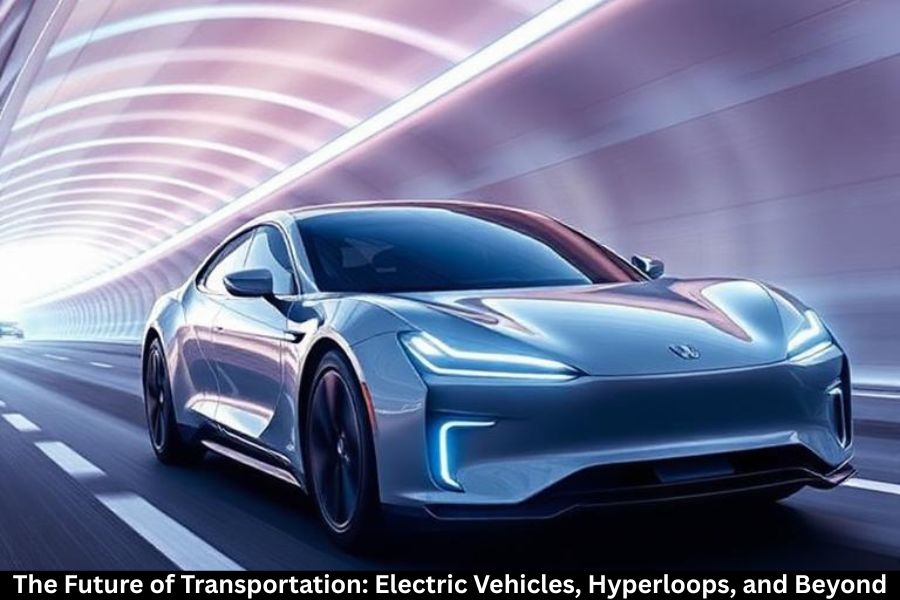
The world of transportation is undergoing a historic transformation driven by technology, sustainability needs, and a growing demand for faster, cleaner, and more efficient travel. As global populations rise and urbanization accelerates, innovative solutions such as electric vehicles, hyperloop systems, autonomous cars, and even flying taxis are shaping the way we move. The future of transportation promises not only greater convenience but also a significant reduction in environmental impact.
Electric Vehicles: Leading the Green Revolution
Electric vehicles (EVs) are at the forefront of the transportation revolution. With zero tailpipe emissions, improved battery technology, and expanding charging infrastructure, EVs are becoming more accessible and practical for everyday consumers.
Key Advantages of EVs:
- Environmental benefits: EVs reduce air pollution and greenhouse gas emissions.
- Lower operating costs: Electricity is cheaper than fuel, and EVs require less maintenance.
- Technological advancements: Modern EVs offer long ranges, fast-charging capabilities, and smart features like regenerative braking and AI-assisted driving.
Governments worldwide are encouraging EV adoption through incentives, tax benefits, and plans to phase out traditional gas-powered vehicles. As battery prices continue to fall, electric vehicles are expected to dominate the automotive market within the next decade.
Hyperloops: The Next Frontier of High-Speed Travel
Hyperloop technology, a concept popularized by Elon Musk, aims to revolutionize long-distance travel. It involves transporting passengers in pods through low-pressure tubes at extremely high speeds—up to 700 mph (1,100 km/h) or more.
Why Hyperloops Matter:
- Ultra-fast travel: Trips that currently take hours could be reduced to minutes.
- Energy-efficient: Uses sustainable energy sources like solar power.
- Reduced traffic congestion: Offers a viable alternative to congested highways and busy airports.
While still in the testing and development phase, several countries—including the US, India, and the UAE—are exploring hyperloop systems. If successful, hyperloops could reshape global connectivity.
Autonomous Vehicles: The Era of Self-Driving Cars
Self-driving cars are no longer the stuff of science fiction. Many vehicles already incorporate autonomous features like lane assist, adaptive cruise control, and automated parking. Full automation is the next step.
Benefits of Autonomous Vehicles:
- Improved safety: Reduces accidents caused by human error.
- Convenience: Offers effortless commuting.
- Efficient traffic flow: Smart navigation reduces congestion and travel time.
Although regulations and safety concerns remain, autonomous cars are projected to become mainstream in the coming decades.
Flying Taxis and Urban Air Mobility
Another exciting innovation is the development of electric vertical takeoff and landing (eVTOL) aircraft—commonly known as flying taxis. Companies like Joby, Volocopter, and Airbus are already testing these vehicles.
What Flying Taxis Could Offer:
- Quick urban transport: Ideal for bypassing traffic jams in crowded cities.
- Low noise levels: Thanks to electric propulsion.
- Environmentally cleaner: Zero emissions during flight.
Urban air mobility could become a major mode of transportation in large metropolitan cities.
High-Speed Rail and Sustainable Public Transport
Many countries are investing in high-speed rail systems as a clean, efficient alternative to air travel. Additionally, electric buses, smart metros, and eco-friendly public transportation networks are becoming essential to urban planning.
Sustainable Public Transport Trends:
- Electrification of buses and trains
- Solar-powered transit hubs
- Contactless payment systems
- Smart traffic management powered by AI
The Role of Technology and Connectivity
Future transportation relies heavily on 5G connectivity, Artificial Intelligence, and the Internet of Things (IoT). Smart vehicles will communicate with each other and with smart city infrastructure to ensure safety, efficiency, and convenience.
Conclusion
The future of transportation is filled with innovation, sustainability, and breakthroughs that will reshape how people and goods move around the world. From electric vehicles and hyperloops to flying taxis and smart public transit, the next generation of travel promises to be faster, cleaner, and more efficient. As technology continues to evolve, society will benefit from reduced environmental impact, shorter travel times, and a more connected global community.
FAQs
1. What is the future of transportation?
The future of transportation focuses on cleaner, faster, and more efficient ways of travel using advanced technologies such as electric vehicles, hyperloops, autonomous cars, flying taxis, and smart public transportation systems.
2. Why are electric vehicles becoming so popular?
Electric vehicles (EVs) are gaining popularity because they produce zero emissions, reduce fuel costs, require less maintenance, and benefit from government incentives. Improvements in battery technology also make EVs more practical for long-distance travel.
3. How do electric vehicles help the environment?
EVs reduce air pollution, decrease greenhouse gas emissions, and lower our dependence on fossil fuels. They are a key part of global efforts to combat climate change.
4. What is a hyperloop?
A hyperloop is a high-speed transportation system where pods travel through low-pressure tubes at speeds up to 700 mph (1,100 km/h). It aims to make long-distance travel much faster and more energy-efficient.
5. Are hyperloops available today?
Hyperloops are still in the testing and development stages. Several countries are conducting research and building test tracks, but commercial hyperloop routes are not yet operational.