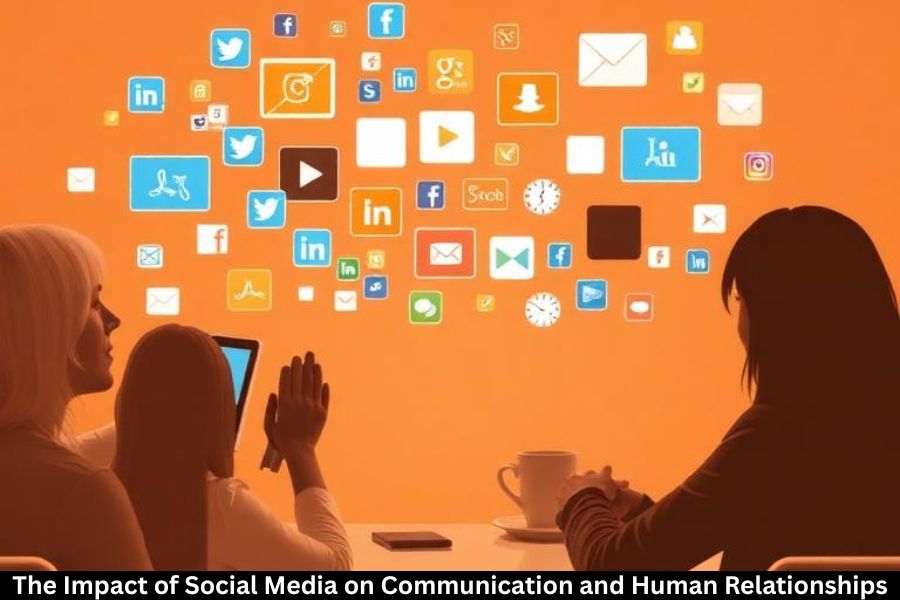
In the last two decades, social media has transformed the way people communicate, connect, and maintain relationships. Platforms like Facebook, Instagram, Twitter, TikTok, and WhatsApp have made it easier than ever to stay in touch, share experiences, and express opinions. However, while social media offers unprecedented opportunities for connection, it also presents challenges that can affect communication quality and the depth of human relationships.
Enhancing Communication
Social media has revolutionized communication by breaking down geographical barriers. People can instantly connect with friends, family, and colleagues anywhere in the world. Video calls, messaging apps, and interactive platforms allow real-time conversation, making long-distance relationships more manageable. Additionally, social media provides a space for self-expression, creativity, and sharing personal milestones, fostering social interaction and community engagement.
Moreover, social media can empower people to connect with like-minded individuals and communities. Online groups, forums, and social networks enable people to find support, share ideas, and collaborate in ways that were previously impossible. For individuals with social anxiety or mobility challenges, these platforms can be particularly valuable for maintaining connections and building confidence in communication.
Challenges to Human Relationships
Despite its benefits, social media also presents risks to meaningful human interaction. Online communication often lacks nonverbal cues such as facial expressions, tone, and body language, which can lead to misunderstandings and misinterpretations. Over-reliance on digital communication may reduce face-to-face interactions, weakening emotional bonds and interpersonal skills.
Social media can also foster superficial connections. The ease of adding friends or followers may create a sense of social accomplishment, but it does not guarantee meaningful relationships. The constant comparison to curated online lives can lead to envy, anxiety, and dissatisfaction, impacting real-world interactions. Studies have shown that excessive social media use is linked to decreased empathy, lower life satisfaction, and feelings of social isolation.
The Role of Social Media in Conflict and Miscommunication
Another important aspect is the potential for conflict and miscommunication on social media. Online interactions can quickly escalate into misunderstandings or arguments, often fueled by anonymity and the lack of immediate accountability. Viral misinformation, rumors, or heated debates can strain relationships and create divisions within social networks.
Balancing Social Media Use
To maintain healthy communication and relationships, it is essential to strike a balance between online and offline interaction. Mindful use of social media—such as setting limits on screen time, prioritizing face-to-face conversations, and curating online content—can help mitigate negative effects. Practicing empathy, active listening, and thoughtful engagement online can also strengthen digital interactions and support genuine relationships.
Conclusion
Social media is a powerful tool that has reshaped communication and human relationships. While it offers incredible opportunities for connection, self-expression, and community-building, it also poses challenges to emotional intimacy, face-to-face interaction, and mental well-being. By using social media mindfully and fostering meaningful interactions both online and offline, individuals can enjoy its benefits while preserving the quality and depth of their human relationships.
FAQ
Q1: How has social media changed communication?
A1: Social media has made communication faster and more convenient. People can now instantly connect with friends, family, and colleagues across the globe through messaging apps, social networks, and video calls. It allows for sharing personal milestones, opinions, and experiences in real time.
Q2: Can social media improve human relationships?
A2: Yes, it can. Social media helps people maintain long-distance relationships, join online communities, and find like-minded individuals for support or collaboration. For people with social anxiety or mobility challenges, social platforms provide a safe space for social interaction.
Q3: How does social media negatively affect communication?
A3: Online interactions often lack nonverbal cues like tone, facial expressions, and body language, which can lead to misunderstandings. Overuse of social media may reduce face-to-face interactions and weaken emotional bonds. Excessive comparison to curated online lives can also cause stress, anxiety, or envy.
Q4: Can social media create superficial connections?
A4: Yes. While it’s easy to add friends or followers, these online connections may not translate into meaningful relationships. The emphasis on likes, shares, and followers can encourage surface-level interaction rather than genuine emotional connection.
Q5: Does social media contribute to conflicts or misunderstandings?
A5: Absolutely. Online communication can escalate misunderstandings or arguments, often due to the lack of immediate accountability. Misinformation, rumors, and heated debates on social platforms can strain relationships and create social divisions.