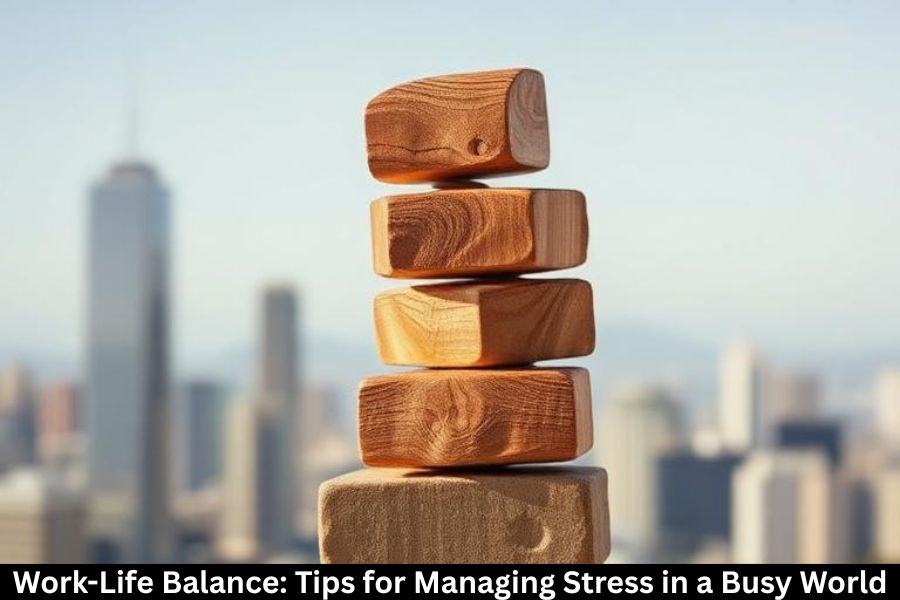
In today’s fast-paced world, maintaining a healthy work-life balance has become more important than ever. With long working hours, constant digital connectivity, and increasing responsibilities at home and work, many people find themselves overwhelmed and stressed. However, finding balance is not impossible. With the right strategies, anyone can create a more harmonious lifestyle that supports both productivity and personal well-being.
Why Work-Life Balance Matters
A good work-life balance helps prevent burnout, reduces stress, and improves overall mental and physical health. It also increases job satisfaction, strengthens relationships, and allows individuals to enjoy meaningful moments outside of work. When you find balance, you’re more focused, motivated, and capable of handling challenges in a healthier way.
Practical Tips for Managing Stress and Achieving Balance
Set Clear Boundaries
Define specific work hours and stick to them. Avoid checking emails or taking calls after your workday ends unless absolutely necessary. Creating boundaries helps your mind switch off from work and allows you to recharge.
Prioritize Your Tasks
Not everything needs to be done at once. Use a to-do list or planner to organize tasks by urgency and importance. Completing high-priority work first reduces stress and prevents overwhelming workloads.
Learn to Say No
You don’t have to take on every task or commitment. Saying no to extra responsibilities allows you to protect your time, energy, and mental health.
Take Breaks Throughout the Day
Short breaks boost focus and prevent burnout. Whether it’s a 5-minute stretch, a walk, or a quick breathing exercise, small pauses help you reset and stay productive.
Make Time for Yourself
Engage in activities you enjoy—reading, exercising, cooking, spending time with loved ones, or pursuing hobbies. Personal time is essential for happiness and mental wellness.
Practice Mindfulness and Relaxation
Deep breathing, meditation, or yoga can help calm your mind and reduce anxiety. Even a few minutes a day can make a big difference in managing stress.
Limit Digital Overload
Constant notifications and screen time contribute to stress. Set boundaries for technology use, especially before bedtime, to allow your brain to relax.
Maintain a Healthy Lifestyle
Regular exercise, adequate sleep, and a balanced diet help improve energy levels and reduce stress. A healthy body supports a healthy mind.
Seek Support When Needed
Talking to friends, family, or professionals can help you cope with stress. You don’t have to face everything alone.
Create a Balanced Routine
Plan your week to include both work responsibilities and personal time. A balanced routine helps you stay organized and prevents stress from building up.
Final Thoughts
Work-life balance isn’t about dividing your hours equally—it’s about finding the right mix that allows you to thrive both professionally and personally. By setting boundaries, prioritizing self-care, and managing your time wisely, you can reduce stress and lead a more fulfilling life. Remember, balance is a continuous journey, and small changes can make a big impact over time.
FAQs
1. What is work-life balance?
Work-life balance refers to maintaining a healthy separation between your professional responsibilities and personal life. It helps ensure that neither area overwhelms the other, allowing you to stay productive while also caring for your well-being.
2. Why is work-life balance important?
A proper balance reduces stress, prevents burnout, boosts productivity, improves mental health, and strengthens relationships. It allows you to enjoy life while achieving your career goals.
3. What causes poor work-life balance?
Common causes include long working hours, constant digital connectivity, high job demands, lack of boundaries, family responsibilities, and pressure to multitask.
4. How can I set boundaries between work and personal life?
Establish specific work hours, avoid checking emails after work, create a dedicated workspace, and communicate your availability clearly with coworkers or clients.
5. What are some simple ways to reduce stress?
Take regular breaks, practice deep breathing or meditation, go for short walks, exercise regularly, and spend time on activities you enjoy.