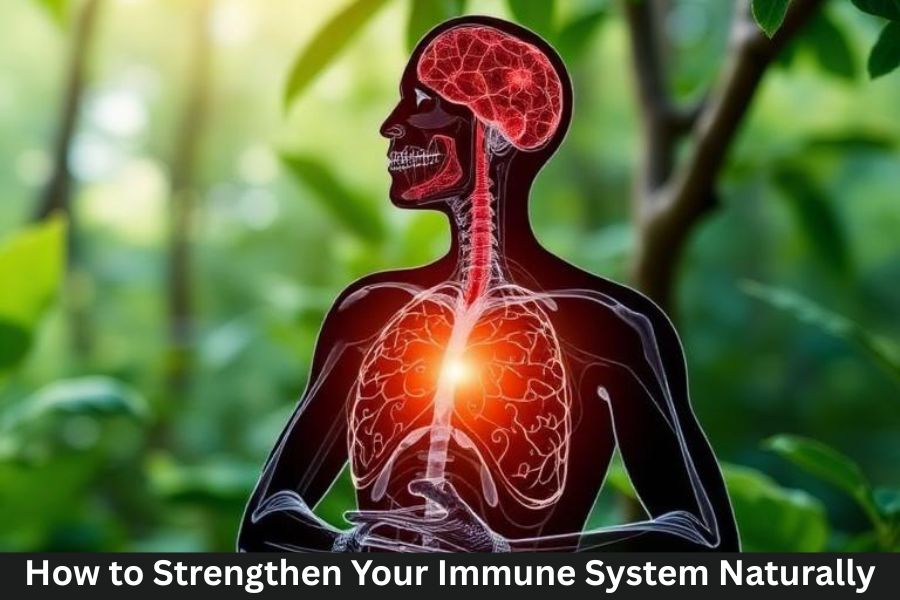
How to Strengthen Your Immune System Naturally
Your immune system is like a personal security team working 24/7 to protect your body. It fights off viruses, bacteria, and other invaders—often without you even noticing. When it’s strong, you feel energetic and resilient. When it’s weak, even small illnesses can knock you down.
Natural Immunity vs Quick Fixes
There’s no magic pill for instant immunity. Real immune strength is built slowly through daily habits. Think of it like saving money—you don’t get rich overnight, but consistent effort pays off.
Understanding the Immune System
What Is the Immune System?
The immune system is a complex network of cells, tissues, and organs that work together to defend the body. It recognizes harmful invaders and responds quickly to neutralize them.
How the Immune System Protects You
When a pathogen enters your body, immune cells identify it, attack it, and remember it. This “memory” helps your body respond faster the next time.
Innate vs Adaptive Immunity
Innate immunity is your first line of defense—fast but general. Adaptive immunity is slower but smarter, learning from past infections.
The Role of Nutrition in Immunity
Food as the First Line of Defense
What you eat fuels your immune system. Poor nutrition weakens it, while balanced meals strengthen it naturally.
Nutrients That Support Immune Health
Vitamins, minerals, antioxidants, and healthy fats all play key roles in immune response.
Consistency Over Supplements
Supplements can help, but they can’t replace real food. A balanced diet always wins.
Immune-Boosting Foods
Fruits and Vegetables
Colorful fruits and vegetables are packed with antioxidants that protect immune cells. The more color on your plate, the better.
Protein-Rich Foods
Protein helps build immune cells. Eggs, legumes, fish, and lean meats are excellent sources.
Herbs and Natural Spices
Garlic, ginger, turmeric, and cinnamon support immune defense naturally.
Hydration and Immune Function
Why Water Matters
Water helps transport nutrients and remove toxins. Even mild dehydration can weaken immunity.
Herbal Teas and Natural Fluids
Warm fluids soothe the body and support immune function.
Signs of Dehydration
Fatigue, dry skin, and headaches are common warning signs.
Sleep and Immune Strength
The Sleep–Immunity Connection
Sleep is when your body repairs itself. Without enough rest, immune response slows down.
How Much Sleep Is Enough?
Most adults need 7–9 hours of quality sleep per night.
Improving Sleep Quality Naturally
Limit screen time, stick to a routine, and create a calming bedtime ritual.
Exercise and Physical Activity
Moderate Exercise and Immunity
Regular movement boosts circulation, helping immune cells move efficiently.
The Danger of Overtraining
Too much intense exercise can weaken immunity.
Best Types of Immune-Friendly Workouts
Walking, yoga, cycling, and strength training in moderation work best.
Stress Management and Immunity
How Stress Weakens the Immune System
Chronic stress raises cortisol levels, suppressing immune response.
Mindfulness and Relaxation
Deep breathing, meditation, and nature walks calm the nervous system.
Daily Stress-Reduction Habits
Even 10 minutes a day can make a difference.
Gut Health and the Immune System
The Gut–Immunity Connection
About 70% of your immune system lives in your gut. A healthy gut equals a stronger immune response.
Probiotics and Prebiotics
Probiotics add good bacteria; prebiotics feed them.
Foods That Heal the Gut
Yogurt, fermented foods, oats, and fiber-rich vegetables support gut health.
Sunlight and Vitamin D
Why Vitamin D Is Essential
Vitamin D helps regulate immune responses and reduce inflammation.
Safe Sun Exposure
Short, regular exposure is enough for most people.
Lifestyle Sources of Vitamin D
Outdoor activity and diet support healthy levels.
Hygiene and Healthy Habits
Cleanliness Without Obsession
Good hygiene prevents infections—but balance matters.
Daily Habits That Protect Immunity
Handwashing, oral care, and clean surroundings help.
Avoiding Immune-Suppressing Behaviors
Poor sleep, junk food, and inactivity weaken defenses.
Avoiding Toxins and Bad Habits
Smoking and Immune Damage
Smoking damages immune cells and lung defenses.
Alcohol and Immune Suppression
Excess alcohol reduces immune efficiency.
Environmental Awareness
Reducing exposure to pollutants supports overall health.
Natural Supplements and Herbs
When Supplements Help
They can support deficiencies but aren’t cures.
Popular Natural Immune Supporters
Zinc, vitamin C, and herbal remedies are commonly used.
Whole Foods First Approach
Food-based nutrition remains the foundation.
Building Long-Term Immune Resilience
Small Habits, Big Results
Daily choices compound over time.
Lifestyle Consistency
Immunity is built through routine, not extremes.
Immunity as a Daily Practice
Treat immune health as part of everyday self-care.
Immune System Myths
Common Misconceptions
No food or pill can “boost” immunity overnight.
What Actually Works
Balanced lifestyle habits strengthen immune function.
Science vs Hype
Trust evidence, not marketing promises.
Conclusion
Strengthening your immune system naturally isn’t complicated—it’s consistent. Nourish your body, manage stress, sleep well, stay active, and listen to your body. Think of immunity as a long-term relationship, not a quick fix. When you care for it daily, it quietly takes care of you.
Frequently Asked Questions (FAQs)
1. Can I boost my immune system quickly?
No instant boost exists—strong immunity comes from consistent habits.
2. Does exercise help immunity?
Yes, moderate regular exercise supports immune function.
3. Is sleep really that important for immunity?
Absolutely. Sleep is essential for immune repair and response.
4. Do supplements replace a healthy diet?
No, they support but never replace whole foods.
5. How long does it take to strengthen immunity naturally?
Improvements happen gradually with consistent lifestyle changes.