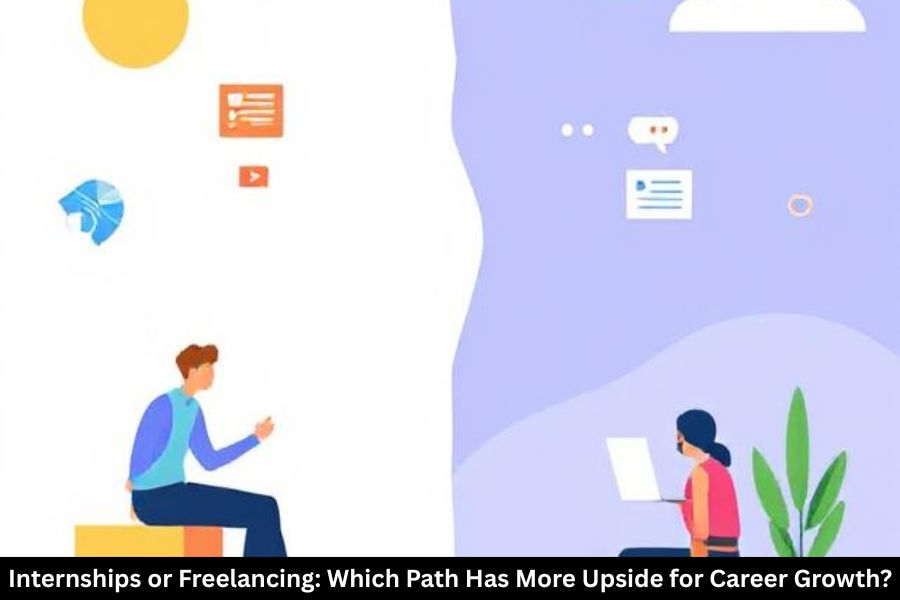
Internships or Freelancing: Which Path Has More Upside for Career Growth?
Choosing between internships and freelancing can feel like standing at a crossroads with no signboards. Both paths promise growth, experience, and opportunity—but they offer very different journeys. In today’s fast-changing job market, this decision matters more than ever. Employers value skills, experience, and adaptability, not just degrees. So the big question is: which option gives you more upside for long-term career growth?
Let’s break it down in simple terms, without the fluff, so you can make a choice that actually fits your goals.
Understanding Internships
What Is an Internship?
An internship is a structured, short-term work experience offered by companies to students or early-career professionals. It’s often seen as a bridge between academic life and the professional world. Think of it as training wheels—you’re learning, observing, and contributing under guidance.
Types of Internships
Paid Internships
Paid internships offer financial compensation along with experience. They’re competitive but highly valuable, as they combine learning with earning.
Unpaid Internships
These focus purely on experience and exposure. While controversial, they can still provide value in industries where paid roles are scarce.
Virtual and Remote Internships
Remote internships remove location barriers and are becoming increasingly popular in tech, marketing, and content roles.
Understanding Freelancing
What Is Freelancing?
Freelancing means working independently, offering services to clients on a project or contract basis. You’re essentially your own boss. No office politics, no fixed hours—just you, your skills, and your clients.
Common Freelance Career Options
Creative Freelancing
Writing, graphic design, video editing, and photography dominate this space.
Tech and Digital Freelancing
Web development, app development, SEO, and digital marketing are in high demand.
Consulting and Professional Services
Business consulting, coaching, and financial services are popular among experienced professionals.
Skill Development Comparison
Skills You Gain From Internships
Internships teach you how organizations work from the inside. You learn teamwork, communication, time management, and professional etiquette. Soft skills flourish here, especially if you’re new to the workplace.
Skills You Gain From Freelancing
Freelancing sharpens both technical and business skills. You learn negotiation, client management, self-discipline, and problem-solving. It’s like being thrown into the deep end—you either learn fast or sink.
Learning Curve and Practical Exposure
Structured Learning in Internships
Internships often come with mentorship, training sessions, and feedback loops. It’s a guided learning environment where mistakes are expected and corrected.
Real-World Learning Through Freelancing
Freelancing is raw and real. There’s no supervisor holding your hand. Every project teaches you something new, often the hard way—but that’s where rapid growth happens.
Income Potential and Financial Stability
Earnings During Internships
Internship pay is usually fixed and limited. While it offers stability, it rarely matches freelancing income in the long run.
Freelancing Income Opportunities
Freelancing has no income ceiling. Your earnings grow with your skills, reputation, and client base. One good client can pay more than multiple internships combined.
Resume Value and Credibility
How Internships Impact Your Resume
Internships from well-known companies add credibility, especially for fresh graduates. Recruiters instantly recognize structured work experience.
How Freelancing Builds Your Portfolio
Freelancing shines through portfolios, not resumes. Real projects, real results, real impact—this matters greatly in creative and tech fields.
Networking and Professional Connections
Networking Through Internships
Internships offer internal networking—managers, colleagues, mentors. These connections often lead to full-time roles.
Client-Based Networking in Freelancing
Freelancers build external networks. Happy clients bring referrals, testimonials, and repeat work. Your network grows globally.
Work Flexibility and Independence
Work Structure in Internships
Internships follow fixed schedules and company rules. Great for discipline, not so great for flexibility.
Freedom and Flexibility in Freelancing
Freelancing gives you control over time, location, and workload. You design your workday, not the other way around.
Risk Factors and Challenges
Challenges Faced by Interns
Limited pay, temporary roles, and dependency on company decisions are common downsides.
Challenges Faced by Freelancers
Income inconsistency, client acquisition, and lack of job security can be stressful, especially in the beginning.
Career Growth and Long-Term Upside
Growth Opportunities After Internships
Internships often convert into full-time roles. They’re ideal for traditional career paths in corporate environments.
Scaling a Freelancing Career
Freelancing can scale into agencies, startups, or consulting firms. The upside is massive if you’re consistent and strategic.
Which Option Is Better for Students?
Early Career and Academic Alignment
For students, internships offer structure, mentorship, and academic alignment. They’re perfect for understanding workplace basics.
Which Option Is Better for Professionals?
Mid-Career Switches and Growth
Freelancing suits professionals seeking flexibility, higher income, or career pivots. Experience gives freelancers a strong edge.
Can You Do Both?
Combining Internships and Freelancing Strategically
Absolutely. Many people intern during the day and freelance part-time. This hybrid approach offers the best of both worlds.
Making the Right Choice for Your Career
Factors to Consider Before Deciding
Ask yourself:
- Do I value stability or flexibility?
- Am I learning or earning right now?
- What skills does my target industry value more?
Your answers will guide you.
Conclusion
Internships and freelancing aren’t rivals—they’re tools. Internships build foundations, while freelancing accelerates growth. If you’re early in your career, internships provide clarity and direction. If you’re confident in your skills, freelancing unlocks freedom and financial upside. The smartest move? Choose what aligns with your current stage, and don’t be afraid to switch paths when you outgrow one.
FAQs
1. Is freelancing better than internships for career growth?
It depends on your experience level and career goals. Both have unique advantages.
2. Can internships lead to freelancing opportunities?
Yes, internships can help you build skills and networks that later support freelancing.
3. Do employers value freelancing experience?
Many do, especially when supported by a strong portfolio.
4. Is freelancing risky for beginners?
It can be, but starting part-time reduces risk significantly.
5. Which path offers faster growth?
Freelancing often offers faster growth, while internships offer structured progression.