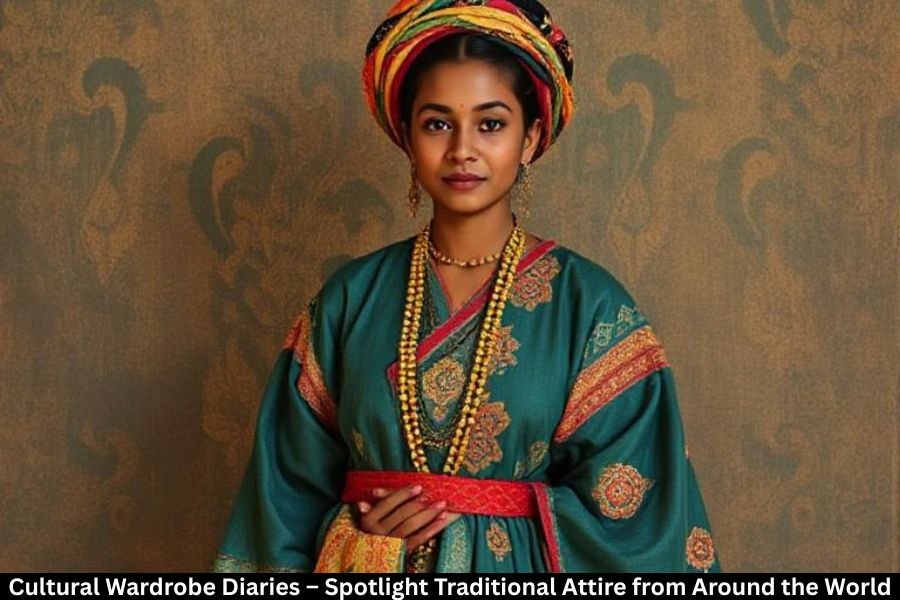
Traditional clothing is more than fabric stitched together—it’s history you can wear. It carries stories of ancestors, reflects geography, and whispers values passed down through generations. In a world dominated by fast fashion and global trends, cultural wardrobes act like time capsules, reminding us who we are and where we come from.
Why Traditional Clothing Still Matters
Ever noticed how certain outfits instantly signal identity? A saree, a kimono, or a kente cloth doesn’t just look beautiful—it speaks. Traditional attire preserves cultural memory, strengthens community bonds, and keeps heritage alive in a modern world that often moves too fast to remember its roots.
Fashion as a Cultural Language
Think of clothing as a silent language. Colors, patterns, and silhouettes communicate status, celebrations, mourning, or spirituality. You may not understand the words, but the message still lands.
Understanding the Roots of Traditional Attire
History Woven into Fabric
Traditional clothing evolves over centuries. Wars, trade routes, colonization, and rituals all leave their fingerprints on garments. Each stitch is a historical footnote, each motif a chapter.
Climate, Geography, and Clothing
People dress for survival first, style second. Desert cultures favor loose, breathable fabrics. Mountain communities lean toward layered warmth.
Natural Resources and Textile Choices
Cotton, silk, wool, flax—what grows locally often defines what people wear. Nature designs the wardrobe before fashion ever gets involved.
Traditional Attire of Asia
Asia is a treasure chest of traditional fashion, bursting with color, craftsmanship, and symbolism.
The Saree – India’s Timeless Elegance
Six yards of fabric. Infinite styles. The saree is both everyday wear and ceremonial masterpiece. From cotton handlooms to silk wedding drapes, it adapts like water—flowing into every aspect of Indian life.
Kimono – Japan’s Living Art
The kimono isn’t just clothing; it’s discipline, art, and ritual. Every fold matters. Every pattern tells a story—seasons, age, marital status—all quietly communicated.
Hanbok – Korea’s Colorful Heritage
With its flowing lines and vibrant hues, the hanbok celebrates balance and harmony. Traditionally worn during festivals, it’s a symbol of joy and respect.
Symbolism Behind Colors and Patterns
Red for good fortune. White for purity. Gold for royalty. In Asia, color isn’t decoration—it’s intention.
Traditional Attire of the Middle East
Abaya and Thobe – Modesty and Identity
These garments prioritize comfort and cultural values. Often misunderstood, they are deeply personal expressions of faith, tradition, and regional style.
Kaftan – Royal Robes of History
Once worn by sultans and queens, the kaftan flows with elegance. Today, it bridges tradition and luxury fashion.
Cultural Significance of Headwear
From turbans to keffiyehs, headwear often symbolizes honor, protection, and belonging.
Traditional Attire of Africa
Africa’s fashion landscape is bold, expressive, and deeply symbolic.
Dashiki – Bold Patterns, Bold Identity
The dashiki speaks loudly—with color, shape, and confidence. It’s a garment of pride and resistance.
Kente Cloth – Ghana’s Royal Fabric
Woven with meaning, each kente pattern tells a story of leadership, ethics, or historical events.
Meaning Behind African Prints
Nothing is random. Every symbol has a message—like a wearable proverb.
Traditional Attire of Europe
Dirndl and Lederhosen – Bavarian Traditions
Once workwear, now festival icons. These outfits celebrate regional pride and community spirit.
Flamenco Dress – Spain’s Rhythmic Fashion
Ruffles, polka dots, and movement. This dress dances even when the wearer stands still.
Folk Costumes and Regional Pride
Europe’s folk attire varies village by village—proof that culture thrives in details.
Traditional Attire of the Americas
Huipil – Indigenous Mexican Heritage
Handwoven and deeply personal, huipils often tell the wearer’s life story through patterns.
Native American Regalia
Feathers, beads, and leather aren’t fashion choices—they’re sacred symbols tied to ceremony and honor.
Ceremonial vs Everyday Wear
Some garments are meant to be seen. Others are meant to be earned.
Traditional Attire of Oceania
Maori Cloaks – New Zealand’s Sacred Garments
Feathered cloaks symbolize prestige, ancestry, and spiritual connection.
Polynesian Lava-Lava and Grass Skirts
Simple yet meaningful, these garments connect island life to land and sea.
Spiritual Meanings in Oceanic Dress
Clothing here often connects the physical world with the spiritual one.
The Role of Traditional Attire in Modern Fashion
Fusion Fashion Trends
Designers blend heritage with modern silhouettes, creating styles that honor the past while embracing the future.
Designers Reviving Cultural Wear
From runways to red carpets, traditional attire is finally getting the spotlight it deserves.
Cultural Appropriation vs Cultural Appreciation
Understanding the Difference
Appreciation honors context and origin. Appropriation strips meaning for aesthetics.
Wearing with Respect
Learn the story before wearing the cloth. Respect makes all the difference.
Preserving Traditional Clothing in a Globalized World
Artisans and Handloom Communities
Behind every handmade garment is a skilled artisan keeping tradition alive.
Sustainability and Slow Fashion
Traditional clothing often aligns with eco-friendly practices long before sustainability was trendy.
Why Cultural Wardrobes Matter Today
Identity, Pride, and Storytelling
In a world of sameness, traditional attire reminds us that diversity is our greatest strength.
Conclusion
Cultural wardrobes are living museums you can wear. They tell stories of survival, celebration, faith, and identity. As trends come and go, traditional attire stands firm—rooted, resilient, and relevant. By respecting and preserving these garments, we honor not just fabric, but humanity itself.
Frequently Asked Questions (FAQs)
1. Why is traditional attire important in modern society?
It preserves cultural identity and connects generations through shared heritage.
2. Can traditional clothing be worn daily?
Yes, many cultures adapt traditional attire for everyday use.
3. Is it okay to wear another culture’s traditional clothing?
Yes—when done with respect, understanding, and appreciation.
4. How does traditional attire support sustainability?
It often uses natural materials and slow, ethical production methods.
5. Are traditional clothes still evolving?
Absolutely. Culture evolves, and so does the clothing that represents it.