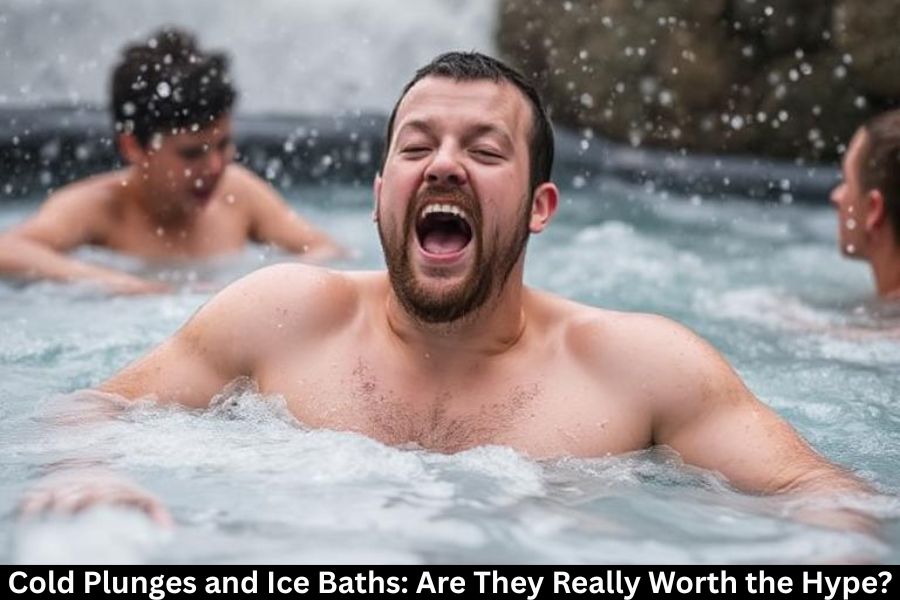
Cold Plunges and Ice Baths: Are They Really Worth the Hype?
If you’ve scrolled through social media lately, chances are you’ve seen someone voluntarily dunking themselves into a tub filled with ice. Celebrities, athletes, wellness influencers, and even your neighbor who just discovered “biohacking” are all swearing by cold plunges.
But let’s be honest. Sitting in freezing water doesn’t exactly sound like fun. So why are so many people doing it? And more importantly, is it actually worth it?
What Are Cold Plunges and Ice Baths?
Cold plunges and ice baths involve immersing your body in cold water, typically between 10–15°C (50–59°F), for a short period. Some people go colder. Some add literal ice. The idea is controlled exposure to cold for physical and mental benefits.
Think of it as pressing the reset button on your body. Uncomfortable? Yes. Potentially beneficial? Maybe.
Why Everyone Is Talking About Them
From elite athletes to everyday fitness enthusiasts, cold exposure has gone mainstream. Part of that is science. Part of it is trend culture. And part of it is the bragging rights that come with surviving something uncomfortable.
A Brief History of Cold Therapy
Ancient Roots of Cold Water Healing
Cold water therapy isn’t new. Ancient Greeks, Romans, and even Nordic cultures used cold water for healing and resilience. Cold baths were common in Roman bathhouses, often paired with hot rooms.
Cold Therapy in Modern Sports Science
Fast forward to today, and ice baths are a staple in professional sports. Athletes use them to recover faster and manage soreness during intense training cycles.
The Science Behind Cold Plunges
What Happens to Your Body in Cold Water
The moment you enter cold water, your body panics a little. Your heart rate spikes, breathing becomes rapid, and blood vessels constrict. It’s a shock, but a controlled one.
Nervous System and Hormonal Response
Cold exposure activates your sympathetic nervous system. This leads to a release of adrenaline and noradrenaline, putting your body in an alert, energized state.
Vasoconstriction and Vasodilation Explained
Cold causes blood vessels to constrict. Once you warm up again, they dilate. This “pumping” effect may help flush metabolic waste from muscles.
Claimed Benefits of Cold Plunges
Muscle Recovery and Reduced Soreness
This is the most common reason people use ice baths. Cold can reduce perceived soreness and temporarily numb pain.
Inflammation and Pain Management
Cold exposure may help manage inflammation short-term, which is useful after intense workouts.
Faster Recovery for Athletes
For athletes training multiple times a day, cold plunges can help them feel ready sooner, even if the long-term recovery benefits are still debated.
Mental Health and Cold Exposure
Stress Reduction and Mood Boosting
Cold plunges are like controlled chaos. You’re uncomfortable, but safe. That contrast can leave you feeling calm and accomplished afterward.
Cold Plunges and Mental Toughness
There’s something powerful about doing hard things on purpose. Many people report increased discipline and resilience.
Dopamine and Endorphin Release
Cold exposure can trigger a surge in dopamine and endorphins, which may explain the post-plunge euphoria.
Cold Plunges and Immune System Health
Can Ice Baths Improve Immunity?
Some studies suggest cold exposure may improve immune markers, but evidence is still limited.
What the Research Really Says
Cold plunges won’t make you immune to illness, but they may support overall stress resilience, which indirectly helps immunity.
Weight Loss and Metabolism Claims
Brown Fat Activation
Cold exposure may activate brown fat, a type of fat that burns calories to generate heat.
Calories Burned in Cold Water
Yes, your body burns more calories to stay warm, but it’s not a magic weight-loss solution.
Cold Plunges for Athletes vs Everyday People
Benefits for High-Performance Athletes
Athletes use cold plunges strategically to manage workload and soreness during competition.
Is It Useful for Non-Athletes?
Absolutely, but expectations should be realistic. You’re gaining resilience and recovery, not superpowers.
Potential Risks and Downsides
Shock Response and Breathing Issues
Cold shock can cause rapid breathing, which can be dangerous if uncontrolled.
Heart and Blood Pressure Concerns
Cold exposure increases cardiovascular stress. People with heart conditions should be cautious.
Who Should Avoid Ice Baths
Those with heart disease, circulation issues, or certain medical conditions should consult a doctor first.
Cold Plunges vs Other Recovery Methods
Ice Baths vs Cryotherapy
Cryotherapy uses extreme cold air instead of water. It’s faster but often more expensive.
Cold Exposure vs Sauna Therapy
Saunas relax the body, while cold plunges stimulate it. Both have unique benefits.
Contrast Therapy Explained
Alternating hot and cold may provide the best of both worlds.
How to Do Cold Plunges Safely
Ideal Temperature and Duration
Start with cool, not freezing. One to three minutes is plenty for beginners.
Beginner Tips for Cold Exposure
Control your breathing. Relax your shoulders. Focus on staying calm.
Frequency and Recovery Balance
Two to four sessions per week is enough for most people.
The Role of Social Media and Wellness Trends
Hype vs Reality
Cold plunges are helpful, but they’re not a cure-all. Social media often exaggerates benefits.
Influencers, Biohackers, and Ice Baths
Just because it looks cool online doesn’t mean it’s necessary for everyone.
What Experts Say About Cold Plunges
Sports Scientists’ Perspectives
Cold exposure has situational benefits, especially for recovery between intense sessions.
Medical Opinions and Cautions
Doctors emphasize moderation and individual health considerations.
Are Cold Plunges Worth the Investment?
Cost of Ice Bath Setups
From DIY tubs to luxury cold plunge systems, prices vary widely.
DIY vs Professional Options
A cold shower or ice-filled tub can be just as effective as expensive setups.
Final Verdict
Are Cold Plunges and Ice Baths Really Worth the Hype?
Yes, but with context. Cold plunges offer real benefits for recovery, mental resilience, and stress management. They’re not magic, and they’re not for everyone. If you enjoy them and use them safely, they can be a powerful tool. If you hate them, you’re not missing out on the secret to life.
Conclusion
Cold plunges and ice baths sit at the intersection of science, tradition, and trend culture. They’re uncomfortable by design, but that discomfort can spark growth, resilience, and recovery. The key is understanding why you’re doing it and listening to your body. When used wisely, cold exposure can be a refreshing addition to a healthy lifestyle, not a frozen obsession.
FAQs
1. How long should I stay in a cold plunge?
Beginners should start with 1–2 minutes and gradually increase.
2. Are cold plunges safe every day?
For most people, a few times per week is enough.
3. Do ice baths help with muscle growth?
They may reduce soreness but could slightly blunt muscle growth if overused.
4. Is cold shower as effective as an ice bath?
Cold showers provide similar benefits, just with less intensity.
5. Can cold plunges improve mental health?
Many people report mood and stress benefits, especially when practiced consistently.