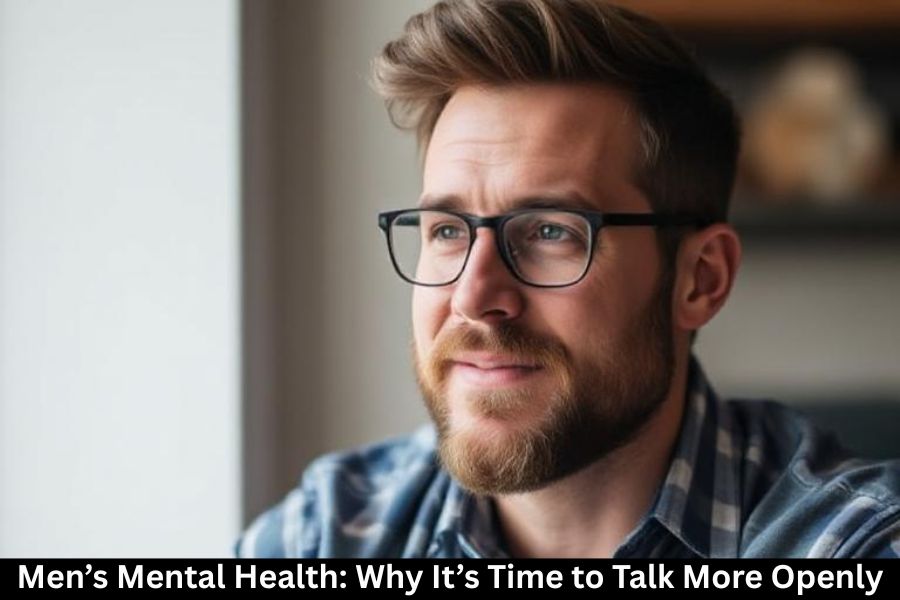
Men’s Mental Health: Why It’s Time to Talk More Openly
Men’s mental health has been whispered about for far too long. While awareness has grown around mental health in general, many men still suffer in silence. The truth is simple but uncomfortable: too many men feel like they’re not allowed to struggle.
Why This Conversation Matters Now
Rates of stress, burnout, depression, and suicide among men remain alarmingly high. At the same time, social expectations still tell men to “man up” and push through pain. That combination is dangerous.
The Silent Struggle Many Men Face
Many men look fine on the outside. They go to work, provide for their families, crack jokes, and keep moving. Inside, though, they may be carrying anxiety, loneliness, or emotional exhaustion that no one sees.
Understanding Mental Health in Men
What Mental Health Really Means
Mental health isn’t about weakness or toughness. It’s about emotional balance, resilience, and the ability to cope with life’s ups and downs. Just like physical health, it needs regular care.
Mental Health vs Mental Illness
Mental health is a spectrum. You don’t need a diagnosis to struggle. Stress, grief, and emotional overload are valid experiences that deserve attention.
Why Men Struggle to Speak Up
Cultural Expectations and Masculinity
From a young age, many boys are taught that emotions are something to control or hide. Crying is labeled as weakness. Vulnerability is discouraged.
Fear of Judgment and Stigma
Men often fear being seen as unreliable, weak, or incapable if they admit they’re struggling. That fear keeps mouths shut and pain bottled up.
The “Be Strong” Mentality
Strength has been narrowly defined. Emotional silence gets mistaken for resilience, even though it often leads to deeper harm.
Common Mental Health Issues Affecting Men
Depression in Men
Depression in men doesn’t always look like sadness. It often shows up as irritability, withdrawal, fatigue, or loss of interest.
Anxiety and Chronic Stress
Pressure to succeed, provide, and perform can leave men in a constant state of stress. Over time, that stress erodes mental health.
Anger as a Mask for Emotional Pain
Anger is often more socially acceptable for men than sadness. Unfortunately, it’s frequently a cover for deeper emotional pain.
The Hidden Face of Male Depression
Symptoms That Often Go Unnoticed
Men may experience headaches, digestive issues, sleep problems, or reckless behavior instead of openly expressing emotional distress.
Why Men’s Depression Looks Different
Men are less likely to talk about how they feel, so symptoms manifest physically or behaviorally rather than emotionally.
Men and Suicide Statistics
Understanding the Numbers
Men account for a significantly higher percentage of suicide deaths worldwide. This isn’t because they struggle more, but because they struggle alone.
Why Early Conversations Save Lives
Talking openly creates intervention points. Silence removes them.
The Role of Society and Media
Unrealistic Expectations of Men
Men are often portrayed as emotionally invincible providers. These stereotypes leave no room for vulnerability.
How Media Shapes Emotional Suppression
Movies, ads, and social narratives often reward emotional detachment in men while punishing openness.
How Mental Health Impacts Men’s Physical Health
Stress, Heart Health, and Sleep
Chronic stress increases the risk of heart disease, high blood pressure, and insomnia.
Substance Use as a Coping Mechanism
Alcohol, drugs, or overworking often become coping tools when emotional expression feels unsafe.
Relationships and Emotional Isolation
Why Men Often Feel Alone
Men may have fewer emotionally intimate friendships. Many rely solely on romantic partners for emotional support.
Emotional Intimacy Challenges
When men aren’t taught how to express emotions, relationships suffer on both sides.
The Workplace and Men’s Mental Health
Pressure to Perform and Provide
Work is often tied closely to identity for men. Job stress can feel like a threat to self-worth.
Burnout and Identity Tied to Work
When work becomes everything, burnout becomes inevitable.
The Power of Talking Openly
Why Talking Helps
Talking reduces emotional pressure. It creates connection and perspective.
Vulnerability as Strength
Being open takes courage. Real strength is facing what hurts, not pretending it doesn’t exist.
How Men Can Start the Conversation
Talking to Friends and Family
Start small. You don’t need the perfect words. Honesty matters more than eloquence.
Seeking Professional Help
Therapists aren’t there to judge. They’re trained listeners who provide tools, not labels.
How to Support Men’s Mental Health
What Loved Ones Can Do
Listen without fixing. Validate feelings instead of minimizing them.
Creating Safe Spaces for Men
Encourage openness without pressure. Let men speak at their own pace.
Breaking the Stigma
Changing the Narrative
Mental health conversations should include men openly and regularly.
Teaching Emotional Awareness Early
Boys who learn emotional language grow into healthier men.
The Future of Men’s Mental Health
Positive Shifts and Growing Awareness
More men are speaking up. Social media, podcasts, and advocacy are changing the tone.
What Still Needs to Change
Access, affordability, and cultural norms still need work.
Final Verdict
Why It’s Time to Talk More Openly
Silence has cost too much. Conversation can save lives.
Conclusion
Men’s mental health deserves the same attention, care, and openness as physical health. Talking openly doesn’t make men weaker, it makes them human. The more we normalize these conversations, the safer and healthier our communities become. It’s time to listen, speak up, and change the story together.
FAQs
1. Why do men avoid talking about mental health?
Cultural stigma and fear of judgment play major roles.
2. How can I support a man who is struggling?
Listen without judgment and encourage professional help if needed.
3. Is anger a sign of mental health issues in men?
It can be. Anger often masks deeper emotional pain.
4. Are men less likely to seek therapy?
Yes, but awareness and acceptance are improving.
5. Can talking really make a difference?
Absolutely. Talking reduces isolation and can prevent crises.