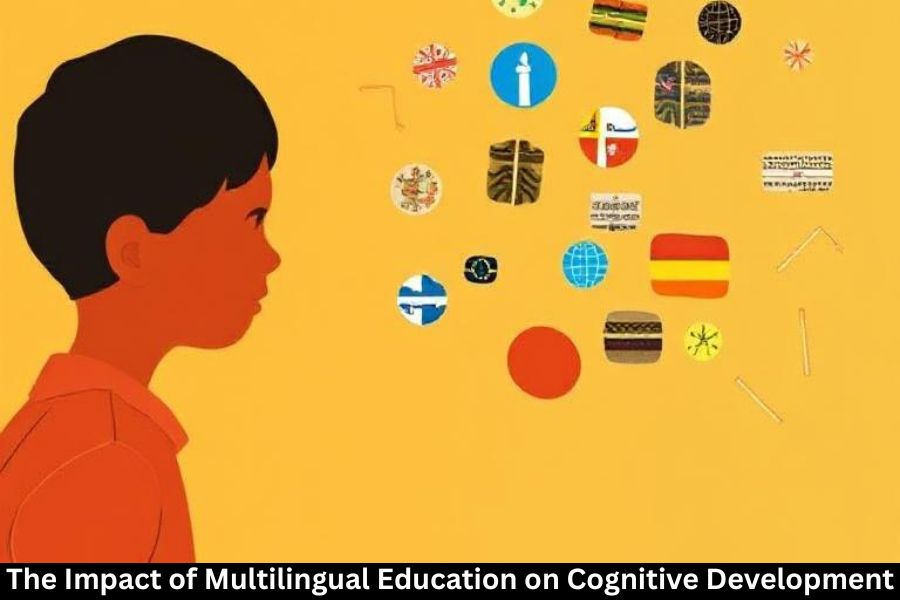
The Impact of Multilingual Education on Cognitive Development
In a world where borders blur and cultures blend, speaking more than one language is no longer a luxury—it’s a powerful skill. But multilingual education isn’t just about communication. It quietly shapes the brain, sharpening thinking skills in ways that last a lifetime.
What Is Multilingual Education?
Multilingual education involves learning and using two or more languages as part of formal or informal education. This can happen at home, in schools, or through immersion programs. The key isn’t perfection—it’s consistent exposure and meaningful use.
Why Multilingualism Matters in Today’s World
From global careers to cross-cultural friendships, multilingualism opens doors. But beyond opportunities, it rewires how we think, reason, and solve problems. It’s like upgrading the brain’s operating system.
Understanding Cognitive Development
What Is Cognitive Development?
Cognitive development refers to how we learn, think, remember, and process information. It includes skills like attention, memory, reasoning, and decision-making.
Key Stages of Cognitive Growth
Cognitive development begins in infancy and continues throughout life. Each stage builds on the previous one, and language plays a central role in shaping how the mind evolves.
The Brain and Language Learning
How the Brain Processes Language
Language engages multiple brain regions at once. When you use more than one language, the brain constantly selects, suppresses, and switches between systems—like a mental juggling act.
Brain Plasticity and Language Exposure
The brain is incredibly adaptable.
Early Childhood Brain Flexibility
Young brains absorb languages like sponges. Early exposure strengthens neural pathways and builds a strong foundation for learning.
Lifelong Learning and Adaptability
Even adult brains benefit. Learning new languages keeps neural networks active and flexible.
How Multilingual Education Shapes the Brain
Enhanced Neural Connectivity
Multilingual brains develop stronger connections between regions responsible for attention and control. Think of it as building mental highways instead of side roads.
Executive Function Improvement
Executive functions—planning, focusing, multitasking—are significantly enhanced in multilingual learners.
Attention Control and Task Switching
Switching between languages trains the brain to switch tasks more efficiently, boosting mental agility.
Cognitive Benefits of Multilingual Education
Improved Memory
Multilingual individuals often outperform monolinguals in memory tasks, especially working memory.
Stronger Problem-Solving Skills
Handling multiple languages strengthens abstract thinking and flexible problem-solving.
Increased Creativity and Divergent Thinking
Different languages offer different ways to express ideas, encouraging creative thinking and innovation.
Multilingualism and Academic Performance
Language Skills and Literacy
Learning multiple languages improves overall literacy, including reading comprehension and vocabulary.
Mathematics and Logical Reasoning
The cognitive flexibility gained from multilingual education often transfers to math and logic skills.
Long-Term Academic Outcomes
Students in multilingual programs often show stronger academic performance over time.
Emotional and Social Cognitive Benefits
Empathy and Perspective-Taking
Understanding multiple languages often means understanding multiple cultures, enhancing empathy.
Cultural Awareness
Multilingual education fosters openness and curiosity about the world.
Emotional Regulation
Language switching strengthens emotional control and self-awareness.
Multilingual Education in Early Childhood
Benefits of Early Language Exposure
Early multilingual education builds cognitive resilience and adaptability.
Addressing the “Language Confusion” Myth
Children don’t get confused—they get smarter. Mixing languages is a normal part of learning.
Role of Parents and Educators
Supportive environments and positive reinforcement make all the difference.
Multilingual Education for Adolescents
Identity and Cognitive Growth
Adolescents develop stronger self-awareness through multilingual experiences.
Academic and Career Advantages
Multilingual teens gain competitive advantages in higher education and careers.
Critical Thinking Development
Language learning sharpens analysis and evaluation skills.
Multilingual Education in Adulthood
Cognitive Flexibility in Adults
Adults who learn languages improve mental adaptability and focus.
Delaying Cognitive Decline
Studies suggest multilingualism may delay age-related cognitive decline.
Professional and Social Benefits
Career mobility and social connections expand with language skills.
Challenges of Multilingual Education
Cognitive Load and Fatigue
Learning multiple languages can be demanding, especially without support.
Educational Resource Gaps
Not all schools have equal access to multilingual programs.
Social and Environmental Barriers
Lack of exposure outside classrooms can limit progress.
Effective Multilingual Education Strategies
Immersion-Based Learning
Immersion accelerates language acquisition and cognitive engagement.
Balanced Language Exposure
Consistent use of each language prevents dominance imbalance.
Supportive Learning Environments
Encouragement and cultural respect enhance learning outcomes.
Technology and Multilingual Learning
Digital Tools for Language Learning
Apps and platforms make multilingual education more accessible.
Online Multilingual Classrooms
Virtual classrooms connect learners across cultures.
Personalized Learning Through AI
Adaptive tools tailor language learning to individual needs.
Myths and Misconceptions About Multilingual Education
“It Slows Down Cognitive Development”
Research consistently shows the opposite.
“Only Gifted Children Benefit”
All learners benefit, regardless of ability.
“Multilingual Education Is Too Complex”
With the right approach, it’s manageable and rewarding.
Long-Term Cognitive Impact of Multilingual Education
Lifelong Learning Advantages
Multilingual individuals remain curious and adaptable learners.
Cognitive Resilience
They recover faster from mental fatigue and stress.
Adaptability in a Globalized World
Multilingualism builds mental flexibility needed in a changing world.
Conclusion
Multilingual education does far more than teach languages—it shapes the mind. From stronger memory and sharper focus to deeper empathy and creativity, its cognitive benefits ripple across a lifetime. In a fast-changing world, multilingual education equips the brain not just to keep up, but to thrive. Whether started early or later in life, the cognitive rewards make the journey worthwhile.
Frequently Asked Questions (FAQs)
1. Does multilingual education benefit all age groups?
Yes, children, teens, and adults all experience cognitive benefits.
2. Can learning multiple languages cause delays in speech?
No, temporary mixing is normal and not a delay.
3. How many languages are too many?
There’s no fixed limit—quality exposure matters more than quantity.
4. Is multilingual education suitable for children with learning differences?
Yes, with tailored support and inclusive strategies.
5. Does multilingualism really delay cognitive decline?
Research suggests it can help maintain cognitive health longer.