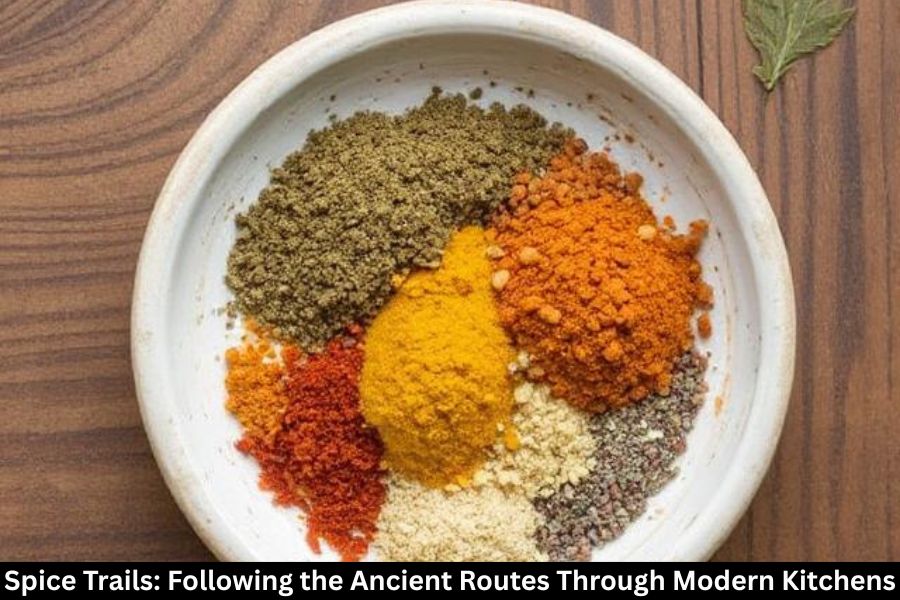
Spice Trails: Following the Ancient Routes Through Modern Kitchens
Before spices lived quietly in kitchen cabinets, they fueled empires, sparked wars, and launched daring sea voyages. A pinch of pepper once carried the weight of gold. Today, we sprinkle cumin or cinnamon without a second thought—but each spice has a passport stamped with centuries of travel. The spice trails are more than trade routes; they’re stories of humanity, migration, and shared flavor.
Why Spices Changed the Course of History
Spices preserved food, healed the sick, and made bland meals unforgettable. In a world without refrigeration, spices meant survival and status. Whoever controlled them controlled power.
From Trade Routes to Dinner Plates
What once traveled on camel backs and wooden ships now sits on supermarket shelves. Yet the journey matters—it shapes how cuisines taste today.
What Were the Ancient Spice Routes?
Spice routes were the highways of the ancient world.
Defining the Spice Trails
These routes connected Asia, Africa, the Middle East, and Europe, allowing spices to move from their origins to distant lands.
Land Routes vs. Sea Routes
Overland caravans crossed deserts and mountains, while maritime routes navigated dangerous seas.
The Silk Road and the Spice Trade
Though famous for silk, the Silk Road also carried spices, ideas, and culture across continents.
The Origins of Spices That Shaped Civilizations
Spices didn’t come from everywhere—they came from very specific places.
India – The Heart of the Spice World
India gave the world pepper, turmeric, cardamom, and countless masalas. Its climate and biodiversity made it a spice powerhouse.
Southeast Asia and the Spice Islands
Cloves and nutmeg grew only in the Moluccas, making them some of the most sought-after spices in history.
Arabia and the Gateway to the West
Arab traders controlled spice flow into Europe, acting as middlemen and cultural translators.
Spices as Currency, Medicine, and Power
Spices weren’t just food—they were tools of influence.
When Spices Were Worth More Than Gold
A sack of pepper could buy land or pay a ransom. Wealth smelled spicy.
Healing Properties and Ancient Medicine
Ayurveda, Chinese medicine, and Arabic healing systems relied heavily on spices.
Political Power Fueled by Flavor
Empires rose by controlling spice supply chains long before the term existed.
The Role of the Spice Trade in Global Exploration
Spices pushed humanity beyond known maps.
European Obsession With Eastern Spices
Europe craved flavor and preservation, driving explorers to find direct routes to spice lands.
Voyages That Changed the World
Columbus, Vasco da Gama, and Magellan were chasing spices, not fame.
Colonization and the Dark Side of the Spice Trade
The pursuit of spices also led to exploitation, conflict, and colonization—an uncomfortable but important truth.
How Spices Traveled Across Continents
Movement shaped flavor.
Caravans, Ships, and Port Cities
Cities like Venice and Calicut became spice crossroads.
Cultural Exchange Along the Routes
Food, language, and religion traveled alongside spices.
Fusion of Flavors Across Borders
That’s how curry reached Britain and chili peppers transformed Asian cooking.
Spices That Defined Regions
Certain spices became culinary signatures.
Cinnamon, Pepper, and Cardamom
Warm, aromatic, and versatile—these spices crossed continents effortlessly.
Cloves, Nutmeg, and Mace
Small in size, massive in impact.
Saffron – The Red Gold
Delicate, labor-intensive, and priceless in flavor.
The Evolution of Spices in Modern Kitchens
What was once rare is now routine.
From Rare Luxury to Everyday Staple
Global trade democratized flavor.
Globalization of Flavor
Today’s kitchens blend spices from five continents.
Supermarkets as Modern Spice Hubs
Aisles replaced caravans, but the journey remains.
Spice Trails in Asian Cuisines
Asia tells spice stories best.
Indian Masalas and Regional Identity
Each region speaks through spice blends.
Chinese Five Spice and Balance
Sweet, sour, bitter, salty, and umami in harmony.
Southeast Asian Heat and Aroma
Chilies, lemongrass, and galangal create bold complexity.
Spice Trails in Middle Eastern and African Cuisines
Spices anchor tradition.
Arabian Spice Blends and Trade Legacy
Baharat and za’atar echo ancient markets.
North African Ras el Hanout
A blend as complex as the routes that created it.
Ethiopian Berbere and Storytelling Through Spice
Every blend carries cultural memory.
Spice Trails in European and Western Cooking
Europe learned, adapted, and reinvented.
Medieval European Spice Obsession
Spices showed wealth and sophistication.
Modern Western Fusion Cuisine
Chefs now revisit ancient flavors with modern flair.
Rediscovering Ancient Flavors
Old recipes find new life.
The Science and Health Benefits of Spices
Flavor meets function.
Antioxidants, Anti-Inflammatory Power
Turmeric, ginger, and cinnamon support long-term health.
Spices and Digestive Health
Many spices aid digestion and gut health.
Flavor With Function
Spices nourish body and soul.
Cooking With History: Bringing Spice Trails Home
Your kitchen can be a time machine.
Building a Spice Pantry Inspired by History
Start with whole spices and fresh blends.
Traditional Techniques With a Modern Twist
Toast, grind, layer—let flavors bloom.
Storytelling Through Food
Every dish becomes a journey.
Sustainability and Ethical Spice Sourcing
The future of spices matters.
Supporting Local Farmers
Quality begins at the source.
Fair Trade and Quality Over Quantity
Ethical sourcing preserves tradition.
Preserving Ancient Traditions
Sustainability keeps spice stories alive.
Common Mistakes When Using Spices
Respect the spice.
Overpowering Instead of Enhancing
Balance beats boldness.
Improper Storage and Freshness Loss
Light and air are enemies.
Respecting Balance and Timing
Spices need patience.
The Future of Spice Trails
The journey continues.
Revival of Ancient Recipes
Old flavors are new again.
Modern Chefs as Culinary Historians
Cooking becomes preservation.
Global Kitchens Without Borders
Spice trails never truly ended—they evolved.
Conclusion: Traveling the World One Spice at a Time
Every spice jar holds a story of adventure, culture, and connection. When we cook with spices, we’re not just seasoning food—we’re honoring ancient routes, shared histories, and the human desire to explore. One dish, one pinch, one journey at a time.
Frequently Asked Questions (FAQs)
1. What are spice trails?
Ancient trade routes used to transport spices across continents.
2. Why were spices so valuable in history?
They preserved food, healed illness, and symbolized wealth.
3. Can I recreate ancient spice flavors at home?
Yes, with whole spices and traditional techniques.
4. Are spices healthy?
Many offer antioxidant and anti-inflammatory benefits.
5. How can I source spices ethically?
Look for fair-trade and sustainably sourced options.