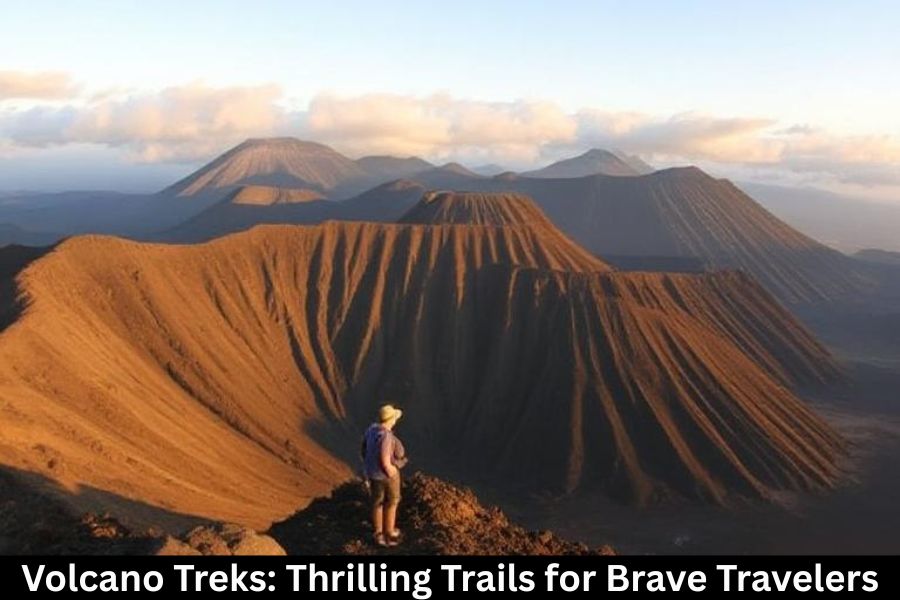
Volcano Treks: Thrilling Trails for Brave Travelers
Imagine standing on the edge of a smoking crater, the ground warm beneath your boots, the air buzzing with raw energy. Volcano trekking isn’t just another outdoor activity—it’s a face-to-face meeting with the most powerful forces on Earth. For brave travelers, volcano treks offer adrenaline, beauty, and humility all rolled into one unforgettable experience.
If regular mountain hikes feel too predictable, volcano trails flip the script. They remind you that the planet is alive, breathing, and constantly changing. Sounds thrilling? It absolutely is.
Why Volcano Trekking Captures the Human Spirit
Humans have always been drawn to danger and wonder. Volcanoes symbolize both creation and destruction, fear and fascination. Trekking one feels like stepping into Earth’s engine room—where continents are shaped and history is written in lava.
Adventure, Danger, and Beauty Combined
Volcano treks combine heart-pounding risk with surreal beauty. One moment you’re hiking through lush forests, the next you’re crossing blackened lava fields that look straight out of another planet. It’s like walking through Earth’s mood swings.
What Makes Volcano Treks So Unique
Walking on Living Earth
Unlike ordinary mountains, volcanoes are alive. You’re not just climbing rock—you’re walking on a geological heartbeat.
Active vs Dormant Volcanoes
Active volcanoes offer drama: steam vents, glowing lava, and sulfur scents. Dormant ones provide safer but equally stunning landscapes. Both deliver unforgettable experiences—it’s all about choosing wisely.
Landscapes You Won’t Find Anywhere Else
Volcano terrain is raw and wild.
Lava Fields, Craters, and Ash Trails
Ash feels like walking on sand, lava rocks crunch underfoot, and craters stretch like giant scars. It’s rough, unpredictable, and thrilling—nature with no filters.
Who Should Try Volcano Trekking
Fitness and Mental Readiness
You don’t need to be an athlete, but you need stamina and focus. Volcano trails are often steep, slippery, and exposed. Mental toughness matters just as much as physical strength.
Beginner vs Advanced Trekkers
Not all volcano treks are extreme.
Choosing the Right Volcano for Your Skill Level
Some volcanoes are perfect for first-timers, while others demand serious experience. Knowing your limits isn’t weakness—it’s smart adventure.
Safety First: What You Must Know Before a Volcano Trek
Understanding Volcanic Risks
Gas emissions, sudden weather changes, loose terrain, and eruptions are real risks. Ignoring them is like playing chess blindfolded.
Importance of Guides and Local Knowledge
Local guides read the volcano like a book. They know when it’s calm, when it’s moody, and when to turn back. Their experience can save lives.
Weather and Volcanic Activity Monitoring
When Not to Trek a Volcano
If alerts are raised or weather turns hostile, cancel the trek. The mountain will always be there—your safety might not.
Famous Volcano Treks Around the World
Mount Fuji, Japan
A classic trek blending spirituality and challenge. The climbing season is limited, but the sunrise view is legendary.
Mount Etna, Italy
Europe’s most active volcano offers guided treks with views of lava flows and ancient craters.
Mount Bromo, Indonesia
An otherworldly experience with misty landscapes and a dramatic crater you can walk up to.
Pacaya Volcano, Guatemala
Famous for visible lava flows, this trek feels like walking through a science documentary.
Extreme Volcano Treks for Hardcore Adventurers
Mount Nyiragongo, DR Congo
Home to one of the world’s largest lava lakes. Intense, dangerous, and unforgettable.
Villarrica Volcano, Chile
Climb with crampons and ice axes, then peer into a steaming crater. Not for the faint-hearted.
Mount Merapi, Indonesia
One of the most active volcanoes in the world. Raw, unpredictable, and deeply respected by locals.
Volcano Treks for Beginners
Mount Batur, Bali
A sunrise trek that’s manageable and magical.
Cerro Negro, Nicaragua
Short hike, big thrill—and famous for volcano boarding.
Pico do Fogo, Cape Verde
Challenging but rewarding, with welcoming local communities.
Best Time of Year for Volcano Trekking
Seasonal Considerations
Dry seasons are best. Rain turns ash into slippery mud—fun ends fast.
Avoiding Crowds and Danger Zones
Sunrise vs Sunset Treks
Sunrise treks offer cooler temperatures and epic views. Sunset treks bring drama and color—but require extra caution.
Essential Gear for Volcano Treks
Clothing and Footwear
Sturdy boots, breathable layers, and weather protection are non-negotiable.
Safety Equipment
Helmets, masks, and trekking poles can make a huge difference.
Food, Water, and Emergency Supplies
What Most Trekkers Forget
Extra water, sunscreen, and a basic first-aid kit. Small things—big impact.
Physical and Mental Challenges of Volcano Treks
Dealing with Steep Slopes and Loose Terrain
Every step demands attention. One careless move can send you sliding.
Fear, Fatigue, and Focus
Fear sharpens the senses. Fatigue tests willpower. Focus keeps you safe.
Environmental Responsibility While Trekking Volcanoes
Protecting Fragile Ecosystems
Volcanic environments recover slowly. One careless act can last decades.
Leave No Trace Principles
Respecting Local Communities
Many volcanoes are sacred. Treat them—and their people—with respect.
Why Volcano Treks Are Worth the Risk
Once-in-a-Lifetime Views
Standing above clouds with lava glowing below feels unreal.
Personal Growth and Confidence Boost
If you can walk a volcano, everyday challenges feel smaller.
Common Myths About Volcano Trekking
Volcano Treks Are Always Dangerous
With proper planning, many are surprisingly safe.
Only Professionals Can Do It
Plenty of volcanoes welcome beginners with guidance.
Conclusion
Volcano treks are not just about adventure—they’re about connection. Connection to Earth, to fear, and to your own strength. For brave travelers willing to step outside comfort zones, volcano trails deliver stories worth telling for a lifetime. It’s raw. It’s risky. And it’s absolutely worth it.
FAQs
Is volcano trekking safe?
Yes, when done with proper planning, guides, and safety checks.
Do I need prior trekking experience?
Not always. Many volcano treks are beginner-friendly.
What should I wear for a volcano trek?
Sturdy boots, layered clothing, and safety gear.
Can beginners try volcano treks?
Absolutely—start with easier volcanoes.
Which volcano trek is the most thrilling?
Mount Nyiragongo is often considered the most intense.