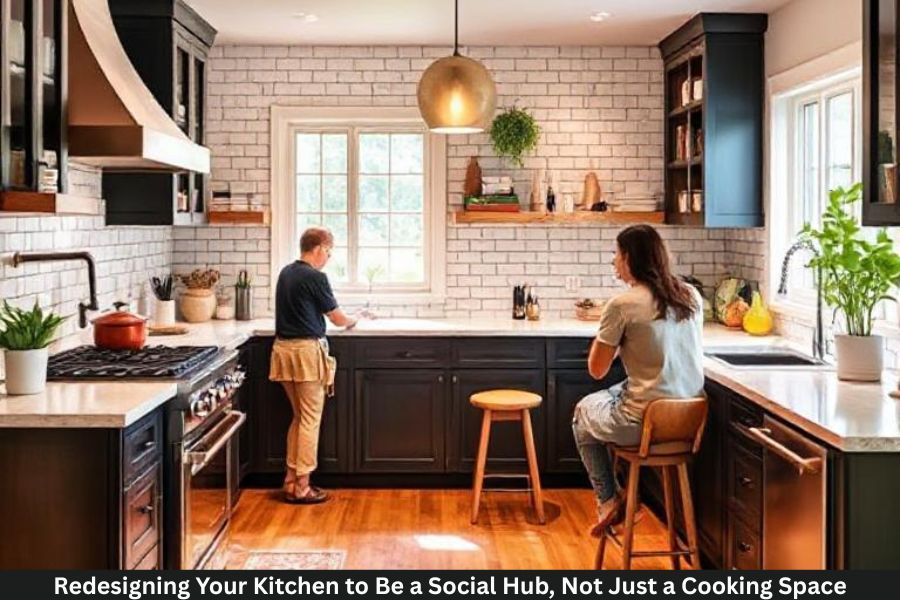
Redesigning Your Kitchen to Be a Social Hub, Not Just a Cooking Space
Ever noticed how guests always end up in the kitchen? You could have a perfectly styled living room, but somehow everyone gravitates toward the fridge, the counter, and the smell of something cooking. That’s because kitchens aren’t just about food anymore—they’re about connection.
From Functional to Social Spaces
Traditionally, kitchens were hidden work zones. Today, they’re front and center. Redesigning your kitchen to be a social hub means shifting the focus from “get in, cook, get out” to “stay, talk, laugh, and linger.”
Understanding the Social Kitchen Concept
How Lifestyles Have Changed Kitchen Design
We work from home, host casually, and prefer informal gatherings. The kitchen has adapted, becoming a flexible space that supports conversation, collaboration, and community.
Kitchens as Gathering Places
Think of the kitchen as a campfire. People naturally gather around warmth, food, and light. A social kitchen leans into that instinct.
Open-Plan Layouts and Flow
Breaking Down Walls
Walls isolate. Open layouts invite. Removing barriers between the kitchen and adjacent spaces creates a natural flow that encourages interaction.
Creating Seamless Transitions to Living Areas
Consistent flooring, aligned sightlines, and cohesive color palettes make the kitchen feel like part of a bigger social experience rather than a separate room.
Kitchen Islands as Social Anchors
Multifunctional Island Design
A kitchen island is the ultimate multitasker. It’s a prep station, serving area, homework desk, and conversation hub all rolled into one.
Seating, Storage, and Style
Add seating to your island and you instantly create a place for people to gather. Storage underneath keeps clutter out of sight, maintaining a relaxed vibe.
Seating That Encourages Conversation
Bar Stools, Benches, and Banquettes
Seating matters more than you think. Comfortable stools or built-in benches invite people to stay longer and engage more.
Comfort Meets Functionality
Choose seating that’s cozy enough for long chats but practical enough for everyday use. No one wants to balance awkwardly while holding a drink.
Designing for Interaction While Cooking
Facing Guests, Not Walls
If the cook is staring at a wall, conversation dies. Orient appliances and prep areas so you can face guests while cooking.
Layouts That Invite Participation
Wide counters and shared prep zones allow friends and family to jump in—because cooking together is half the fun.
Lighting That Sets the Mood
Task Lighting vs Ambient Lighting
Bright task lighting helps you cook, but soft ambient lighting makes people feel comfortable.
Statement Fixtures and Warm Tones
Pendant lights over islands and warm bulbs instantly make the kitchen feel more inviting and less clinical.
Integrating Dining into the Kitchen
Casual Dining Zones
Forget formal dining rooms. A casual dining nook in or near the kitchen encourages everyday connection.
Flexible Tables and Expandable Spaces
Extendable tables and movable furniture adapt easily from family dinners to larger gatherings.
Technology That Brings People Together
Smart Appliances for Entertaining
Smart ovens, beverage fridges, and touchless faucets reduce effort and keep you present with your guests.
Music, Screens, and Connectivity
Soft background music or a discreet screen for recipes and entertainment can enhance social energy without dominating it.
Storage That Keeps the Space Inviting
Hidden Storage Solutions
Clutter kills conversation. Deep drawers, pull-outs, and concealed cabinets keep the kitchen looking calm and open.
Display Shelves for Personality
Open shelves with cookbooks, ceramics, or plants add warmth and spark conversation.
Materials That Feel Warm and Welcoming
Wood, Stone, and Soft Finishes
Natural materials soften the space and make it feel lived-in rather than showroom-perfect.
Balancing Durability and Comfort
Choose finishes that can handle spills but still feel cozy. Social kitchens are meant to be used, not tiptoed around.
Personal Touches and Style
Adding Art and Decor
Art, photos, and personal objects make the kitchen feel like your space, not just a workspace.
Reflecting Your Lifestyle
Love hosting? Add a wine fridge. Family-focused? Create space for kids to sit and snack.
Designing for All Ages and Occasions
Kid-Friendly and Guest-Friendly Kitchens
Lower counters, durable materials, and flexible seating ensure everyone feels welcome.
Entertaining Made Easy
A social kitchen should support both casual breakfasts and lively dinner parties without stress.
Budget-Friendly Ways to Create a Social Kitchen
Small Changes With Big Social Impact
New lighting, updated seating, or rearranged layouts can dramatically change how people interact in the space.
Phased Renovation Ideas
You don’t need to do everything at once. Start with layout and lighting, then upgrade finishes over time.
Common Mistakes to Avoid
Overcrowding the Space
More furniture doesn’t mean more social. Leave room to move and breathe.
Forgetting Practical Workflow
A social kitchen still needs to function well. If cooking becomes frustrating, the joy disappears.
Conclusion
Redesigning your kitchen to be a social hub isn’t about chasing trends—it’s about designing for real life. When your kitchen invites people to sit, talk, and connect, it becomes more than a place to cook. It becomes the emotional center of your home. With thoughtful layout, comfortable seating, warm materials, and intentional design, your kitchen can transform into a space where memories are made—one conversation at a time.
Frequently Asked Questions (FAQs)
1. Do I need a large kitchen to make it social?
No. Smart layouts, seating, and lighting can make even small kitchens feel welcoming.
2. What’s the most important element of a social kitchen?
Layout. How people move, sit, and interact matters more than size or finishes.
3. Are open kitchens always better for socializing?
Often yes, but partial openings or visual connections can work just as well.
4. How can I make my kitchen more guest-friendly?
Add seating, clear counter space, and easy access to drinks and snacks.
5. Can I redesign my kitchen without a full renovation?
Absolutely. Lighting, furniture, and layout changes can make a big difference.