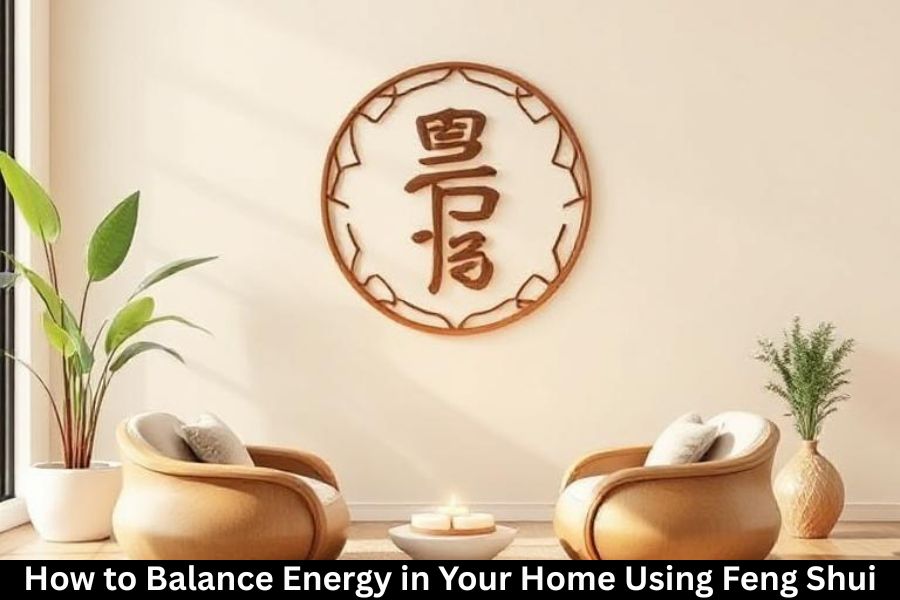
Have you ever walked into a room and instantly felt calm—or restless for no obvious reason? That’s energy at work. Feng Shui is the ancient practice of arranging your home to create balance, harmony, and positive energy flow. It’s not magic, and it’s definitely not about superstition. Think of it as interior design with intention.
The Connection Between Energy and Home Life
Your home reflects your inner world. When energy flows smoothly through your space, life often feels smoother too—better sleep, improved focus, and even healthier relationships. Feng Shui simply helps your home support you instead of working against you.
Understanding Feng Shui Basics
The Concept of Chi (Energy)
At the heart of Feng Shui is chi, the invisible life force that flows through everything. When chi moves freely, life feels balanced. When it’s blocked or rushed, stress creeps in.
Positive vs Negative Energy Flow
Positive chi feels light, calm, and welcoming. Negative energy shows up as clutter, dark corners, or cramped layouts. Feng Shui helps turn stuck energy into smooth, nourishing flow—like untangling a knotted hose.
The Five Elements of Feng Shui
Wood, Fire, Earth, Metal, and Water
Each element represents a different type of energy:
- Wood: Growth and vitality
- Fire: Passion and energy
- Earth: Stability and grounding
- Metal: Clarity and focus
- Water: Flow and abundance
How the Elements Interact
Balance is key. Too much fire creates tension, too much water brings stagnation. Feng Shui is about blending these elements so they support one another—like a well-balanced meal.
The Bagua Map Explained
What Is the Bagua Map
The Bagua map is a Feng Shui tool that divides your home into nine life areas, such as wealth, health, relationships, and career.
Mapping the Bagua to Your Home
You align the Bagua map with your floor plan to see which areas of life each room represents. This helps you make intentional design choices that support specific goals.
Decluttering to Restore Energy Balance
Why Clutter Blocks Chi
Clutter is the biggest energy killer. It traps chi, creating mental and emotional heaviness. If energy can’t move, neither can motivation or clarity.
Simple Decluttering Strategies
Start small. One drawer, one shelf, one corner. Let go of what you don’t love or use. Every cleared space creates room for fresh energy.
Feng Shui for the Entrance and Front Door
Creating a Welcoming Entryway
Your front door is known as the “mouth of chi.” It’s where energy enters your home, so make it count.
Front Door Dos and Don’ts
Keep it clean, well-lit, and unobstructed. Avoid broken hardware or cluttered shoes. A welcoming entrance invites positive opportunities inside.
Balancing Energy in the Living Room
Furniture Placement for Harmony
Arrange furniture to encourage conversation and openness. Avoid blocking pathways—energy likes to wander, not squeeze.
Colors and Decor Choices
Warm, earthy tones create comfort, while pops of color energize the space. Balance softness with structure for a relaxed yet grounded feel.
Feng Shui Tips for the Bedroom
Bed Placement and Sleep Energy
Your bed should have a solid headboard and a clear view of the door—but not be directly in line with it. This creates a sense of safety and control.
Creating a Calm and Restful Atmosphere
Remove electronics, keep colors soft, and limit clutter. Your bedroom should feel like a deep exhale at the end of the day.
Feng Shui in the Kitchen
Balancing Fire and Water Elements
The kitchen is full of fire (stove) and water (sink). Balance them with wood elements or neutral colors to prevent energetic conflict.
Stove Placement and Energy Flow
The stove represents abundance. Keep it clean, use all burners regularly, and avoid placing it directly opposite the sink.
Bathroom Feng Shui Essentials
Preventing Energy Drain
Bathrooms can drain energy because of water flow. Keep doors and toilet lids closed to contain chi.
Simple Bathroom Fixes
Add plants, soft lighting, and warm colors to counteract excessive water energy and restore balance.
Using Colors to Balance Energy
Choosing Colors Based on Feng Shui
Colors influence mood and energy. Blues calm, greens heal, reds energize, and neutrals ground.
Room-by-Room Color Guidance
Use calming tones in bedrooms, energizing accents in living areas, and balanced neutrals in shared spaces.
Light, Air, and Natural Elements
Importance of Natural Light and Airflow
Fresh air and sunlight are natural energy boosters. Open windows regularly and let light fill your rooms.
Plants, Mirrors, and Water Features
Plants refresh energy, mirrors expand space, and water features attract abundance—when used thoughtfully.
Feng Shui for Home Office and Workspaces
Boosting Focus and Productivity
Your workspace should support clarity and motivation. Keep it organized and free from distractions.
Desk Placement and Decor
Place your desk in a command position—facing the door but not directly aligned. Add inspiring artwork and supportive colors.
Common Feng Shui Mistakes to Avoid
Overcorrecting Energy
Too many cures can overwhelm a space. Feng Shui works best when applied gently and intuitively.
Ignoring Practical Living Needs
Balance is essential, but your home still needs to function. Comfort always comes first.
Feng Shui on a Budget
Small Adjustments with Big Impact
Rearranging furniture, adding plants, or changing lighting costs little but shifts energy dramatically.
DIY Feng Shui Enhancements
Crystals, handmade decor, and intentional cleaning rituals can enhance energy without spending much.
Conclusion
Balancing energy in your home using Feng Shui isn’t about rigid rules—it’s about awareness and intention. When your space supports natural energy flow, life feels lighter, calmer, and more aligned. By decluttering, balancing elements, and designing with purpose, your home becomes more than just a place to live. It becomes a partner in your well-being.
Frequently Asked Questions (FAQs)
1. Do I need to believe in Feng Shui for it to work?
Not at all. Feng Shui principles are based on comfort, balance, and flow—things everyone can benefit from.
2. Can Feng Shui work in small apartments?
Yes. Small spaces often respond even faster to energy adjustments.
3. How long does it take to feel results?
Some people notice changes immediately, while others feel gradual improvements over time.
4. Is Feng Shui religious?
No. It’s a design and lifestyle philosophy, not a religion.
5. Can I apply Feng Shui one room at a time?
Absolutely. Start where you feel the most imbalance and build from there.