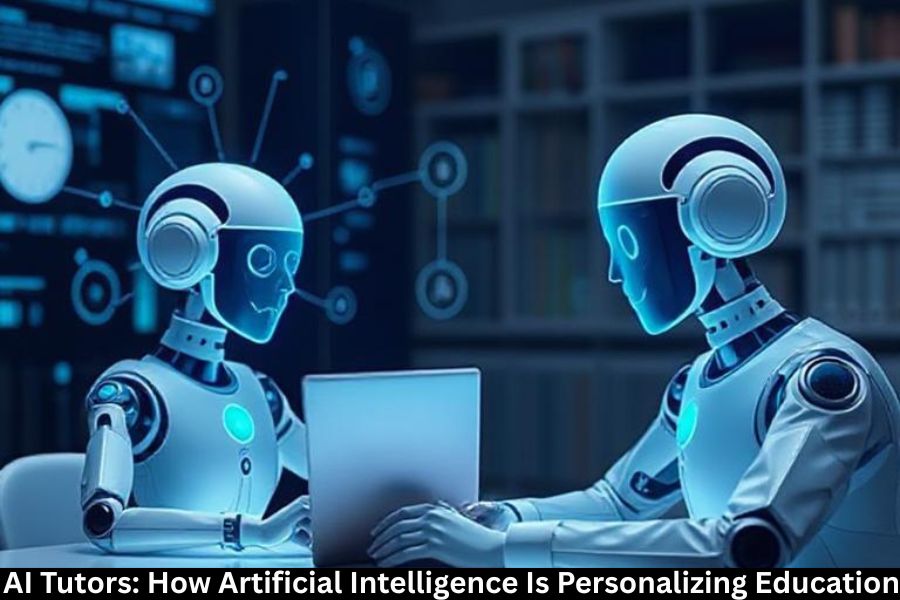
Education is changing faster than ever. Chalkboards have turned into smart boards, textbooks have gone digital, and now classrooms are welcoming a new kind of helper—AI tutors. These intelligent systems aren’t here to replace teachers. Instead, they’re reshaping how students learn by making education more personal, flexible, and effective.
The Changing Face of Education
Traditional classrooms often move at one speed, leaving some students bored and others overwhelmed. AI tutors step in like a personal coach, adjusting lessons to match each learner’s pace.
Why Personalization Matters in Learning
No two students learn the same way. Personalized education helps learners understand concepts deeply instead of just memorizing answers.
What Are AI Tutors?
AI tutors are software-based learning systems powered by artificial intelligence that guide students through lessons, exercises, and feedback tailored specifically to their needs.
Defining AI-Powered Learning Assistants
Think of AI tutors as smart study partners. They analyze how a student learns, identify strengths and weaknesses, and adjust lessons accordingly.
AI Tutors vs Traditional Teaching Tools
Unlike static learning apps, AI tutors evolve with the learner, constantly improving their responses.
How AI Tutors Work
AI tutors rely on data, algorithms, and continuous learning to personalize education.
Data-Driven Learning Models
Every interaction—answers, mistakes, time spent—is valuable data that shapes future lessons.
Machine Learning and Adaptive Algorithms
The more a student interacts, the smarter the tutor becomes.
Real-Time Feedback Systems
Immediate feedback helps students correct mistakes instantly, reinforcing learning while it’s fresh.
The Rise of Personalized Education
One-Size-Fits-All vs Personalized Learning
Traditional systems teach everyone the same way. AI tutors teach everyone the right way.
Meeting Students Where They Are
Whether a student is struggling or excelling, AI tutors adapt without judgment.
Key Features of AI Tutors
Adaptive Learning Paths
Lessons change based on performance, ensuring no student is left behind.
Instant Feedback and Assessment
No waiting for graded papers—students know where they stand immediately.
24/7 Learning Support
Learning doesn’t stop when school ends.
Learning at Your Own Pace
AI tutors remove the pressure of keeping up or slowing down.
Benefits of AI Tutors for Students
Improved Learning Outcomes
Personalized lessons help students grasp concepts faster and retain information longer.
Boosting Confidence and Motivation
Success builds confidence, and confidence fuels motivation.
Reducing Learning Anxiety
Mistakes feel less scary when there’s no judgment.
Benefits of AI Tutors for Teachers
Reducing Administrative Burden
AI handles grading and tracking, freeing teachers to focus on teaching.
Data-Driven Insights into Student Progress
Teachers gain clear insights into where students need help.
Teachers as Mentors, Not Machines
AI supports teachers—it doesn’t replace them.
AI Tutors in Different Education Levels
Primary and Secondary Education
AI tutors reinforce foundational skills in math, reading, and science.
Higher Education and Universities
They assist with complex subjects and self-paced learning.
Lifelong Learning and Skill Development
Professionals use AI tutors to reskill and upskill.
Learning Beyond the Classroom
Education becomes a lifelong journey.
Real-World Examples of AI Tutors
AI Tutors in Online Learning Platforms
Many platforms already use AI to personalize lessons and quizzes.
Case Studies and Success Stories
Students using AI tutors often show improved engagement and performance.
AI Tutors and Inclusive Education
Supporting Students with Learning Disabilities
AI adapts lessons for dyslexia, ADHD, and other learning challenges.
Bridging Educational Gaps
Students from underserved areas gain access to quality learning tools.
Accessibility Through Technology
AI tutors break barriers of location and ability.
Challenges and Limitations of AI Tutors
Data Privacy and Security Concerns
Student data must be protected carefully.
Over-Reliance on Technology
Balance is key—technology should support, not dominate.
The Human Touch Still Matters
Empathy and connection can’t be fully automated.
Ethical Considerations in AI-Powered Education
Bias in Algorithms
AI must be trained responsibly to avoid inequality.
Transparency and Accountability
Educators and parents should understand how AI makes decisions.
Building Trust in AI Systems
Trust grows through openness and ethical use.
The Role of Parents in AI-Assisted Learning
Monitoring and Guidance
Parents should stay involved and informed.
Partnering with Technology
AI works best when combined with human support.
The Future of AI Tutors
Smarter, More Human-Like Learning Assistants
Future AI tutors will understand emotions and learning styles better.
Integration with Virtual and Augmented Reality
Imagine learning history by walking through ancient cities.
The Classroom of Tomorrow
Blended, flexible, and student-centered.
How Schools Can Implement AI Tutors Effectively
Training Educators
Teachers need support to use AI effectively.
Blending AI with Traditional Teaching
The best results come from collaboration.
Sustainable Adoption Strategies
Thoughtful implementation ensures long-term success.
Conclusion
AI tutors are transforming education by making learning personal, flexible, and inclusive. They don’t replace teachers—they empower them. By adapting to individual needs, AI tutors help students learn smarter, not harder. The future of education isn’t artificial—it’s intelligently human.
FAQs
1. Are AI tutors replacing teachers?
No. AI tutors support teachers by handling repetitive tasks and personalization.
2. Can AI tutors help struggling students?
Yes, they adapt lessons to each learner’s pace and needs.
3. Are AI tutors safe for children?
When properly regulated and secured, they are safe and effective.
4. Do AI tutors work offline?
Some features require internet access, but offline options are growing.
5. Is AI tutoring expensive?
Many AI tools are affordable or even free, making them widely accessible.