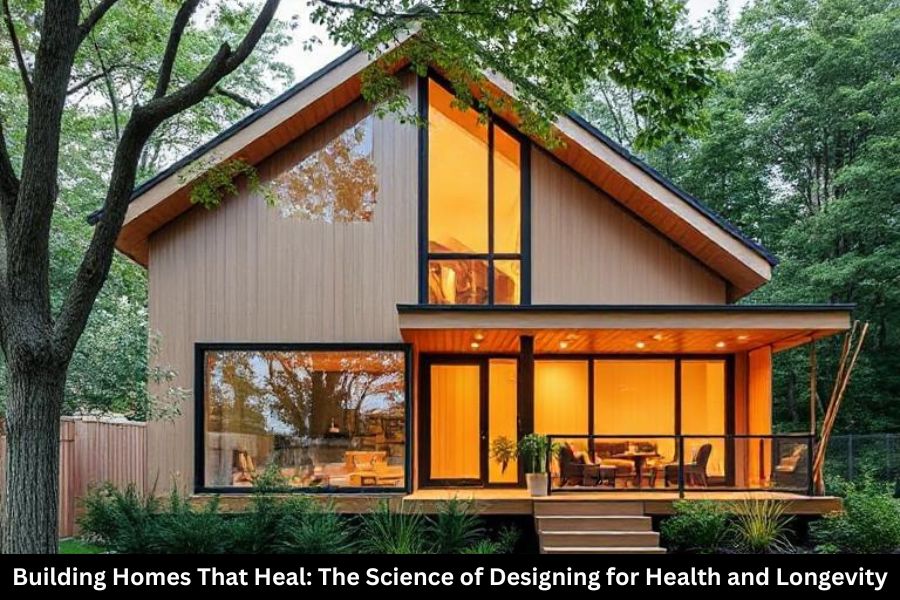
Your home is more than four walls and a roof. It’s the place where your body rests, recovers, and resets every single day. Yet most homes are designed for convenience and cost—not health. Healing home design flips that script. It asks a powerful question: What if your home actively supported your physical, mental, and emotional well-being?
Why Our Homes Affect Our Health
We spend nearly 90% of our lives indoors. That means the air we breathe, the light we absorb, the sounds we hear, and even the materials we touch shape our health over time. A poorly designed home can quietly drain your energy, while a well-designed one can help you thrive.
From Shelter to Wellness Ecosystem
Modern homes are evolving from basic shelters into wellness ecosystems—spaces intentionally crafted to support longevity, resilience, and quality of life.
The Science Behind Healthy Homes
Healing homes aren’t based on vibes or trends. They’re rooted in science.
How the Built Environment Shapes the Body
Your nervous system constantly responds to your surroundings. Poor air quality triggers inflammation. Harsh lighting disrupts hormones. Noise elevates stress hormones. Over time, these micro-stressors add up.
The Mind-Body Connection at Home
A calm environment signals safety to the brain. When the brain feels safe, the body heals more efficiently. That’s why hospitals now prioritize healing environments—and homes should too.
Environmental Stress vs. Environmental Support
Think of your home as either a weight on your shoulders or a hand on your back. Design determines which one it becomes.
What Does a Healing Home Really Mean?
A healing home doesn’t have to look like a wellness retreat.
Beyond Aesthetics and Luxury
This isn’t about marble countertops or expensive gadgets. It’s about how a space functions for human biology.
Designing With Biology in Mind
Healing homes respect circadian rhythms, sensory needs, movement patterns, and emotional safety. They work with your body, not against it.
Air Quality and Respiratory Health
You can survive weeks without food—but only minutes without air.
The Hidden Dangers of Indoor Air Pollution
Indoor air can be two to five times more polluted than outdoor air. Off-gassing furniture, cleaning chemicals, mold, and poor ventilation quietly damage respiratory health.
Ventilation, Filtration, and Fresh Air
Mechanical ventilation systems, operable windows, and high-quality air filters dramatically improve indoor air quality and immune function.
Materials That Breathe, Not Poison
Natural materials like clay plaster, untreated wood, and mineral paints allow homes to regulate humidity and reduce toxins.
Natural Light and Circadian Rhythm Design
Light is one of the most powerful medicines available—and it’s free.
Sunlight as Medicine
Natural light boosts vitamin D production, regulates hormones, and improves mood. Homes designed around daylight simply feel better.
Aligning Homes With Our Internal Clock
Circadian-friendly design places bright light in daytime spaces and minimizes artificial light in evening zones.
Window Placement and Light Zoning
Strategic window placement ensures balanced light throughout the day without glare or overheating.
Materials That Promote Health and Longevity
What your home is made of matters.
Non-Toxic and Low-VOC Materials
Low-VOC paints, adhesives, and finishes reduce headaches, allergies, and long-term toxicity.
Natural vs. Synthetic Finishes
Natural materials age gracefully. Synthetic ones often degrade, releasing harmful compounds.
The Long-Term Cost of Cheap Materials
Cheap materials may save money upfront but often cost more in health and repairs later.
Acoustic Comfort and Mental Well-Being
Silence isn’t boring—it’s healing.
Noise Pollution Inside the Home
Constant noise elevates stress hormones and disrupts sleep, even if you “get used to it.”
Designing for Calm and Focus
Soft surfaces, acoustic panels, and thoughtful layouts absorb sound instead of amplifying it.
Soundproofing Without Isolation
A well-designed home balances privacy with connection, reducing noise without feeling closed off.
Thermal Comfort and Metabolic Health
Temperature affects more than comfort—it affects metabolism and sleep.
Why Temperature Matters More Than You Think
Extreme or inconsistent temperatures stress the body, increasing fatigue and inflammation.
Passive Heating and Cooling Strategies
Insulation, shading, and airflow keep homes comfortable naturally.
Smart Systems for Human Comfort
Smart thermostats and zoning systems adapt temperatures to real human needs.
Biophilic Design and Healing Spaces
Nature is one of the oldest healing tools known to humanity.
Nature as a Healing Partner
Plants, water, natural textures, and views of greenery reduce stress and improve immune response.
Indoor Plants, Water, and Organic Forms
Even small doses of nature—like a plant or natural pattern—can significantly improve well-being.
Movement-Friendly Home Design
Your home should encourage movement, not stillness.
Designing Spaces That Encourage Activity
Open layouts, visible stairs, and multipurpose rooms invite movement naturally.
Reducing Sedentary Living Indoors
Subtle cues—like standing desks or flexible furniture—reduce long-term health risks.
Subtle Design Tricks That Promote Movement
Even placing frequently used items farther apart encourages daily activity.
Sleep-Supportive Home Design
Sleep is the foundation of longevity.
Bedrooms Built for Deep Rest
Darkness, quiet, and cool temperatures create ideal sleep conditions.
Light, Sound, and Temperature Control
Blackout curtains, sound insulation, and climate control support deep sleep cycles.
The Role of Technology in Sleep Health
Smart lighting and sleep trackers can enhance rest when used wisely.
Kitchens That Support Longevity
Healthy eating starts with environment.
Healthy Eating Starts With Design
Well-lit, organized kitchens encourage cooking over processed foods.
Ergonomics and Injury Prevention
Thoughtful layouts reduce strain, making cooking enjoyable at any age.
Bathrooms as Micro Wellness Retreats
Bathrooms can be healing sanctuaries.
Hygiene, Recovery, and Relaxation
Natural light, ventilation, and clean materials support daily recovery.
Spa-Inspired Healing Features
Showers, soaking tubs, and calming textures turn routines into rituals.
Emotional Health and Psychological Safety
Homes should feel emotionally safe.
Design That Reduces Anxiety
Clear layouts, calming colors, and natural light reduce cognitive overload.
Personal Space, Privacy, and Control
The ability to control light, sound, and temperature improves emotional well-being.
Sustainable Design and Long-Term Health
Healthy homes and healthy planets go together.
Eco-Friendly Homes, Healthier Lives
Sustainable materials reduce toxins and environmental harm.
Longevity for People and the Planet
Designing for durability benefits future generations.
How to Start Building or Upgrading a Healing Home
You don’t need a full rebuild.
Small Changes With Big Health Benefits
Improve air quality, add plants, and optimize lighting.
Budget-Friendly Health-Focused Upgrades
Even paint, layout changes, and better bedding can improve health.
Healing Design for Any Home Size
Apartments and houses alike can become healing spaces.
Common Mistakes to Avoid
Good intentions can go wrong.
Overlooking Invisible Health Risks
Air, light, and sound matter as much as style.
Designing for Trends Instead of Humans
Trends fade. Biology doesn’t.
The Future of Health-Centered Home Design
The future is personalized.
Smart Homes That Monitor Wellness
Homes will soon track air quality, sleep, and stress.
Personalized Living Environments
Design will adapt to individual health needs.
Conclusion: Homes as Partners in Health and Longevity
A healing home doesn’t just look good—it quietly works in your favor every day. By aligning design with human biology, homes can become powerful allies in health, resilience, and longevity. The future of wellness may not be in hospitals or gyms, but right where you live.
Frequently Asked Questions (FAQs)
1. What is a healing home?
A healing home is designed to support physical, mental, and emotional health through air, light, materials, and layout.
2. Can existing homes be turned into healing homes?
Yes. Small upgrades like better ventilation, lighting, and materials make a big difference.
3. Is healing home design expensive?
Not always. Many health-focused changes are affordable and cost-saving long term.
4. Does home design really affect longevity?
Yes. Chronic exposure to poor environments accelerates aging and disease risk.
5. What is the first step toward a healthier home?
Start with air quality, natural light, and reducing toxins.