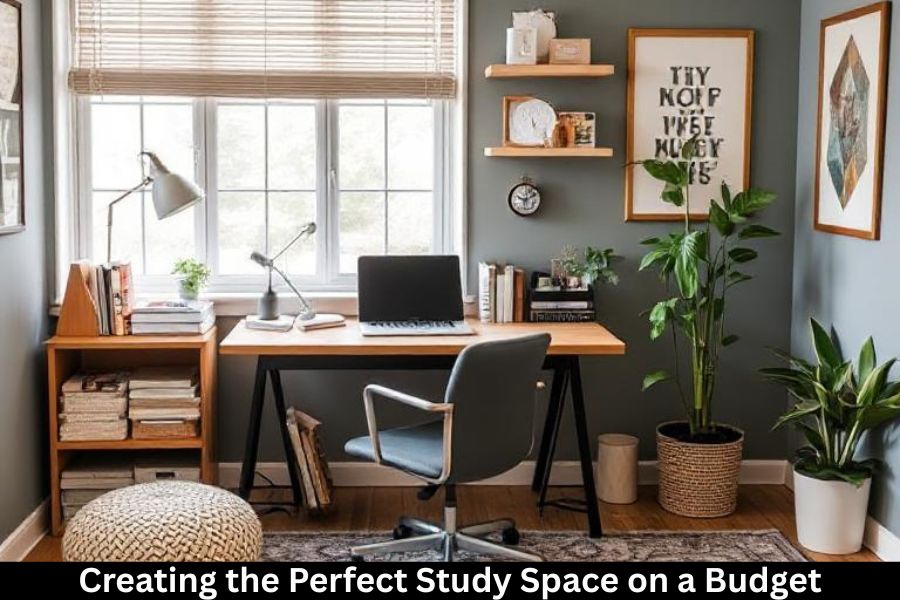
A perfect study space doesn’t come from expensive furniture catalogs or Pinterest-perfect rooms. It comes from intention. The good news? You don’t need deep pockets to build a space that helps you focus, learn faster, and actually enjoy studying.
Why Your Study Space Matters More Than You Think
Your environment silently shapes your behavior. A cluttered desk creates a cluttered mind, while a well-organized space nudges you toward focus. Think of your study space as a personal productivity assistant—it works for you when set up right.
You Don’t Need Money—You Need Intention
A budget-friendly study space isn’t about cutting corners. It’s about being smart, creative, and intentional with what you already have.
Understanding the Purpose of Your Study Space
Studying vs. Working vs. Creative Learning
Not all study spaces are the same. A student memorizing formulas needs a different setup than someone writing essays or learning design skills.
Matching the Space to Your Goals
Ask yourself: What will I mostly do here? Reading? Writing? Online classes? Let function guide form.
Choosing the Right Location
Small Rooms, Big Potential
You don’t need a separate room. A corner of your bedroom, a section of the dining table, or even a converted closet can work wonders.
Shared Spaces and Smart Compromises
Living with others? Use headphones, room dividers, or specific study hours to create mental boundaries.
Noise, Light, and Distractions
Choose the quietest, brightest spot possible. If silence isn’t an option, controlled background noise beats chaos.
Setting a Realistic Budget
How Much Should You Really Spend?
Start with what you already own. Many people build effective study spaces for little to no money.
Prioritizing Essentials Over Aesthetics
A sturdy desk beats trendy decor. Comfort and function come first—style comes later.
Budget-Friendly Furniture Essentials
Choosing the Right Desk on a Budget
A desk doesn’t need to be fancy. A simple table at the right height works just fine.
Affordable and Ergonomic Seating
An uncomfortable chair will sabotage your focus. Add cushions or lumbar support before buying new.
DIY and Second-Hand Furniture Options
Thrift stores, online marketplaces, and DIY hacks can save you serious money.
Lighting That Boosts Focus Without Breaking the Bank
Natural Light Optimization
Place your desk near a window if possible. Natural light reduces eye strain and boosts mood.
Best Low-Cost Study Lamps
LED desk lamps are affordable, energy-efficient, and effective.
Warm vs. Cool Lighting for Studying
Cool light improves focus. Warm light is better for evening reading.
Organizing Your Study Space for Maximum Productivity
Declutter First, Buy Later
Before buying organizers, remove what you don’t need. Less stuff equals more focus.
Cheap Storage Solutions That Actually Work
Use boxes, jars, folders, and baskets you already have.
Vertical Space Is Your Best Friend
Wall shelves, hooks, and pegboards save space and money.
Creating a Distraction-Free Environment
Managing Digital Distractions
Silence notifications. Use website blockers. Your phone is a productivity vampire.
Physical Distractions and How to Minimize Them
Face away from distractions. Keep only study-related items within arm’s reach.
Affordable Decor That Inspires Learning
Minimalist Decor on a Budget
A clean desk beats cluttered inspiration boards.
Motivation Without Overstimulation
One or two meaningful quotes are better than a wall full of noise.
DIY Wall Art and Vision Boards
Print quotes, reuse magazines, or draw your own art.
Color Psychology for Study Spaces
Best Colors for Focus and Calm
Blue boosts focus. Green reduces stress. Neutral tones keep the mind calm.
Low-Cost Ways to Add Color
Use notebooks, desk mats, or posters instead of repainting walls.
Temperature and Comfort Hacks
Staying Comfortable Without High Energy Bills
Layer clothing, use blankets, or adjust study times to warmer hours.
Small Comfort Additions That Make a Big Difference
Footrests, wrist pads, and cushions go a long way.
Technology Essentials Without Overspending
Must-Have Tech vs. Nice-to-Have Tech
A reliable device and internet connection matter more than fancy accessories.
Free and Low-Cost Study Apps
Timers, note apps, and planners can replace expensive tools.
Cable Management on a Budget
Use clips, rubber bands, or toilet paper rolls to organize cables.
Personalizing Your Space Without Clutter
Making It Yours Without Losing Focus
Personal touches should motivate, not distract.
Balancing Personality and Productivity
Your space should feel like you, not a showroom.
Maintaining Your Study Space Long-Term
Daily and Weekly Reset Habits
Five minutes a day keeps clutter away.
Preventing Clutter from Coming Back
Everything should have a home.
Common Mistakes to Avoid
Overspending on Aesthetics
Pretty doesn’t equal productive.
Ignoring Ergonomics
Your body will pay the price if comfort is ignored.
Conclusion
Creating the perfect study space on a budget isn’t about sacrifice—it’s about strategy. When you focus on intention, comfort, and simplicity, you build a space that supports learning without draining your wallet. Start small, adjust as you go, and remember: consistency beats perfection every time.
FAQs
1. Can I create a study space with no budget at all?
Yes. Start by decluttering and repurposing what you already own.
2. What is the most important element of a study space?
Comfort and minimal distractions.
3. Is a separate room necessary for studying?
No. A consistent corner works just as well.
4. How do I stay motivated in a small study space?
Keep it clean, personal, and purpose-driven.
5. How often should I reorganize my study space?
Light daily resets and deeper weekly cleanups work best.