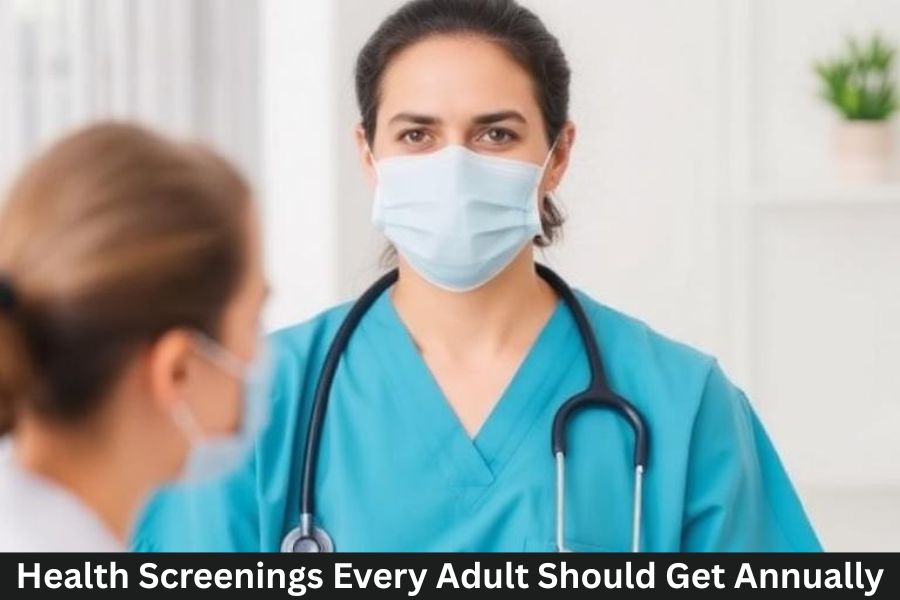
Let’s be honest—most people only see a doctor when something feels off. But waiting for warning signs is like waiting for smoke before checking your fire alarm. Annual health screenings are your early-warning system, quietly working in the background to protect your future self.
Why Preventive Care Matters
Preventive care isn’t about finding problems—it’s about stopping them before they start. Regular screenings catch silent conditions like high blood pressure, diabetes, or early-stage cancer long before symptoms appear. Think of it as routine maintenance for your body, just like servicing a car before it breaks down.
The Cost of Skipping Screenings
Skipping screenings may save time today, but it can cost years tomorrow. Undetected conditions often become expensive, complicated, and life-altering. Early detection equals simpler treatment, lower costs, and better outcomes.
General Health Screenings for All Adults
Annual Physical Exam
This is your health foundation. A yearly physical allows your doctor to review your medical history, lifestyle, and overall wellness.
What Doctors Look For
Doctors check vital signs, listen to your heart and lungs, review medications, and flag subtle changes. It’s like connecting the dots between how you feel and what’s actually happening inside your body.
Blood Pressure Screening
High blood pressure is known as the “silent killer” for a reason—it rarely shows symptoms. Annual checks help prevent heart disease and stroke.
Body Mass Index (BMI) Check
BMI gives insight into weight-related health risks. While not perfect, it’s a useful snapshot that helps guide conversations about nutrition and activity.
Essential Blood Tests
Complete Blood Count (CBC)
A CBC reveals a lot—anemia, infections, immune disorders, and more. It’s a small test with big diagnostic power.
Blood Sugar Tests
Diabetes often creeps in unnoticed. Annual blood sugar testing can stop it in its tracks.
Fasting Glucose vs HbA1c
Fasting glucose shows your blood sugar at one moment, while HbA1c tells the three-month story. Together, they paint a clear picture.
Cholesterol and Lipid Profile
High cholesterol doesn’t hurt—until it does. Annual lipid panels assess your risk for heart disease and guide lifestyle changes early.
Heart Health Screenings
Cardiovascular Risk Assessment
This combines age, cholesterol, blood pressure, and habits like smoking to estimate heart disease risk. It’s like a weather forecast for your heart.
Electrocardiogram (ECG) Basics
An ECG checks heart rhythm and electrical activity. It’s quick, painless, and can reveal hidden issues.
Cancer Screenings Adults Shouldn’t Skip
Breast Cancer Screening
Mammograms detect tumors years before they’re felt. Early detection saves lives—plain and simple.
Cervical Cancer Screening
Pap smears and HPV tests catch changes before cancer develops. Prevention at its best.
Prostate Cancer Screening
PSA tests help assess prostate health, especially important for men over 50 or with family history.
Colorectal Cancer Screening
Colon cancer is highly treatable when caught early. Screening options range from stool tests to colonoscopies.
Skin Cancer Check
Your skin tells stories. Annual skin exams catch suspicious moles before they turn dangerous.
Vision and Hearing Screenings
Eye Exams for Early Detection
Eye exams reveal more than vision problems—they can detect diabetes, hypertension, and nerve issues.
Hearing Tests and Aging
Hearing loss sneaks up gradually. Annual tests help preserve communication and quality of life.
Bone and Joint Health
Bone Density Test
Osteoporosis doesn’t announce itself. Bone scans prevent fractures before they happen.
Arthritis and Mobility Screening
Early joint issues can be managed before they limit movement and independence.
Mental Health and Emotional Well-being
Depression Screening
Mental health is health. Simple questionnaires can identify depression early and open doors to support.
Anxiety and Stress Assessments
Chronic stress affects sleep, heart health, and immunity. Screening helps restore balance.
Sexual and Reproductive Health Screenings
STD and STI Testing
Many infections show no symptoms. Annual testing protects you and your partners.
Fertility and Hormonal Health
Hormone imbalances affect energy, mood, and metabolism. Screening keeps systems aligned.
Vaccination Status Review
Annual Flu Shot
The flu changes yearly—your protection should too.
Booster and Adult Vaccines
From tetanus to shingles, adult vaccines matter more than most realize.
Lifestyle-Related Screenings
Alcohol Use Screening
Honest conversations prevent long-term damage and support healthier habits.
Smoking and Substance Use Evaluation
Early intervention saves lungs, hearts, and lives
Tailoring Screenings by Age and Gender
Screenings in Your 20s and 30s
Focus on baseline health, sexual health, and lifestyle habits.
Screenings in Your 40s and 50s
This is the prevention power decade—cancer and heart screenings become critical.
Screenings After 60
Bone health, vision, hearing, and cognitive screenings take center stage.
How to Prepare for Annual Health Screenings
Questions to Ask Your Doctor
Bring concerns, family history, and symptom notes. No question is too small.
Tracking Results Year Over Year
Trends matter more than single numbers. Keep records to spot changes early.
Common Myths About Health Screenings
“I Feel Fine, So I’m Healthy”
Many conditions are silent. Feeling fine isn’t a medical diagnosis.
Fear of Bad Results
Knowledge empowers action. Ignorance delays solutions.
Conclusion: Prevention Is the Real Cure
Annual health screenings are an investment—not just in longevity, but in quality of life. They turn uncertainty into clarity and fear into control. When you show up for your health every year, your future self quietly says, thank you.
FAQs
1. Are annual health screenings really necessary if I feel healthy?
Yes. Many serious conditions show no symptoms in early stages.
2. Do insurance plans cover annual screenings?
Most preventive screenings are covered, but always confirm with your provider.
3. Can I skip screenings if I’m young?
No. Early habits create long-term health advantages.
4. How long do annual screenings usually take?
Most appointments take 30–60 minutes, depending on tests.
5. What’s the most important screening of all?
The one you actually do consistently—every year.