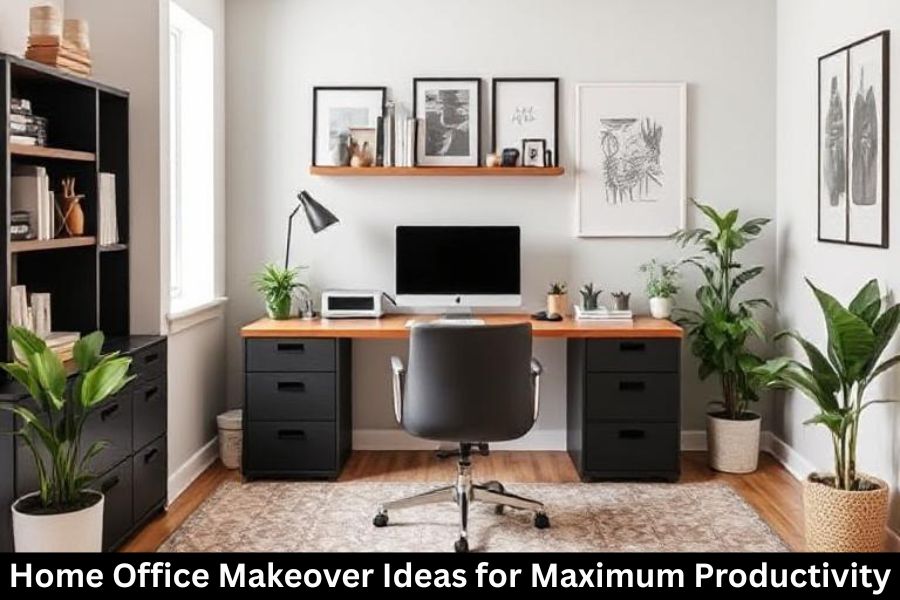
Let’s be real—your home office isn’t just a room anymore. It’s your command center, your creative lab, and sometimes even your coffee shop. With remote work and hybrid schedules becoming the norm, the way your home office looks and feels directly impacts how well you work. A cluttered, uncomfortable setup can drain your energy faster than a phone with 1% battery.
The Link Between Environment and Performance
Your surroundings silently shape your habits. A well-designed home office can boost focus, reduce stress, and make work feel less like a chore and more like a flow. Think of it like tuning a musical instrument—when everything is aligned, productivity hits the right notes.
Planning Your Home Office Makeover
Defining Your Work Style and Needs
Before buying furniture or repainting walls, pause and reflect. Are you on video calls all day? Do you need space to sketch ideas or spread documents? Knowing your work style helps you design a space that works with you, not against you.
Setting Clear Goals for Productivity
Ask yourself: what’s not working right now? Is it distractions, discomfort, or lack of motivation? Setting clear goals—like reducing clutter or improving posture—gives your makeover direction.
Balancing Comfort and Functionality
Comfort without function is a couch. Function without comfort is a punishment. The sweet spot lies in blending both so you can work longer without feeling drained.
Choosing the Right Location
Dedicated Room vs Shared Space
If you have a spare room, great—claim it. If not, don’t worry. Even a quiet corner can transform into a productivity hub with the right setup. The key is consistency—your brain should associate that spot with “work mode.”
Natural Light and Noise Control
Natural light is like a free energy drink. Position your desk near a window if possible. For noise, rugs, curtains, or noise-canceling headphones can work wonders.
Ergonomics – The Foundation of Productivity
Selecting the Perfect Desk
Your desk should fit your workflow. Too small, and you’ll feel cramped. Too big, and it becomes a clutter magnet. Adjustable desks are a bonus, letting you switch between sitting and standing.
Investing in an Ergonomic Chair
A good chair isn’t a luxury—it’s a productivity tool. Look for lumbar support, adjustable height, and breathable material. Your back will thank you.
Proper Monitor Height and Screen Distance
Your monitor should be at eye level, about an arm’s length away. This small tweak can prevent neck strain and headaches over time.
Decluttering for Mental Clarity
The Psychology of a Clean Workspace
Clutter isn’t just physical—it’s mental. Every unnecessary item competes for your attention. Clearing your desk clears your mind.
Smart Storage Solutions
Drawer organizers, shelves, and filing systems keep essentials within reach while hiding the chaos.
Minimalism vs Organized Abundance
You don’t have to go full minimalist. Just make sure everything you keep has a purpose or brings joy.
Lighting Ideas That Boost Focus
Natural Lighting Strategies
Use sheer curtains to diffuse harsh sunlight. This keeps your space bright without glare.
Task Lighting and Ambient Lighting
A desk lamp for focused tasks and soft ambient lighting for the room creates balance.
Avoiding Eye Strain
Choose warm-to-neutral bulbs and avoid harsh overhead lights that tire your eyes.
Color Psychology in Home Office Design
Best Colors for Focus and Creativity
Blues and greens promote calm and focus, while yellows spark creativity. Choose based on the kind of work you do.
Accent Walls and Decorative Touches
An accent wall or subtle decor adds personality without overwhelming the space.
Technology Setup for Efficiency
Cable Management Solutions
Messy cables are productivity kryptonite. Use clips, trays, or cable sleeves to keep things tidy.
Must-Have Tech Tools
A reliable keyboard, mouse, webcam, and microphone can dramatically improve your work experience.
Dual Monitors and Accessories
If your work involves multitasking, dual monitors can feel like upgrading from a bicycle to a car.
Personalization Without Distraction
Adding Plants for Energy
Plants breathe life into your office—literally and figuratively. They improve mood and air quality.
Artwork, Quotes, and Inspiration Boards
A few inspiring visuals can motivate you, just don’t turn your wall into a distraction collage.
Storage and Organization Hacks
Vertical Storage Ideas
Use wall-mounted shelves or pegboards to save floor space and keep tools visible.
Desk Organization Systems
Trays, pen holders, and document stands help maintain order.
Digital Organization Counts Too
A messy desktop is just as bad as a messy desk. Organize your files and emails regularly.
Sound and Acoustics Optimization
Noise-Canceling Solutions
Acoustic panels, rugs, or foam tiles reduce echo and noise distractions.
Music, White Noise, or Silence?
Experiment to find what helps you focus—everyone’s productivity soundtrack is different.
Creating Zones for Different Tasks
Focus Zone vs Creative Zone
Separate areas for deep work and brainstorming help your brain switch gears efficiently.
Break and Relaxation Corners
A small chair or mat for breaks keeps burnout at bay.
Budget-Friendly Home Office Makeover Ideas
DIY Furniture and Decor
Repurpose old furniture or build simple shelves to save money.
Affordable Productivity Upgrades
Sometimes a $20 lamp or organizer can make a bigger difference than expensive furniture.
Sustainable and Eco-Friendly Office Ideas
Choosing Sustainable Furniture
Look for recycled materials or second-hand finds.
Energy-Efficient Lighting and Devices
LED bulbs and energy-efficient devices reduce costs and environmental impact.
Maintaining Productivity Long-Term
Weekly Reset Rituals
Spend 10 minutes each week resetting your space. It’s like a productivity reboot.
Adapting as Your Work Evolves
Your office should grow with you. Don’t be afraid to tweak it as your needs change.
Conclusion
Turning Your Home Office into a Productivity Powerhouse
A home office makeover isn’t about perfection—it’s about intention. When your space supports your goals, productivity follows naturally. Start small, stay consistent, and watch your workdays transform.
Frequently Asked Questions
1. How much should I budget for a home office makeover?
You can start with as little as $100 by focusing on lighting, organization, and ergonomics.
2. What is the most important element of a productive home office?
Ergonomics. Comfort directly affects focus and long-term health.
3. Can a small space still be productive?
Absolutely. Smart layout and vertical storage make even tiny spaces efficient.
4. How do I reduce distractions at home?
Set boundaries, manage noise, and keep your workspace clutter-free.
5. How often should I update my home office setup?
Review it every 6–12 months or whenever your work needs change.