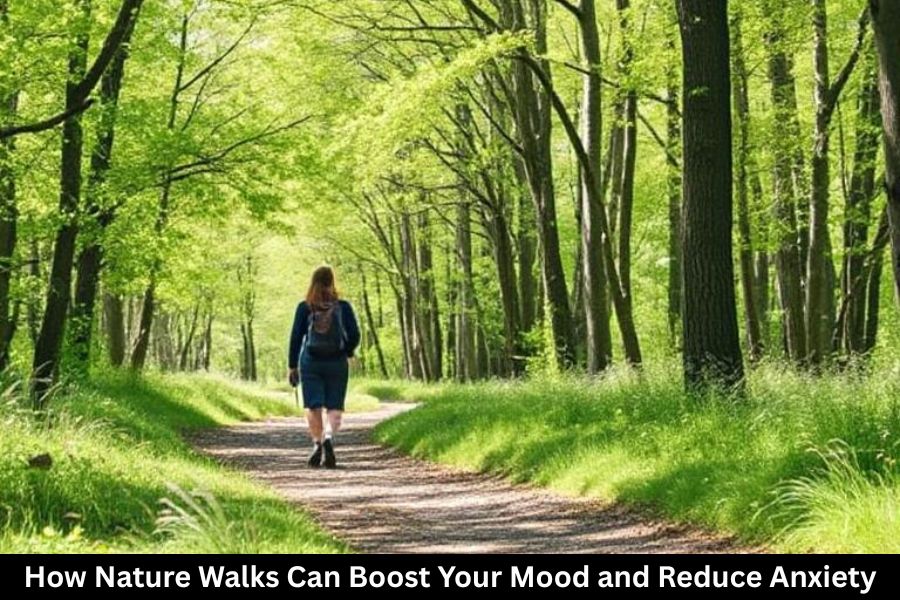
Ever noticed how a walk outside feels different from pacing around indoors? There’s something about trees, fresh air, and open space that makes your shoulders drop and your mind breathe a little easier. That’s not your imagination. Nature has a powerful effect on mental health, and walking is one of the simplest ways to tap into it.
Why Humans Are Drawn to Nature
Humans evolved in nature. For most of our history, trees were our ceilings and the sky was our roof. Deep down, our brains still crave that environment. When we step outside, it feels familiar, safe, and grounding.
The Modern Stress Problem
Today, we’re surrounded by screens, noise, and constant notifications. Our nervous systems are always “on.” Nature walks act like a reset button in a world that rarely pauses.
Understanding Anxiety and Mood Disorders
What Anxiety Really Feels Like
Anxiety isn’t just worry. It’s a full-body experience. Racing thoughts, tight chest, shallow breathing, and a constant sense of unease. It’s exhausting.
How Lifestyle Impacts Mental Health
Sleep, movement, diet, and environment all play major roles. Nature walks sit right at the intersection of movement and environment, making them especially powerful.
The Science Behind Nature Walks
What Happens in the Brain During a Nature Walk
Studies show that spending time in nature reduces activity in the part of the brain linked to rumination, that loop of negative thoughts we can’t seem to escape.
Stress Hormones and Cortisol Reduction
Nature exposure lowers cortisol, the body’s main stress hormone. Less cortisol means less tension, fewer anxious thoughts, and better emotional balance.
Nature vs Urban Environments
Walking is great anywhere, but walking in nature delivers stronger mental health benefits than walking in busy city streets filled with traffic and noise.
How Nature Walks Improve Mood
Dopamine, Serotonin, and Endorphins
Nature walks increase feel-good chemicals in the brain. These neurotransmitters are the same ones targeted by many antidepressants.
Natural Light and Circadian Rhythm
Sunlight helps regulate your sleep-wake cycle. Better sleep leads to better mood. It’s a domino effect in the best way.
Fresh Air and Oxygen Intake
Clean air improves oxygen flow to the brain, helping you feel more alert, calm, and balanced.
Nature Walks and Anxiety Reduction
Slowing Down the Nervous System
Nature shifts your body from “fight or flight” into “rest and digest.” Your heart rate slows, breathing deepens, and muscles relax.
Mindfulness Through Movement
Walking in nature naturally pulls you into the present moment. The sound of leaves, birds, or water anchors your attention.
Grounding Effects of Natural Surroundings
Nature grounds you physically and emotionally. It reminds your body that you’re safe right now.
Emotional Benefits of Walking in Nature
Improved Self-Esteem
Completing a walk, even a short one, builds a sense of accomplishment. Nature doesn’t judge. It simply welcomes you.
Emotional Regulation and Calmness
Regular nature walks help you respond to stress instead of reacting to it.
Physical Movement as a Mental Health Tool
Walking vs Intense Exercise
High-intensity workouts are great, but gentle walking is more accessible and sustainable, especially during anxious periods.
Why Gentle Movement Works Best
Walking doesn’t spike stress hormones. It soothes them.
Nature Walks and Cognitive Function
Improved Focus and Creativity
Nature restores mental energy. Many people report clearer thinking and better problem-solving after a walk outside.
Reducing Mental Fatigue
Nature gives your brain a break from constant stimulation.
Social Benefits of Nature Walks
Walking Alone vs With Others
Solo walks encourage reflection. Group walks build connection. Both are valuable.
Building Deeper Connections Outdoors
Conversations flow more naturally when walking side by side.
Nature Walks for Different Age Groups
Benefits for Children and Teens
Nature supports emotional development, focus, and resilience in young minds.
Benefits for Adults and Seniors
It improves mobility, mood, and cognitive health at any age.
Urban Nature Still Counts
Parks, Gardens, and Green Spaces
You don’t need a forest. A park, tree-lined street, or garden works just fine.
Making the Most of Limited Nature
Look for green wherever you can find it. Even small doses help.
How Often and How Long Should You Walk?
Ideal Duration for Mental Benefits
Even 10–20 minutes can make a difference.
Consistency Over Intensity
Regular short walks beat occasional long ones.
Simple Tips to Maximize the Benefits
Leave the Phone Behind
Disconnect to fully connect with your surroundings.
Engage All Your Senses
Notice colors, sounds, smells, and textures.
Breathing Techniques While Walking
Slow, deep breaths amplify relaxation.
Barriers and Common Excuses
“I Don’t Have Time”
Nature walks don’t need to be long. They just need to happen.
Making Nature Walks a Habit
Schedule them like any other self-care practice.
Final Verdict
Why Nature Walks Are One of the Best Mental Health Tools
They’re free, accessible, and incredibly effective.
Conclusion
Nature walks are one of the simplest yet most powerful tools for improving mood and reducing anxiety. They combine movement, mindfulness, and environment into one gentle practice that supports both mind and body. You don’t need special equipment or perfect conditions. Just step outside, take a breath, and let nature do what it’s always done best: heal.
FAQs
1. How long does it take to feel benefits from nature walks?
Many people feel calmer after just one walk.
2. Do nature walks help with panic attacks?
They can reduce overall anxiety and help prevent frequent episodes.
3. Is walking indoors as effective as outdoors?
Outdoor walks provide stronger mental health benefits.
4. Can nature walks replace therapy or medication?
They support mental health but should complement professional care.
5. What if I don’t enjoy walking?
Try slow strolls, sitting in nature, or combining walks with music or podcasts.