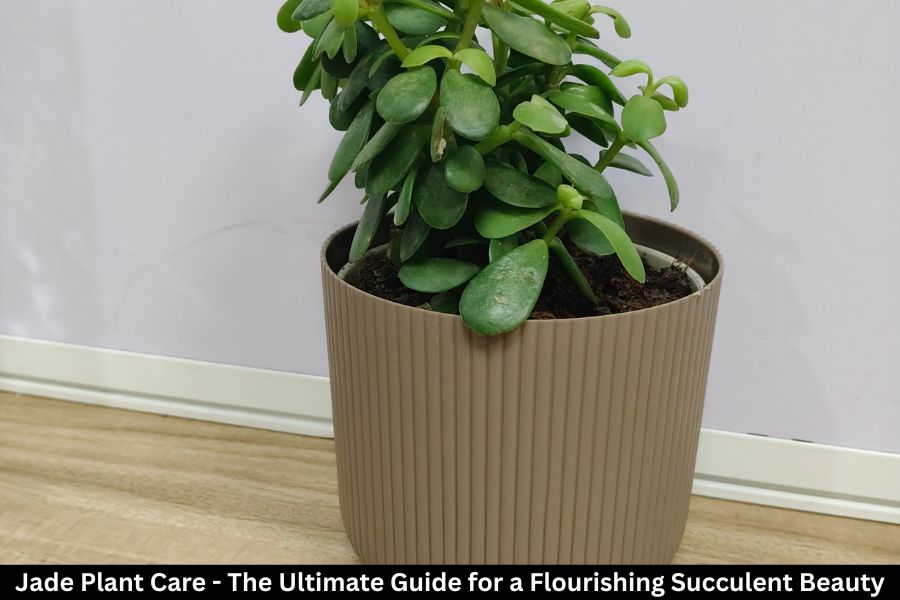
The jade plant is the kind of houseplant that feels like a loyal friend. It doesn’t ask for much, forgives the occasional mistake, and rewards you with glossy green leaves that look almost too perfect to be real. Whether you’re a beginner or a seasoned plant parent, jade plants have a way of fitting right in.
What Is a Jade Plant?
The jade plant, scientifically known as Crassula ovata, is a succulent native to Southern Africa. It stores water in its thick leaves, which gives it that plump, shiny look—and its reputation for being low maintenance.
Why Jade Plants Are So Popular
Easy care, long lifespan, and symbolic meaning. Jade plants are often associated with good luck, prosperity, and positive energy. Basically, they’re beautiful and meaningful.
Types of Jade Plants You Should Know
Crassula Ovata (Classic Jade Plant)
This is the most common variety. Oval-shaped leaves, woody stems, and a tree-like appearance as it matures.
Dwarf Jade and Other Varieties
Dwarf jade plants stay compact, making them perfect for desks and small spaces. Other varieties offer unique leaf shapes or colors.
Choosing the Right Jade for Your Space
If you want a statement plant, go classic. If space is tight, dwarf varieties are your best bet.
Understanding the Natural Habitat of Jade Plants
Where Jade Plants Come From
In the wild, jade plants grow in dry, rocky environments with plenty of sunlight and minimal rainfall.
How Nature Influences Care Needs
Think desert-lite. Bright light, well-draining soil, and infrequent watering mimic their natural conditions.
Ideal Light Conditions for Jade Plants
Indoor Light Requirements
Jade plants love bright, indirect light. A south- or west-facing window is ideal.
Outdoor Sun Exposure
They can handle direct sunlight outdoors, but sudden exposure can scorch the leaves.
Signs of Too Much or Too Little Light
Too little light leads to leggy growth. Too much causes red edges or sunburn.
Watering Jade Plants the Right Way
How Often to Water a Jade Plant
Water only when the soil is completely dry. For most homes, that’s every 2–3 weeks.
Overwatering vs Underwatering Symptoms
Overwatering causes mushy leaves and root rot. Underwatering leads to wrinkled, shriveled leaves.
Best Soil for Jade Plant Growth
Why Drainage Matters
Jade plant roots hate sitting in water. Poor drainage is their biggest enemy.
DIY Succulent Soil Mix
Mix regular potting soil with sand or perlite for fast drainage.
Choosing the Perfect Pot
Pot Size and Material
Terracotta pots are ideal because they absorb excess moisture.
Importance of Drainage Holes
No drainage hole? No jade plant. It’s that simple.
Temperature and Humidity Needs
Ideal Temperature Range
Jade plants prefer temperatures between 65–75°F (18–24°C).
Seasonal Adjustments
In winter, reduce watering and keep them away from cold drafts.
Fertilizing Jade Plants
When and How to Fertilize
Feed once every 2–3 months during spring and summer using a diluted succulent fertilizer.
Common Fertilizing Mistakes
Overfertilizing leads to weak growth. Less is more here.
Pruning and Shaping Your Jade Plant
Why Pruning Encourages Growth
Pruning helps maintain shape and encourages branching.
How to Prune Safely
Use clean, sharp scissors and cut just above a leaf node.
Propagating Jade Plants
Leaf Propagation
Simply let a healthy leaf callous over, then place it on soil.
Stem Cuttings
Cut a stem, let it dry for a few days, then plant it.
Tips for Successful Propagation
Patience is key. New roots take time.
Common Jade Plant Problems
Pests and Diseases
Mealybugs and aphids are the most common pests. Neem oil works wonders.
Fixing Drooping or Wrinkled Leaves
Adjust watering and light—these two usually solve the problem.
Jade Plant Feng Shui and Symbolism
Meaning of the Jade Plant
Often called the “money plant,” it symbolizes wealth and success.
Where to Place It for Good Luck
Near entrances or in offices is believed to attract prosperity.
Indoor vs Outdoor Jade Plant Care
Key Differences
Outdoor jade plants need more sunlight and protection from frost.
Seasonal Transitions
Gradually move plants when changing environments to avoid shock.
How to Make Your Jade Plant Thrive Long-Term
Consistency Is the Secret
Stick to a routine. Jade plants love predictability more than pampering.
Conclusion
Jade plants are the perfect mix of beauty and simplicity. With the right light, minimal watering, and well-draining soil, they can live for decades—sometimes even outliving their owners. Treat them right, and they’ll reward you with lush growth, positive energy, and timeless charm.
Frequently Asked Questions (FAQs)
1. How long do jade plants live?
Jade plants can live for decades with proper care.
2. Can jade plants survive low light?
They can survive, but they won’t thrive. Bright light is best.
3. How do I know if my jade plant needs water?
Check if the soil is completely dry and leaves feel slightly soft.
4. Are jade plants toxic to pets?
Yes, they can be mildly toxic to cats and dogs if ingested.
5. Why are my jade plant leaves falling off?
Usually due to overwatering, sudden temperature changes, or lack of light.