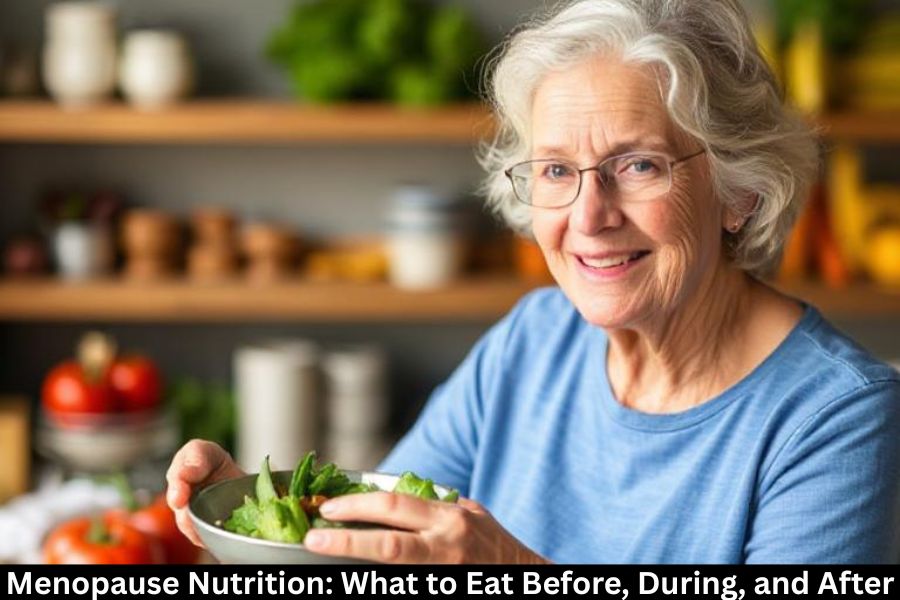
Menopause isn’t a sudden event—it’s a journey. And like any journey, what fuels you along the way makes all the difference. Nutrition during menopause isn’t about restriction or dieting; it’s about nourishment, balance, and working with your changing body instead of fighting it.
Why Nutrition Matters During Hormonal Changes
As estrogen levels shift, everything from metabolism to bone strength to mood can feel different. The right foods act like supportive friends, helping smooth the transition and reduce uncomfortable symptoms.
Understanding the Three Stages of Menopause
Menopause has three phases: perimenopause (before), menopause (during), and postmenopause (after). Each stage brings unique nutritional needs, and adjusting your diet accordingly can be a game changer.
The Role of Hormones in Menopause
Estrogen Decline and Metabolic Changes
Estrogen influences how your body stores fat, regulates blood sugar, and protects bones. When levels drop, metabolism slows and fat distribution shifts—often toward the abdomen.
How Hormones Affect Weight, Mood, and Bones
Lower estrogen can mean mood swings, sleep issues, bone loss, and stubborn weight gain. Nutrition helps soften these effects by stabilizing blood sugar and reducing inflammation.
Nutrition Before Menopause (Perimenopause)
Supporting Hormone Balance Early
Perimenopause is the warm-up act. Hormones start fluctuating, but smart nutrition can help keep things steady.
Key Nutrients to Focus On
Calcium and Vitamin D
These nutrients lay the foundation for strong bones before estrogen declines further.
B Vitamins and Magnesium
B vitamins support energy and mood, while magnesium helps with sleep and stress.
Best Foods to Eat Before Menopause
Protein for Muscle and Metabolism
Lean protein from eggs, fish, beans, and poultry supports muscle mass and keeps metabolism humming.
Healthy Fats for Hormonal Support
Avocados, olive oil, nuts, and seeds help regulate hormones and reduce inflammation.
Fiber-Rich Foods for Gut Health
Whole grains, vegetables, and legumes stabilize blood sugar and support digestion.
Nutrition During Menopause
Managing Hot Flashes and Night Sweats
Certain foods can either cool the fire—or fan the flames. Balanced meals help regulate body temperature and reduce flare-ups.
Blood Sugar Balance and Energy Levels
Blood sugar spikes worsen fatigue and irritability. Eating regular, balanced meals prevents crashes.
Best Foods to Eat During Menopause
Phytoestrogen-Rich Foods
Foods like flaxseeds, soy, and chickpeas contain plant estrogens that gently support hormonal balance.
Anti-Inflammatory Foods
Fatty fish, berries, leafy greens, and turmeric calm inflammation and support heart health.
Hydrating Foods and Fluids
Cucumbers, soups, fruits, and water help manage bloating and temperature regulation.
Nutrition After Menopause
Supporting Bone Density and Heart Health
After menopause, bone loss accelerates and heart disease risk increases. Nutrition becomes protective armor.
Preventing Weight Gain and Muscle Loss
Protein and strength-supporting foods are essential to preserve lean muscle.
Best Foods to Eat After Menopause
Calcium-Rich Foods
Dairy, fortified plant milks, leafy greens, and sesame seeds strengthen bones.
Lean Protein and Strength Foods
Fish, tofu, legumes, and Greek yogurt support muscle and metabolic health.
Foods to Limit or Avoid During Menopause
Sugar and Refined Carbohydrates
These cause blood sugar spikes that worsen hot flashes and weight gain.
Caffeine and Alcohol
Both can trigger hot flashes, disrupt sleep, and increase anxiety when consumed excessively.
Supplements and Menopause Nutrition
When Supplements Are Helpful
Vitamin D, calcium, magnesium, and omega-3s may be beneficial when diet falls short.
Safety and Professional Guidance
Supplements should complement—not replace—food. Always consult a healthcare provider.
Lifestyle Habits That Support Menopause Nutrition
Exercise and Movement
Strength training protects bones and muscle, while walking and yoga reduce stress.
Sleep, Stress, and Mindful Eating
Quality sleep and stress management improve hormonal balance and appetite regulation.
Common Nutrition Myths About Menopause
Separating Facts from Fiction
Menopause doesn’t doom you to weight gain. Smart nutrition and movement make a powerful difference.
Conclusion
Menopause is a new chapter, not an ending. By nourishing your body with the right foods before, during, and after menopause, you build resilience, strength, and confidence. Think of nutrition as your daily self-care ritual—one that supports you through every hormonal shift and helps you feel your best for years to come.
FAQs
1. Can diet really reduce menopause symptoms?
Yes, balanced nutrition significantly improves hot flashes, mood, and energy.
2. Is soy safe during menopause?
For most women, moderate soy intake is safe and beneficial.
3. Should calorie intake decrease after menopause?
Focus on nutrient density rather than strict calorie cutting.
4. How much protein is ideal during menopause?
Aim for protein at every meal to support muscle and metabolism.
5. Can menopause nutrition help with weight loss?
Yes, the right foods stabilize hormones and support healthy weight management.