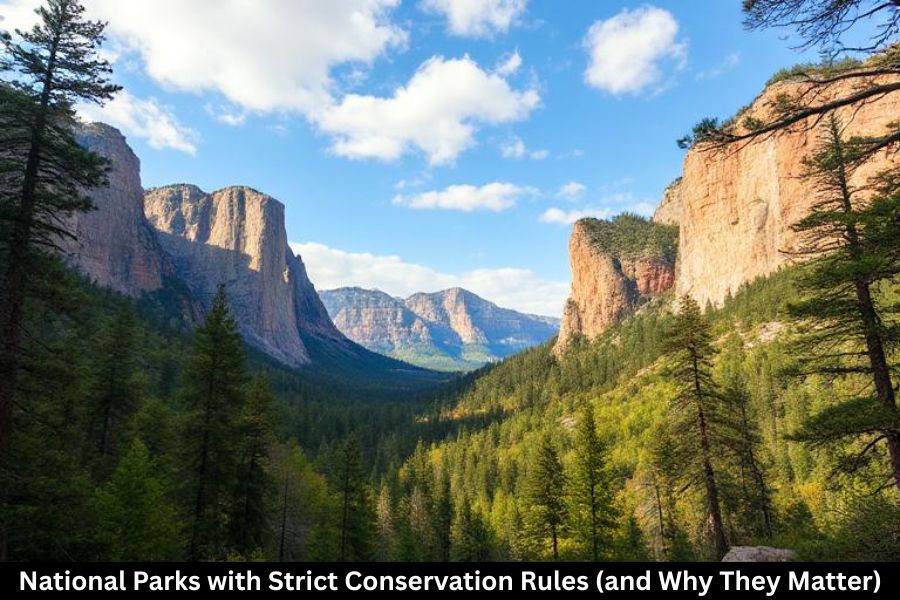
National parks are often seen as playgrounds for nature lovers—places to hike, camp, snap photos, and breathe fresh air. But behind those postcard-perfect views lies a serious mission. Some national parks operate under strict conservation rules, and no, it’s not to spoil your fun. It’s to save what’s left of our wild planet.
What Makes a National Park “Strictly Protected”?
A strictly protected national park is like a high-security vault for nature. Human activity is carefully controlled, sometimes even limited to guided visits only. No random wandering. No picking plants. No feeding animals. Every rule exists for one reason: to let nature stay wild.
Conservation vs. Tourism: Finding the Balance
Think of it like visiting a museum with priceless artifacts. You can look, admire, and learn—but touching is off-limits. Strict conservation parks work the same way. Tourism is allowed, but only if it doesn’t interfere with the ecosystem’s health.
Why Strict Conservation Rules Exist
Protecting Fragile Ecosystems
Some ecosystems are so delicate that a single misstep can cause lasting damage. Alpine meadows, coral reefs, and rainforests don’t bounce back easily. Strict rules act as a safety net, preventing irreversible harm.
Preserving Endangered Species
Many national parks are the last safe havens for endangered species. Without firm rules, poaching, habitat destruction, and human interference would push these animals closer to extinction.
Maintaining Natural Processes
Nature has its own rhythm—predation, migration, decay, and renewal. Human interference can disrupt these processes. Strict conservation allows ecosystems to function as they were meant to.
The Role of Biodiversity in National Parks
Biodiversity as Nature’s Safety Net
The more diverse an ecosystem is, the stronger it becomes. Biodiversity helps ecosystems adapt to changes, resist diseases, and recover from disasters.
Keystone Species and Ecosystem Stability
Some species play outsized roles. Remove them, and the whole system collapses—like pulling a single brick from a Jenga tower. Strict protection ensures these keystone species survive.
Human Impact on Natural Landscapes
Overtourism and Its Consequences
Too many visitors can be just as harmful as pollution. Trampled vegetation, disturbed wildlife, and eroded trails are common side effects of unmanaged tourism.
Pollution, Poaching, and Habitat Loss
Even small actions—like leaving trash or going off-trail—add up. Strict rules minimize these risks and keep ecosystems intact.
Famous National Parks with Strict Conservation Rules
Galápagos National Park (Ecuador)
Visitors must follow guided tours, stick to marked paths, and maintain distance from wildlife. These rules protect species found nowhere else on Earth.
Yellowstone National Park (USA)
Feeding animals is strictly prohibited. Why? Because a fed animal is a dead animal—habituation leads to dangerous encounters and often euthanasia.
Bwindi Impenetrable National Park (Uganda)
Home to mountain gorillas, visitor numbers are tightly controlled to prevent disease transmission and stress on these gentle giants.
Great Barrier Reef Marine Park (Australia)
Fishing restrictions, no-anchor zones, and limited access areas protect the world’s largest coral reef system.
Rules You Might Find in Strictly Protected Parks
Limited Visitor Numbers
Less foot traffic means less damage. Some parks cap daily visitors to preserve the environment.
Restricted Access Zones
Certain areas are completely off-limits to humans, giving wildlife a safe space to thrive.
No-Touch, No-Take Policies
No souvenirs, no exceptions. Even a single shell or flower plays a role in the ecosystem.
How These Rules Help Wildlife
Reduced Stress on Animals
Animals that aren’t constantly disturbed behave more naturally—feeding, breeding, and migrating as they should.
Safer Breeding and Migration Patterns
Protected habitats allow species to reproduce and migrate without obstacles, ensuring population stability.
How Strict Conservation Benefits Humans
Long-Term Ecotourism Opportunities
Healthy parks attract visitors for generations. Short-term freedom would destroy long-term value.
Scientific Research and Education
Strictly protected parks serve as living laboratories, helping scientists understand climate change, evolution, and conservation.
Indigenous Communities and Conservation
Traditional Knowledge as a Conservation Tool
Indigenous communities have protected land for centuries. Their knowledge often forms the backbone of modern conservation strategies.
Co-Management of National Parks
Many parks now involve local communities in decision-making, blending tradition with science.
Climate Change and the Need for Stronger Protection
Parks as Climate Refuges
As temperatures rise, national parks offer safe zones for species forced to migrate.
Carbon Storage and Natural Climate Regulation
Forests, wetlands, and oceans absorb carbon. Protecting them helps slow climate change.
The Economic Argument for Strict Conservation
Short-Term Loss, Long-Term Gain
Yes, strict rules can limit visitor numbers. But they also ensure parks remain attractive and functional forever.
Sustainable Tourism Models
Quality over quantity. Fewer visitors, better experiences, higher value.
Common Criticism of Strict Conservation Rules
“Too Many Rules for Visitors?”
Rules aren’t barriers—they’re guidelines that keep parks alive.
Access vs. Preservation Debate
Not everyone can go everywhere, and that’s okay. Preservation comes first.
How Visitors Can Support Conservation Efforts
Responsible Travel Practices
Follow rules, respect wildlife, and leave no trace.
Supporting Conservation Programs
Park fees and donations directly fund protection efforts.
The Future of National Parks
Technology in Conservation
Drones, GPS tracking, and AI help monitor wildlife and prevent illegal activities.
Global Cooperation and Policy
Conservation doesn’t stop at borders. Global collaboration is essential.
Why These Parks Matter More Than Ever
Lessons for Urban Life
National parks remind us what balance looks like—and what we risk losing.
Protecting Nature for Future Generations
Strict conservation ensures that our children and grandchildren inherit a living planet, not just stories.
Conclusion
National parks with strict conservation rules aren’t restrictive—they’re protective. They shield fragile ecosystems, safeguard endangered species, and preserve the natural processes that keep our planet alive. In a world racing toward development, these parks stand still, reminding us that some things are worth protecting at all costs. Respecting the rules isn’t a sacrifice; it’s a responsibility.
FAQs
1. Why are some national parks stricter than others?
Because certain ecosystems and species are more fragile and require higher levels of protection.
2. Do strict rules reduce tourism revenue?
In the short term, maybe. Long term, they ensure sustainable and higher-quality tourism.
3. Can local communities benefit from strict conservation parks?
Yes. Many parks involve communities through jobs, education, and co-management.
4. Are strict conservation rules scientifically proven to work?
Absolutely. Protected areas show higher biodiversity and ecosystem stability.
5. How can tourists help support strict conservation efforts?
By following park rules, traveling responsibly, and supporting conservation initiatives.