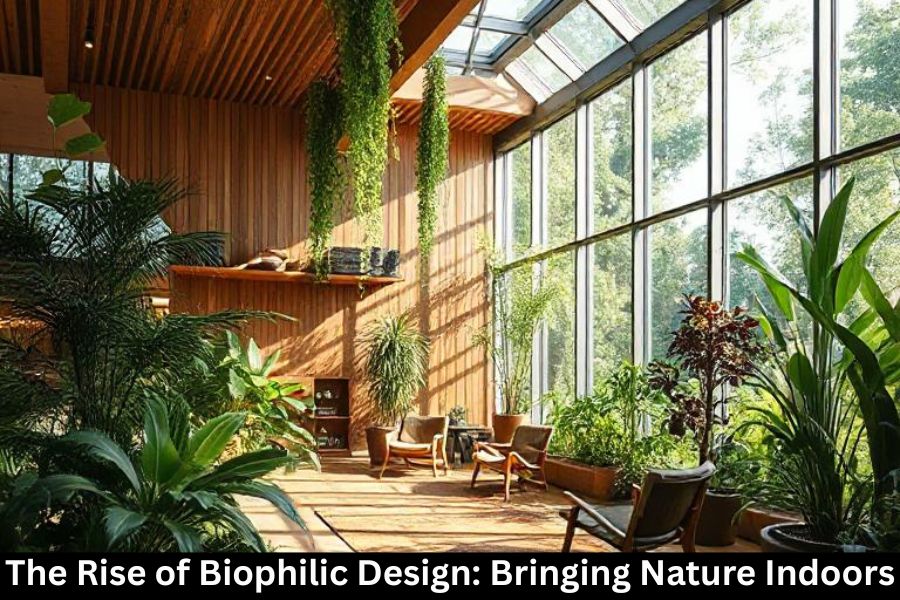
Step into a room filled with sunlight, leafy plants, natural textures, and fresh air. Feels good, right? That feeling isn’t accidental—it’s biophilic design at work. In a world dominated by concrete, screens, and artificial lighting, biophilic design is quietly staging a comeback, reminding us of something deeply human: we thrive when we’re connected to nature.
What Does “Biophilic” Really Mean?
The term “biophilia” literally means “love of life.” Coined by biologist E.O. Wilson, it describes our innate tendency to seek connections with nature and other forms of life. Biophilic design takes that idea and translates it into physical spaces—homes, offices, schools, and hospitals—that intentionally bring nature indoors.
Why Humans Are Wired to Love Nature
Think about it. For over 99% of human history, we lived outdoors or closely connected to the natural world. Our brains evolved under open skies, surrounded by greenery, water, and natural rhythms. Modern buildings often ignore that reality, and biophilic design is our way of correcting course.
The Origins and Evolution of Biophilic Design
Biophilic design may sound trendy, but it’s far from new.
Ancient Roots of Nature-Inspired Architecture
Ancient civilizations understood the power of nature instinctively. Roman villas featured courtyards and gardens. Traditional Japanese homes blurred the line between indoors and outdoors. Even ancient temples were aligned with natural light and landscapes.
The Modern Biophilic Design Movement
Fast forward to the 20th century. Rapid urbanization and industrialization pushed nature out of daily life. Steel, glass, and fluorescent lights took over. By the early 2000s, designers and scientists began noticing the toll this took on mental and physical health—sparking renewed interest in biophilic principles.
The Role of Urbanization in Its Rise
As cities grew denser and greener spaces shrank, the desire to reconnect with nature intensified. Biophilic design emerged not just as an aesthetic choice, but as a necessity for healthier urban living.
Why Biophilic Design Is Gaining Popularity
Biophilic design isn’t just about making spaces look pretty. It delivers real, measurable benefits.
The Mental Health Connection
Nature reduces stress, anxiety, and depression. Even brief exposure to natural elements—like plants or daylight—can lower cortisol levels and improve mood. In a high-stress world, that’s priceless.
Productivity and Performance Benefits
Ever notice how ideas flow better near a window or in a park? Studies show biophilic environments improve focus, creativity, and cognitive performance. That’s why companies are investing heavily in nature-inspired offices.
Sustainability and Eco-Conscious Living
Biophilic design often goes hand-in-hand with sustainable practices. Natural ventilation, daylighting, and eco-friendly materials reduce energy use while creating healthier spaces.
Core Principles of Biophilic Design
Biophilic design is guided by a few key principles that shape how nature is integrated into built environments.
Direct Connections to Nature
This includes real, tangible elements like plants, water features, sunlight, and fresh air. Think indoor gardens, skylights, or a small fountain.
Indirect Connections to Nature
Not every space can house a tree. Indirect connections use natural colors, patterns, textures, and materials that mimic nature—like wood grains or stone finishes.
Spatial and Place-Based Experiences
This principle focuses on how spaces feel. Open layouts, natural flow, and a sense of refuge or prospect mirror how we experience landscapes outdoors.
Key Elements of Biophilic Interior Design
Let’s get practical. What actually makes a space biophilic?
Natural Light and Ventilation
Sunlight is the backbone of biophilic design. Large windows, skylights, and open layouts maximize daylight while reducing reliance on artificial lighting.
Indoor Plants and Living Walls
Plants aren’t just décor. They improve air quality, regulate humidity, and create visual comfort. Living walls take this to the next level, turning greenery into art.
Natural Materials and Textures
Nature has a texture you can feel.
Wood, Stone, and Organic Fabrics
Using materials like reclaimed wood, bamboo, stone, wool, or linen brings warmth and authenticity that synthetic materials can’t replicate.
Biophilic Design in Residential Spaces
Your home should feel like a sanctuary, not a sealed box.
Living Rooms That Breathe
Open layouts, large windows, plants, and natural color palettes create living spaces that feel calm and inviting.
Bedrooms Inspired by Nature
Soft lighting, natural fabrics, and earthy tones help signal your brain that it’s time to rest—like sleeping under the stars, minus the bugs.
Kitchens and Dining Areas with Organic Warmth
Wooden countertops, herb gardens, and natural light make kitchens feel alive and welcoming.
Biophilic Design in Workspaces
The office doesn’t have to feel like a cage.
Offices That Boost Creativity
Biophilic offices often include green walls, natural materials, and breakout spaces inspired by outdoor environments.
Reducing Stress and Burnout at Work
Nature-inspired spaces help employees feel calmer and more engaged, reducing absenteeism and burnout.
Case Studies of Biophilic Offices
Global companies like Google and Amazon have embraced biophilic design, reporting higher employee satisfaction and productivity.
Biophilic Design in Healthcare and Education
Some environments need nature more than others.
Healing Through Nature in Hospitals
Patients recover faster and experience less pain when exposed to natural views, sunlight, and greenery.
Enhancing Learning Environments
Classrooms with natural light and views of nature improve concentration, behavior, and academic performance.
The Science Behind Biophilic Design
This isn’t just a design trend—it’s backed by science.
How Nature Affects the Brain
Nature activates the parasympathetic nervous system, promoting relaxation and mental clarity.
Proven Psychological and Physiological Benefits
Lower blood pressure, improved sleep, better mood, and enhanced immune response are just a few documented benefits.
Biophilic Design and Sustainability
Biophilic design and sustainability go hand in hand.
Energy Efficiency and Natural Cooling
Strategic shading, ventilation, and daylight reduce energy consumption and carbon footprints.
Supporting Biodiversity Indoors
Indoor plants and green systems can support micro-ecosystems, even within dense urban environments.
How to Incorporate Biophilic Design at Home
You don’t need a renovation budget to start.
Simple Changes Anyone Can Make
Add plants, open your windows, switch to natural fabrics, and rearrange furniture to maximize light.
Budget-Friendly Biophilic Ideas
Even a small herb garden or nature-inspired artwork can make a big difference.
Small Spaces, Big Impact
Vertical gardens, mirrors reflecting greenery, and multifunctional furniture help bring nature into compact homes.
Common Mistakes to Avoid
More isn’t always better.
Overdoing the Greenery
Too many plants without proper care can feel cluttered and overwhelming.
Ignoring Maintenance Needs
Choose plants and materials that suit your lifestyle and environment.
Biophilic Design Trends in 2025 and Beyond
The future looks green.
Smart Biophilic Homes
Technology is being integrated to optimize light, air quality, and plant care automatically.
Hybrid Indoor-Outdoor Living
Sliding walls, terraces, and indoor courtyards are blurring boundaries like never before.
Challenges and Limitations
Biophilic design isn’t without hurdles.
Cost and Accessibility
Some features can be expensive upfront, though they often pay off long-term.
Climate and Regional Constraints
Not all plants or materials work in every climate, requiring thoughtful selection.
The Future of Biophilic Design
As cities grow, biophilic design will shape how we live.
Cities That Feel Like Forests
Urban planners are embracing green buildings, vertical forests, and nature-integrated infrastructure.
A Shift in How We Define Comfort
Comfort is no longer just temperature—it’s light, air, texture, and connection.
Conclusion: Reconnecting With Nature, One Space at a Time
Biophilic design isn’t about turning your home into a jungle. It’s about honoring our deep-rooted connection to nature and designing spaces that support how we truly live, work, and feel. In a fast-paced, digital world, bringing nature indoors might be the most human thing we can do.
Frequently Asked Questions (FAQs)
1. What is biophilic design in simple terms?
Biophilic design is an approach to interior and architectural design that brings natural elements into built spaces to improve well-being.
2. Is biophilic design expensive?
Not necessarily. Simple additions like plants, natural light, and organic materials can be very affordable.
3. Can biophilic design work in small apartments?
Absolutely. Vertical gardens, natural colors, and smart layouts make it ideal for small spaces.
4. Does biophilic design really improve mental health?
Yes. Research shows it reduces stress, improves mood, and enhances cognitive function.
5. What’s the difference between green design and biophilic design?
Green design focuses on sustainability and energy efficiency, while biophilic design emphasizes human-nature connection—though they often overlap.