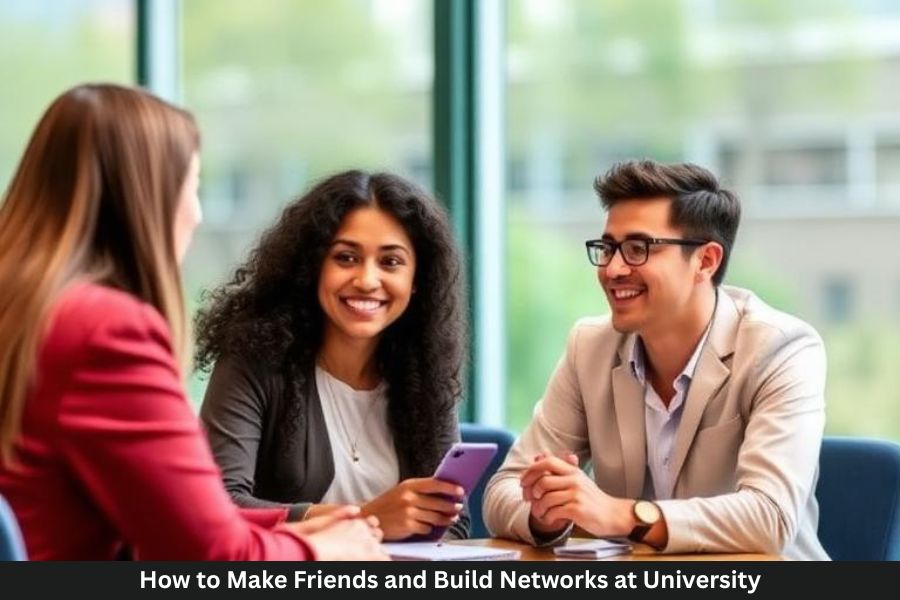
University isn’t just about lectures, exams, and deadlines. It’s more like a giant social laboratory where people from different cities, cultures, and backgrounds collide under one roof. Where else do you find thousands of people your age, all starting fresh at the same time? It’s a once-in-a-lifetime setting that makes forming friendships and networks easier than almost anywhere else in adulthood.
The Importance of Friends and Networks
Friends help you survive university. Networks help you thrive after it. While friends give you emotional support, laughter, and shared memories, networks open doors to internships, jobs, and opportunities you didn’t even know existed. Together, they shape your personal and professional future.
Understanding the Challenges of Making Friends
Common Fears and Social Anxiety
Let’s be honest—almost everyone feels awkward at first. The fear of saying the wrong thing, being judged, or not fitting in can be paralyzing. The funny part? Most people around you are feeling the exact same way.
Cultural and Background Differences
University brings together people with different accents, beliefs, habits, and humor. While this diversity is powerful, it can feel intimidating. The key is curiosity instead of comparison.
Overcoming the Fear of Rejection
Think of rejection like a missed bus. Annoying? Yes. Life-ending? Not even close. Not every conversation will click, and that’s normal. Each attempt builds confidence, just like reps at the gym build muscle.
Shifting Your Mindset for Social Success
From Isolation to Opportunity
Stop seeing university as a lonely battlefield. See it as an open marketplace of connections. Every lecture, event, or coffee line is an opportunity waiting to happen.
Building Confidence One Step at a Time
Confidence isn’t loud. It’s quiet consistency. Smile, introduce yourself, and show up regularly. Small actions compound faster than you think.
Making Friends in Your First Weeks
Orientation Week and Icebreaker Events
Orientation events exist for one reason: connection. Yes, they might feel cheesy, but they work. Everyone there is open, available, and actively looking to meet others.
Starting Conversations the Easy Way
You don’t need a perfect opening line. A simple “Hey, where are you from?” or “What’s your major?” is more than enough.
Simple Conversation Starters That Work
- “Is this your first year too?”
- “Have you figured out the campus yet?”
- “What do you think of this class so far?”
Using Classes as a Social Tool
Talking to Classmates Before and After Lectures
Arrive a few minutes early or linger after class. These unstructured moments are gold for casual conversation.
Forming or Joining Study Groups
Study groups are friendship incubators. You suffer together, laugh together, and usually bond faster than expected.
Turning Group Projects into Friendships
Instead of splitting tasks and disappearing, suggest working together in person. Shared effort builds trust.
Joining Clubs, Societies, and Organizations
Finding Clubs That Match Your Interests
Whether it’s sports, music, gaming, debate, or volunteering—there’s a club for it. Shared interests remove half the social pressure instantly.
Benefits of Being an Active Member
Active participation makes you visible. People recognize you, remember you, and naturally connect with you.
Leadership Roles and Visibility
Taking responsibility in a club boosts confidence and expands your network faster than passive membership.
Building Friendships in Student Housing
Dorm Life and Shared Spaces
Dorms are friendship factories. Kitchens, lounges, and laundry rooms are accidental meeting spots.
Being a Good Neighbor
Small gestures—sharing snacks, helping out, or just saying hi—go a long way.
Creating Micro-Communities
Movie nights, group dinners, or study sessions can turn strangers into a tight-knit circle.
Networking with Professors and Staff
Why Academic Networking Matters
Professors aren’t just teachers. They’re industry experts, researchers, and connectors.
Office Hours and Professional Relationships
Office hours are underused and incredibly powerful. Ask questions, show interest, and be memorable.
Long-Term Benefits of Faculty Connections
Strong academic relationships lead to references, recommendations, and research opportunities.
Leveraging Social Media and Technology
University WhatsApp and Facebook Groups
These groups are digital noticeboards for events, housing, and social activities.
LinkedIn for Students
Start early. Connect with classmates, alumni, and professors. Your future self will thank you.
Online to Offline Connections
Use online interactions as a bridge, not a replacement, for real-world relationships.
Attending Events and Workshops
Career Fairs and Networking Events
These events aren’t just for jobs—they’re for people. Talk, listen, and exchange contacts.
Volunteering and Community Engagement
Volunteering connects you with purpose-driven people and strengthens your social impact.
Following Up After Events
A simple follow-up message can turn a short conversation into a long-term connection.
Maintaining and Deepening Friendships
Consistency and Communication
Friendships fade without effort. Regular check-ins keep bonds strong.
Balancing Academics and Social Life
You don’t need to attend everything. Choose meaningful connections over constant busyness.
Handling Conflicts Maturely
Disagreements happen. Honest communication resolves more than silence ever will.
Networking for Career Growth
Building a Personal Brand at University
Be known for something—reliability, creativity, leadership. Reputation spreads fast.
Alumni Networks and Mentorship
Alumni have walked your path already. Learn from their mistakes and successes.
Turning Connections into Opportunities
Opportunities often come from conversations, not applications.
Making Friends as an Introvert
Playing to Your Strengths
Listening, empathy, and depth are superpowers. Use them.
Quality Over Quantity
A few meaningful friendships beat dozens of shallow ones.
Low-Energy Social Strategies
One-on-one coffee chats can be more powerful than loud parties.
Avoiding Common Social Mistakes
Trying Too Hard
Authenticity attracts. Desperation repels.
Neglecting Boundaries
Respect your time and others’. Healthy boundaries build respect.
Learning from Awkward Moments
Every awkward moment is a lesson, not a failure.
Long-Term Value of University Networks
Friends Beyond Graduation
Some friendships last decades. University is where many lifelong bonds begin.
Professional and Personal Growth
Your network shapes how you think, work, and grow.
Lifelong Learning Through People
People remain your greatest teachers long after graduation.
Conclusion
Turning University into a Social Launchpad
Making friends and building networks at university isn’t about being perfect or popular. It’s about showing up, being curious, and staying open. Treat every interaction as a seed. Some will grow, some won’t—but enough will bloom to change your life in ways you can’t yet imagine.
FAQs
1. Is it too late to make friends after first year?
Not at all. Friendships can form at any stage of university.
2. How many friends should I aim to have?
There’s no number. Focus on meaningful connections.
3. What if I’m shy and socially anxious?
Start small. Confidence grows through action, not waiting.
4. Are online friendships at university valuable?
Yes, especially when they lead to offline interactions.
5. Can networking really help my career?
Absolutely. Many opportunities come through people, not job boards.