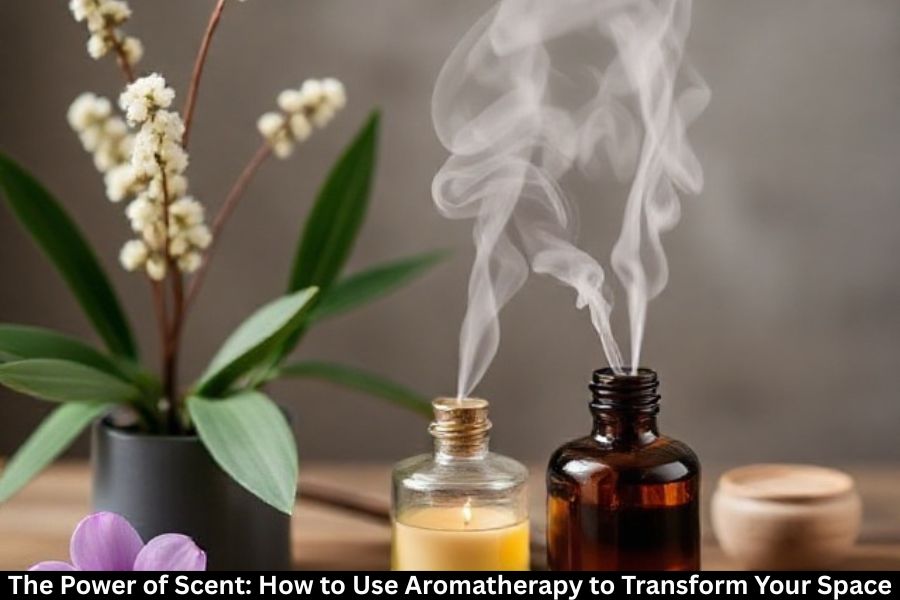
Have you ever walked into a room and instantly felt calm, energized, or nostalgic—without knowing why? That’s the invisible magic of scent. Aromatherapy isn’t just about pleasant smells; it’s about shaping emotions, improving well-being, and transforming your living space into a personal sanctuary.
What Is Aromatherapy?
Aromatherapy is the practice of using natural plant extracts, mainly essential oils, to promote physical, emotional, and mental health. Think of it as nature’s mood-setting remote control. With the right scent, your home can feel like a spa, a forest retreat, or a burst of sunshine on a gloomy day.
Why Scents Affect Mood and Behavior
Smell is the only sense directly connected to the emotional center of the brain. Unlike sight or sound, scent doesn’t ask for permission—it goes straight to your feelings. That’s why one whiff of a familiar fragrance can change your mood instantly.
The Science Behind Smell and Emotions
How the Brain Processes Scents
When you inhale a scent, odor molecules travel through the nose to the olfactory bulb, which sends signals directly to the brain.
The Limbic System Connection
This system controls emotions, memory, and behavior. That’s why lavender relaxes you and citrus wakes you up—it’s chemistry meeting psychology.
Memory, Emotion, and Fragrance
Scents can unlock memories faster than photos. A single aroma can take you back to childhood, a vacation, or a comforting moment, making aromatherapy a powerful emotional tool.
Benefits of Using Aromatherapy at Home
Stress Reduction and Relaxation
After a long day, calming scents like lavender, chamomile, and sandalwood help your nervous system slow down. It’s like giving your mind a warm hug.
Improved Focus and Productivity
Peppermint, rosemary, and lemon sharpen concentration. Perfect for work-from-home days when distractions lurk everywhere.
Better Sleep and Emotional Balance
Struggling with sleep? Soft floral or woody scents can signal your brain that it’s time to rest, helping you drift off naturally.
Popular Essential Oils and Their Effects
Lavender for Calm and Sleep
Lavender is the bedtime story of essential oils—gentle, soothing, and universally loved.
Peppermint for Energy and Focus
Feeling sluggish? Peppermint is like a splash of cold water for your senses.
Lemon and Citrus for Freshness
Citrus oils cleanse the air and boost positivity. They’re happiness in liquid form.
Eucalyptus for Clarity and Breathing
Ideal for congestion and mental fog, eucalyptus feels like a deep breath of fresh mountain air.
Choosing the Right Aromatherapy Method
Essential Oil Diffusers
Diffusers are efficient and safe, spreading fragrance evenly throughout the room.
Scented Candles
Candles add ambiance but should be used mindfully. Choose soy or beeswax for a cleaner burn.
Incense and Resin
Perfect for meditation and rituals, incense creates a deep, earthy atmosphere.
Pros and Cons of Each Method
Each method has its charm—diffusers are practical, candles are cozy, incense is spiritual. Pick what suits your lifestyle.
Aromatherapy Room-by-Room Guide
Living Room Scents for Comfort
Use warm scents like vanilla, sandalwood, or amber to make guests feel welcome.
Bedroom Scents for Rest
Lavender, ylang-ylang, and cedarwood promote relaxation and intimacy.
Kitchen Scents for Clean Energy
Lemon, basil, and grapefruit keep the kitchen fresh without clashing with food aromas.
Bathroom Scents for Spa Vibes
Eucalyptus and tea tree oils turn your bathroom into a mini spa.
Home Office and Study Areas
Rosemary and peppermint boost mental clarity and motivation.
How to Create Your Signature Home Scent
Blending Essential Oils
Mix top, middle, and base notes—just like perfume. For example: lemon (top), lavender (middle), cedarwood (base).
Finding Your Personal Scent Profile
Pay attention to scents you naturally love. Your nose knows best.
Seasonal Aromatherapy Ideas
Spring and Summer Scents
Floral, citrus, and herbal oils keep things light and airy.
Fall and Winter Scents
Cinnamon, clove, and vanilla add warmth and comfort during colder months.
Safety Tips for Using Aromatherapy
Proper Dilution and Usage
Essential oils are potent. Always dilute them and follow recommended guidelines.
Aromatherapy Around Kids and Pets
Some oils aren’t pet- or child-safe. Research before use to avoid harm.
Common Aromatherapy Mistakes to Avoid
Overpowering Your Space
More isn’t better. Subtlety makes a scent inviting, not overwhelming.
Using Low-Quality Oils
Cheap oils may contain synthetics. Always choose pure, therapeutic-grade products.
Aromatherapy for Mental Health and Well-Being
Managing Anxiety Naturally
Scents like bergamot and frankincense help ground emotions without side effects.
Boosting Mood and Motivation
Uplifting oils act like emotional sunshine, even on tough days.
Budget-Friendly Aromatherapy Tips
DIY Room Sprays
Mix water, alcohol, and essential oils for affordable freshness.
Affordable Oil Alternatives
Herbs, citrus peels, and dried flowers can naturally scent your home.
Sustainable and Eco-Friendly Scent Choices
Natural vs Synthetic Fragrances
Natural scents are healthier for you and the planet.
Supporting Ethical Brands
Choose brands that practice sustainable sourcing and cruelty-free production.
Future Trends in Aromatherapy and Home Design
Smart Diffusers and AI Scents
Technology is making scent personalization easier than ever.
Wellness-Centered Interiors
Homes are becoming healing spaces, with scent playing a key role.
Conclusion
Scent is the silent storyteller of your home. With aromatherapy, you’re not just making your space smell good—you’re shaping moods, memories, and moments. Whether you want calm, focus, or comfort, the right fragrance can transform your environment into a place that truly feels like you.
FAQs
1. Can aromatherapy really change mood?
Yes, scents directly affect the emotional center of the brain, influencing mood almost instantly.
2. How long should I diffuse essential oils?
Usually 30–60 minutes is enough to enjoy benefits without overwhelming the senses.
3. Are essential oils safe for daily use?
Yes, when used correctly and in proper dilution.
4. Can I mix different essential oils together?
Absolutely! Blending oils is encouraged to create personalized scents.
5. What’s the best aromatherapy method for beginners?
A basic diffuser is simple, safe, and effective.