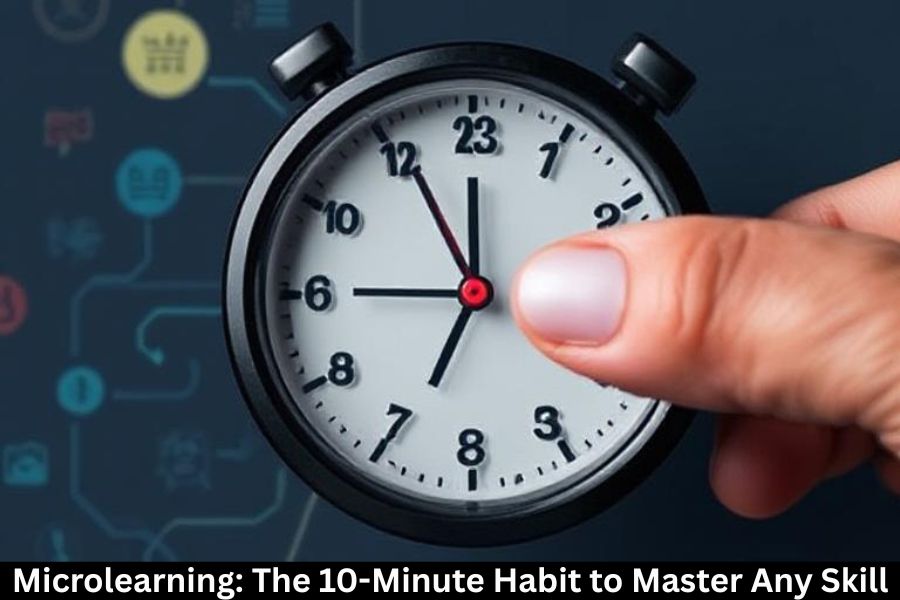
Microlearning: The 10-Minute Habit to Master Any Skill
What if mastering a new skill didn’t require hours of studying, endless note-taking, or weekend-long crash courses? What if all it took was ten focused minutes a day? That’s the promise of microlearning—a simple but powerful approach that’s changing how we learn in a busy world.
What Is Microlearning?
Microlearning is exactly what it sounds like: learning in small, focused chunks. Instead of sitting down for a long session, you consume or practice one specific concept at a time. Think of it like snacking instead of a heavy meal—lighter, easier to digest, and surprisingly effective.
Why Short Learning Sessions Work
Our brains aren’t designed for marathon learning sessions. Short bursts keep your attention sharp and reduce mental fatigue. Ten minutes feels manageable, which makes it easier to start—and starting is often the hardest part.
The Science Behind Microlearning
Attention Span and Cognitive Load
Research shows that attention drops sharply after about 10–15 minutes. Microlearning works with your brain, not against it, by delivering information before overload kicks in.
How the Brain Retains Small Chunks of Information
When information is broken into bite-sized pieces, it’s easier to store and retrieve later. It’s like organizing files into folders instead of dumping everything onto one messy desktop.
Microlearning vs Traditional Learning
Long Study Sessions vs Short Bursts
Traditional learning often relies on long sessions that demand sustained focus. Microlearning flips the model by emphasizing frequency over duration.
Why Consistency Beats Intensity
Ten minutes every day beats two hours once a week. Consistency builds momentum, and momentum builds mastery.
The 10-Minute Habit Explained
Why 10 Minutes Is the Sweet Spot
Ten minutes is short enough to avoid resistance but long enough to make progress. It fits into lunch breaks, mornings, or those quiet moments before bed.
Building a Daily Learning Routine
Attach your learning habit to something you already do—coffee time, commuting, or winding down at night. This makes learning automatic, not optional.
Skills You Can Master with Microlearning
Professional and Career Skills
From coding basics to communication techniques, microlearning is perfect for upskilling without overwhelming your schedule.
Creative and Personal Development Skills
Writing, drawing, photography, even playing an instrument—small daily practice compounds over time.
Fitness, Wellness, and Lifestyle Habits
Microlearning isn’t just academic. Short workouts, mindfulness exercises, or nutrition tips fit perfectly into this model.
Microlearning in the Digital Age
Mobile Learning and On-the-Go Education
Smartphones have turned dead time into learning time. Waiting in line? That’s a lesson. Riding the bus? Another one.
Apps, Videos, and Bite-Sized Content
Short videos, flashcards, and interactive quizzes make microlearning engaging and accessible anywhere.
Microlearning at Work
Employee Training and Upskilling
Companies use microlearning to train employees faster and more effectively—without pulling them away from work for long periods.
Reducing Burnout and Information Overload
Short lessons reduce stress and improve knowledge retention, making learning feel supportive instead of exhausting.
Microlearning in Schools and Education
Helping Students Learn Smarter
Students benefit from focused lessons that reinforce one concept at a time, improving understanding and confidence.
Gamification and Interactive Micro Lessons
Games, quizzes, and challenges turn learning into an experience, not a chore.
Designing Effective Microlearning Content
Clear Goals and Focused Topics
Each session should answer one question or teach one skill. No fluff, no distractions.
One Objective per Session
If you try to learn everything at once, you learn nothing well. Focus wins.
The Role of Habit Formation in Microlearning
Small Actions, Big Results
Microlearning thrives on habits. Tiny actions repeated daily lead to massive long-term change.
Stacking Learning with Daily Routines
Pair learning with existing habits—like brushing your teeth or morning coffee—to make it stick.
Benefits of Microlearning
Better Retention and Faster Progress
Short sessions improve recall and make learning feel rewarding.
Flexibility and Accessibility
No special setup required. Learn anytime, anywhere.
Common Mistakes to Avoid
Consuming Without Practicing
Watching isn’t learning. Application matters.
Skipping Reflection and Review
Take a minute to reflect. That’s where learning sinks in.
Measuring Progress with Microlearning
Tracking Skill Growth Over Time
Keep notes, streaks, or simple checklists to stay motivated.
Feedback and Self-Assessment
Regular feedback helps you adjust and improve faster.
Microlearning for Lifelong Learning
Staying Relevant in a Fast-Changing World
Skills expire quickly. Microlearning helps you stay adaptable.
Learning as a Lifestyle
When learning becomes part of daily life, growth never stops.
The Future of Microlearning
AI, Personalization, and Adaptive Learning
Technology will tailor lessons to your pace, preferences, and goals.
Microlearning Beyond Screens
Offline practices, real-world challenges, and social learning will expand its reach.
Conclusion
Microlearning proves that you don’t need more time—you need better habits. Ten focused minutes a day can transform curiosity into skill and intention into mastery. In a world that’s always rushing, microlearning reminds us that small, steady steps still move us forward.
Frequently Asked Questions (FAQs)
1. Is microlearning effective for complex skills?
Yes, when skills are broken into manageable steps.
2. How long does it take to see results with microlearning?
Consistency shows results within weeks.
3. Can microlearning replace traditional education?
It complements traditional learning rather than replacing it.
4. Is microlearning suitable for all ages?
Absolutely. It adapts easily to any age group.
5. Do I need special tools for microlearning?
No. A phone, notebook, or even your mind is enough.