Anti-Inflammatory Foods to Add to Your Daily Diet
Inflammation gets a bad reputation, but it’s not always the villain. In fact, it’s your body’s natural defense system. The problem starts when inflammation sticks around longer than it should. That’s where diet steps in like a peacekeeper, calming the internal chaos one bite at a time.
What Is Inflammation?
Inflammation is your body’s response to injury, infection, or stress. Acute inflammation helps you heal. Chronic inflammation, however, quietly simmers in the background and can lead to serious health issues.
How Food Influences Inflammation
Think of food as either fuel for the fire or water to put it out. Processed foods tend to fan the flames, while whole, nutrient-rich foods help cool things down.
Understanding Chronic Inflammation
Acute vs Chronic Inflammation
Acute inflammation is short-lived and helpful. Chronic inflammation is like a smoke alarm that never stops ringing, slowly damaging tissues over time.
Health Problems Linked to Inflammation
Heart disease, diabetes, arthritis, obesity, and even depression have been linked to chronic inflammation. That’s why what you eat daily matters more than occasional “healthy” meals.
Why an Anti-Inflammatory Diet Matters
Benefits for Long-Term Health
An anti-inflammatory diet supports heart health, brain function, joint mobility, and immune strength. It’s not a diet, it’s a lifestyle upgrade.
Anti-Inflammatory Eating and Energy Levels
When inflammation decreases, your body doesn’t have to work as hard. The result? Better energy, clearer thinking, and improved mood.
Fruits That Fight Inflammation
Berries and Their Antioxidant Power
Blueberries, strawberries, raspberries, and blackberries are loaded with antioxidants that neutralize free radicals. They’re like tiny bodyguards protecting your cells.
Citrus Fruits and Vitamin C
Oranges, lemons, grapefruits, and limes boost immunity and reduce inflammatory markers.
Best Ways to Add Fruits Daily
Add berries to oatmeal, smoothies, or yogurt. Squeeze lemon into water or salads for an easy upgrade.
Vegetables with Anti-Inflammatory Benefits
Leafy Greens and Phytonutrients
Spinach, kale, arugula, and Swiss chard are packed with vitamins and plant compounds that reduce inflammation.
Cruciferous Vegetables Explained
Broccoli, cauliflower, Brussels sprouts, and cabbage support detoxification and fight inflammation at the cellular level.
Cooking Methods That Preserve Nutrients
Light steaming or sautéing is better than overcooking. Treat vegetables gently, and they’ll return the favor.
Healthy Fats That Reduce Inflammation
Omega-3 Fatty Acids
Found in fatty fish like salmon, sardines, and mackerel, omega-3s are inflammation’s natural enemy.
Olive Oil and Mediterranean Diet
Extra virgin olive oil is rich in anti-inflammatory compounds. Drizzle it like liquid gold.
Fats to Avoid
Trans fats and excessive omega-6 oils can increase inflammation. Balance is key.
Whole Grains and Fiber-Rich Foods
Why Fiber Reduces Inflammation
Fiber feeds your gut bacteria, which in turn helps regulate inflammation. It’s a win-win.
Best Whole Grains to Choose
Oats, quinoa, brown rice, barley, and whole wheat are excellent choices.
Anti-Inflammatory Proteins
Fatty Fish and Seafood
Salmon, tuna, sardines, and anchovies deliver protein plus omega-3s.
Plant-Based Protein Options
Lentils, chickpeas, beans, and tofu offer protein without inflammatory fats.
Lean Animal Proteins
Choose skinless poultry and grass-fed meats in moderation.
Herbs and Spices with Healing Properties
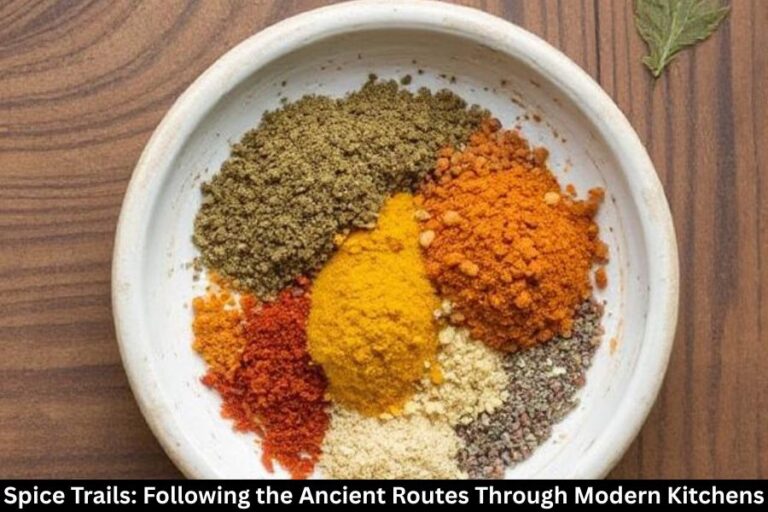
Turmeric and Curcumin
Turmeric’s active compound, curcumin, is one of the most powerful natural anti-inflammatories.
Ginger, Garlic, and Cinnamon
These spices do more than flavor food. They actively reduce inflammatory markers.
Easy Ways to Use Herbs Daily
Add turmeric to soups, ginger to tea, and garlic to almost everything.
Nuts, Seeds, and Legumes
Almonds, Walnuts, and Chia Seeds
These foods provide healthy fats, fiber, and antioxidants.
Portion Control and Benefits
A small handful is enough. Think quality, not quantity.
Fermented Foods and Gut Health
Why Gut Health Affects Inflammation
A healthy gut helps regulate immune responses and inflammation.
Best Fermented Foods to Eat
Yogurt, kefir, kimchi, sauerkraut, and miso support beneficial gut bacteria.
Beverages That Help Reduce Inflammation
Green Tea and Herbal Teas
Green tea is rich in catechins that fight inflammation.
Water and Hydration
Hydration helps flush toxins and keeps cells functioning properly.
Drinks to Limit or Avoid
Sugary drinks and excessive alcohol can increase inflammation.
Foods That Increase Inflammation
Processed Foods and Sugars
Ultra-processed snacks, refined carbs, and sugary treats fuel inflammation.
How to Reduce Inflammatory Triggers
Read labels, cook more at home, and aim for whole foods.
Building an Anti-Inflammatory Daily Meal Plan
Breakfast, Lunch, and Dinner Ideas
Oatmeal with berries, salad with olive oil and salmon, and veggie-packed stir-fries are simple starting points.
Smart Snacking Tips
Choose nuts, fruit, yogurt, or hummus instead of processed snacks.
Final Verdict
Making Anti-Inflammatory Eating a Lifestyle
Consistency beats perfection. Small daily choices add up to big health wins over time.
Conclusion
An anti-inflammatory diet isn’t about restriction. It’s about abundance. More colors, more flavor, and more nourishment. By adding anti-inflammatory foods to your daily routine, you’re giving your body the tools it needs to heal, protect, and thrive. Start small, stay curious, and let food work with you, not against you.
FAQs
1. How long does it take to see results from an anti-inflammatory diet?
Many people notice improvements in energy and digestion within a few weeks.
2. Do I need to eliminate all inflammatory foods completely?
No. Balance and moderation are more sustainable.
3. Is coffee inflammatory?
In moderation, coffee may have anti-inflammatory benefits.
4. Can anti-inflammatory foods help with joint pain?
Yes, many people report reduced stiffness and pain.
5. Is an anti-inflammatory diet safe long term?
Absolutely. It’s based on whole, nutrient-dense foods.