Plant-Based Living: A Beginner’s Guide to Going Vegan
Thinking about going vegan but not sure where to start? You’re not alone. Plant-based living has gone from niche to mainstream, and for good reason. Whether it’s health, the planet, or compassion for animals, more people are opening their plates to plants.
What Does Going Vegan Really Mean?
Going vegan means choosing foods and products that don’t involve animal exploitation. In simple terms, you avoid meat, dairy, eggs, and other animal-derived ingredients, and instead focus on fruits, vegetables, grains, legumes, nuts, and seeds.
Why More People Are Choosing a Vegan Lifestyle
People go vegan for many reasons. Some want better health. Others want to reduce their environmental footprint. And many simply don’t want animals to suffer for their choices. Whatever your reason, vegan living is more accessible than ever.
Understanding the Vegan Diet
Foods Vegans Eat
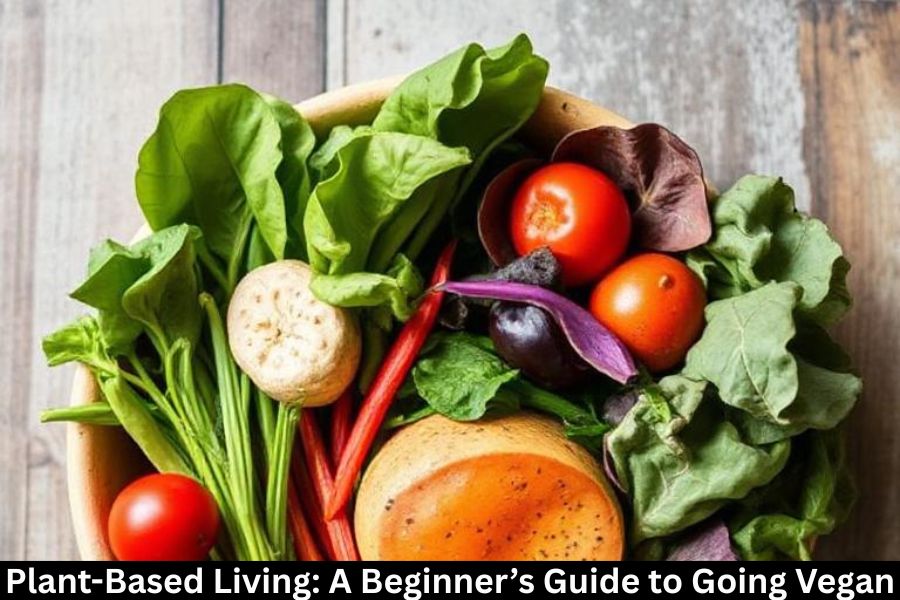
Vegans eat a colorful, diverse range of foods: vegetables, fruits, beans, lentils, chickpeas, rice, oats, quinoa, nuts, seeds, and plant-based alternatives like tofu and tempeh.
Foods Vegans Avoid
Meat, fish, dairy, eggs, honey, and any ingredients derived from animals are excluded. This includes less obvious items like gelatin and certain food colorings.
Vegan vs. Vegetarian vs. Plant-Based
Vegetarians may eat dairy and eggs. Plant-based eaters focus mainly on plants but may still consume animal products occasionally. Vegans avoid animal products entirely, including in clothing and cosmetics.
Benefits of Going Vegan
Health Benefits
A well-planned vegan diet can be incredibly nourishing.
Heart Health
Plant-based diets are linked to lower cholesterol levels and reduced risk of heart disease.
Weight Management
Vegan diets tend to be rich in fiber and lower in calories, making healthy weight management easier.
Environmental Benefits
Animal agriculture is resource-intensive. Choosing plants reduces greenhouse gas emissions, water use, and deforestation.
Ethical and Animal Welfare Benefits
At its core, veganism is about compassion. It’s a way to align daily choices with kindness toward animals.
Common Myths About Vegan Living
“Vegans Don’t Get Enough Protein”
Plants are packed with protein. Lentils, beans, tofu, tempeh, quinoa, and nuts cover your needs easily.
“Vegan Food Is Boring”
If anything, vegan food is exciting. Global cuisines—from Indian to Mediterranean—are naturally plant-based.
“It’s Too Expensive to Go Vegan”
Staples like rice, beans, pasta, and vegetables are some of the cheapest foods available.
Essential Nutrients on a Vegan Diet
Protein Sources
Legumes, soy products, whole grains, nuts, and seeds provide all essential amino acids.
Vitamin B12
B12 is crucial and should be supplemented or consumed via fortified foods.
Iron, Calcium, and Omega-3s
Leafy greens, fortified plant milks, seeds, and algae-based supplements help meet these needs.
How to Transition to a Vegan Lifestyle
Start Slow or Go All In?
Some people transition gradually, others overnight. Choose what feels sustainable for you.
Cleaning Out Your Pantry
Replace animal products with plant-based alternatives you enjoy.
Reading Food Labels
Get familiar with ingredient lists to spot hidden animal products.
Easy Vegan Staples for Beginners
Fruits and Vegetables
Fresh, frozen, or canned—variety is key.
Whole Grains and Legumes
Rice, oats, lentils, and beans form the backbone of vegan meals.
Plant-Based Proteins
Tofu, tempeh, seitan, and legumes are versatile and filling.
Dairy and Meat Alternatives
Plant milks, vegan cheeses, and meat substitutes make transitions easier.
Vegan Meal Planning Made Simple
Building Balanced Meals
Think: carbs, protein, fats, and fiber on every plate.
Sample Beginner Vegan Meal Plan
Breakfast: Oatmeal with fruit
Lunch: Chickpea salad wrap
Dinner: Stir-fried tofu with vegetables and rice
Snack: Hummus with carrots
Meal Prep Tips
Cook in batches and keep simple sauces on hand.
Eating Out and Social Situations
Navigating Restaurants
Most restaurants offer vegan options or can modify dishes.
Handling Family Gatherings
Communicate kindly and bring a dish to share.
Traveling as a Vegan
Research ahead and pack snacks.
Vegan Lifestyle Beyond Food
Vegan Clothing and Fashion
Choose materials like cotton, linen, and synthetic alternatives instead of leather or wool.
Cruelty-Free Beauty and Household Products
Look for cruelty-free and vegan certifications.
Budget-Friendly Vegan Living
Saving Money on Groceries
Buy in bulk and focus on whole foods.
Buying Seasonal and Local
Seasonal produce is cheaper and tastier.
Cooking at Home More Often
Home cooking saves money and improves nutrition.
Challenges Beginners Face (and How to Overcome Them)
Cravings and Comfort Foods
Find vegan versions of your favorites.
Social Pressure
Confidence grows with knowledge and experience.
Staying Motivated
Reconnect with your reasons for starting.
Vegan Living for Different Lifestyles
Veganism for Busy Professionals
Quick meals like smoothies and grain bowls work wonders.
Veganism for Families
Keep meals familiar and kid-friendly.
Veganism for Athletes
Plant-based diets can support strength, endurance, and recovery.
Is Going Vegan Right for You?
Listening to Your Body
Everyone’s journey is unique. Adjust as needed.
Finding Your “Why”
Your motivation will guide your consistency.
Conclusion
Plant-based living isn’t about perfection—it’s about progress. Going vegan opens the door to better health, a lighter environmental footprint, and a more compassionate way of living. Take it one meal, one choice, one step at a time. You don’t need to change everything overnight. Just start where you are, and let plants lead the way.
Frequently Asked Questions (FAQs)
1. Can beginners go vegan without supplements?
Vitamin B12 supplementation is recommended for all vegans.
2. Will I feel tired when I go vegan?
With balanced meals, energy levels often improve.
3. Is vegan food suitable for kids?
Yes, with proper planning and nutrient awareness.
4. Can I build muscle on a vegan diet?
Absolutely. Many athletes thrive on plant-based diets.
5. Do I need to give up my favorite foods?
No—most favorites have delicious vegan versions.