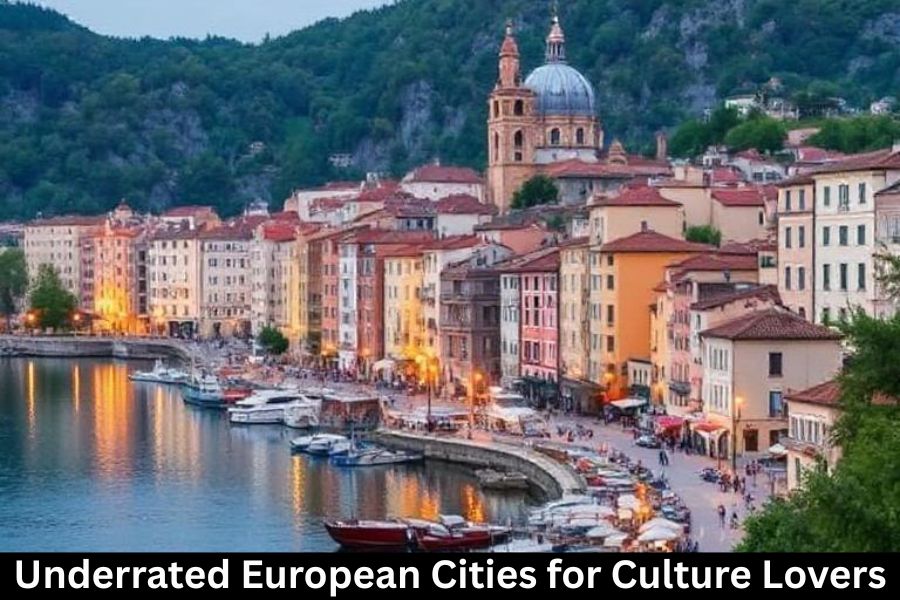
Underrated European Cities for Culture Lovers
Paris, Rome, and London are incredible—but let’s be honest, they can feel like cultural theme parks during peak season. Long queues, crowded museums, and streets packed with selfie sticks can make it hard to truly feel a place. That’s why culture lovers are quietly shifting gears and looking toward Europe’s underrated cities.
These lesser-known destinations are like well-kept secrets. They don’t shout for attention, yet they whisper stories through old streets, local music, neighborhood cafés, and everyday rituals. If culture is your compass, these cities deserve a spot on your travel map.
Why Cultural Travelers Are Looking Beyond Famous Cities
Travelers today want connection, not checklists. They want to sit in a local café, hear a language they don’t fully understand, and still feel welcome. Underrated cities make that possible. They allow you to experience Europe as it lives, not just as it’s photographed.
The Beauty of Europe’s Hidden Cultural Gems
Think of these cities as novels instead of headlines. They unfold slowly, rewarding curiosity and patience. Every corner has history, but it isn’t wrapped in velvet ropes.
What Makes a City a Cultural Paradise
History, Art, and Daily Life
Culture isn’t just museums—it’s how people greet each other, cook food, celebrate festivals, and preserve memories.
Living Culture vs Tourist Culture
Living culture evolves daily. You’ll find it in markets, music rehearsals, street art, and neighborhood bakeries—not just galleries.
Local Traditions and Creative Scenes
Underrated cities often have thriving creative communities fueled by students, artists, and independent thinkers. Culture here feels alive, not frozen in time.
Why Underrated Cities Offer Deeper Cultural Experiences
Fewer Crowds, More Authenticity
Without overwhelming tourism, cities remain true to themselves. Locals aren’t rushing—you shouldn’t either.
Better Interaction with Locals
People have time to talk, share stories, and recommend places tourists rarely see.
Slower Travel, Richer Stories
Slow travel turns moments into memories. These cities invite you to linger.
Ljubljana, Slovenia
A Fairytale Old Town
Ljubljana feels like a storybook come to life. Pastel buildings, bridges with dragons, and a car-free center create a relaxed cultural vibe.
Café Culture and Local Art
Artists sell work along the river, musicians play on bridges, and cafés buzz with conversation.
Museums, Music, and Festivals
From modern galleries to open-air performances, culture flows year-round.
Porto, Portugal
Historic Riverside Charm
Porto’s riverside feels poetic—aged buildings, narrow streets, and the gentle rhythm of the Douro River.
Traditional Music and Wine Culture
Fado music and port wine aren’t tourist shows—they’re part of daily life.
Architecture That Tells Stories
Colorful tiles, old churches, and iron bridges reflect centuries of craftsmanship.
Ghent, Belgium
Medieval Streets Without the Crowds
Ghent offers Bruges-level beauty without the crowds. Stone buildings and canals set the stage.
Art, Universities, and Creative Energy
Students keep the city young, creative, and experimental.
Food Culture and Local Traditions
Belgian food shines here—simple, hearty, and deeply cultural.
Plovdiv, Bulgaria
One of Europe’s Oldest Cities
Plovdiv layers history like sediment—Thracian, Roman, Ottoman, and modern.
Roman Ruins and Revival Architecture
Ancient theaters sit next to colorful 19th-century homes.
Modern Culture Meets Ancient History
Art galleries, festivals, and creative spaces thrive in historic settings.
Brno, Czech Republic
Moravian Culture and History
Brno offers a relaxed alternative to Prague with rich traditions.
Underground Sites and Castles
Hidden tunnels and hilltop castles add mystery to the city.
Youthful Creative Scene
Students fuel innovation, music, and art.
Lecce, Italy
Baroque Architecture Beyond Rome
Lecce is a baroque dream carved in golden stone.
Southern Italian Traditions
Life here revolves around food, family, and festivals.
Artisans, Food, and Festivals
Craftsmanship lives on through local artisans and seasonal celebrations.
Timișoara, Romania
Multicultural Influences
Romanian, Hungarian, and German cultures blend beautifully.
European Capital of Culture Impact
The city’s creative revival is visible everywhere.
Art, Theater, and Public Squares
Public spaces feel like open-air cultural stages.
Kaunas, Lithuania
Interwar Architecture and Design
Kaunas surprises with unique modernist architecture.
Museums and Memory
History is presented honestly, thoughtfully, and creatively.
Street Art and Youth Culture
Murals and creative spaces bring color to the city.
Tips for Culture Lovers Visiting Underrated Cities
How to Blend In Like a Local
Learn basic phrases, walk instead of rush, and observe before acting.
Supporting Local Artists and Businesses
Cultural Travel on a Budget
Local cafés, markets, and events often cost little but give much.
Common Myths About Underrated European Cities
Less Famous Means Less Interesting
In reality, it often means more authentic.
Limited Cultural Attractions
Culture doesn’t need big buildings—it lives in people.
Conclusion
If culture is what moves you, Europe’s underrated cities will steal your heart. They offer stories without filters, traditions without performances, and beauty without crowds. These cities don’t demand attention—they earn it. And once you visit, you’ll wonder why you ever followed the crowds in the first place.
FAQs
Are underrated cities better for cultural travel?
Yes, they offer more authentic and personal experiences.
Are these cities budget-friendly?
Most are more affordable than famous European capitals.
How many days are ideal for exploring them?
Three to five days allows deep cultural immersion.
Is language a barrier in smaller cities?
Basic English is common, and locals are usually helpful.
Which underrated city should I visit first?
Ljubljana or Porto are perfect introductions.