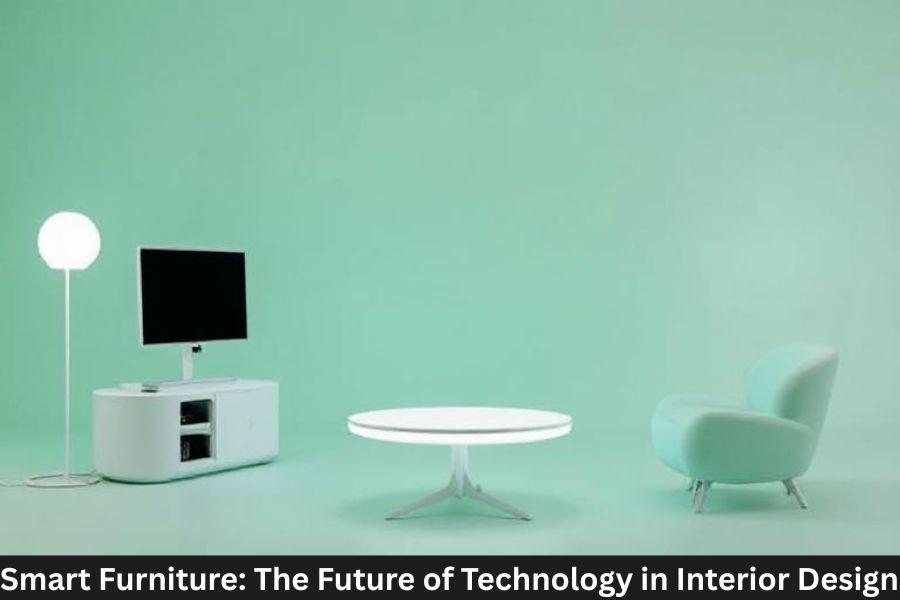
Smart furniture isn’t just a fancy buzzword—it’s a quiet revolution happening right inside our homes and offices. Imagine a bed that tracks your sleep, a desk that reminds you to stand, or a sofa that charges your phone while you relax. Sounds futuristic? Well, that future is already here.
What Is Smart Furniture?
Smart furniture refers to furniture pieces integrated with technology to enhance functionality, comfort, and user experience. These pieces often include sensors, connectivity features, automation, and even artificial intelligence. Instead of just sitting there looking pretty, smart furniture actually does something for you.
Why Smart Furniture Is Gaining Popularity
Why the sudden hype? Simple. Our lifestyles have changed. We work from home, live in smaller spaces, and expect convenience at the tap of a button. Smart furniture fits perfectly into this fast-paced, tech-driven world—kind of like upgrading from a flip phone to a smartphone.
The Evolution of Furniture Design
Furniture has come a long way from heavy wooden tables and bulky cabinets. Design today is all about flexibility, efficiency, and aesthetics.
From Traditional to Modern Furniture
Traditional furniture focused mainly on durability and craftsmanship. Modern furniture introduced minimalism and functionality. Smart furniture? It takes things a step further by adding intelligence to the mix.
The Role of Technology in Interior Design
Technology has reshaped interior design in ways we couldn’t imagine a decade ago. Designers now think beyond colors and textures—they design experiences.
How IoT Changed Home Living
The Internet of Things (IoT) allows furniture to communicate with other devices. Your bed can talk to your phone, your desk can sync with your laptop, and your lighting can adjust based on your mood. It’s like your home suddenly became… smarter than you.
Key Features of Smart Furniture
So, what makes furniture “smart”? Let’s break it down.
Built-in Connectivity
Most smart furniture connects via Wi-Fi or Bluetooth, allowing control through apps or voice assistants. This connectivity turns static objects into interactive elements.
Space-Saving and Multifunctional Design
Smart furniture often serves more than one purpose. A coffee table that turns into a workstation or a bed with hidden storage—perfect for small spaces.
Wireless Charging and Smart Lighting
Gone are the days of tangled cords. Many smart furniture pieces include wireless charging pads and adjustable LED lighting for added convenience.
Voice and App Control
“Alexa, raise my desk.” Yes, that’s a thing now. Voice and app controls make furniture operation effortless.
Types of Smart Furniture
Smart furniture comes in many forms, each designed to improve specific aspects of daily life.
Smart Beds and Mattresses
These track sleep patterns, adjust firmness, and even control temperature. Think of it as a personal sleep coach—minus the judgment.
Smart Sofas and Seating
From built-in speakers to massage functions, smart seating is all about comfort with a tech twist.
Smart Tables and Desks
Standing desks that remember your preferred height or dining tables with touch controls are becoming increasingly common.
Office vs Home Smart Furniture
Office smart furniture focuses on productivity and ergonomics, while home versions lean toward comfort and entertainment.
Benefits of Smart Furniture
Why should you care about smart furniture? Let’s talk benefits.
Enhanced Comfort and Convenience
Smart furniture adapts to you, not the other way around. Whether it’s adjusting your posture or lighting, comfort is always front and center.
Energy Efficiency and Sustainability
Many smart furniture pieces are designed to reduce energy consumption, making your home greener and your bills lighter.
Improved Health and Well-being
From posture correction to sleep tracking, smart furniture actively supports a healthier lifestyle.
Smart Furniture and Small Living Spaces
Living in a small apartment? Smart furniture might just be your best friend.
Urban Living and Space Optimization
In cities where space is gold, multifunctional smart furniture helps maximize every square inch.
Foldable, Modular, and Transformable Furniture
Furniture that folds, slides, or transforms is a game-changer for compact living.
Smart Furniture in Commercial Interiors
It’s not just homes benefiting from smart furniture.
Offices and Workspaces
Smart desks, collaborative tables, and ergonomic seating boost productivity and employee well-being.
Hotels and Hospitality Industry
Hotels use smart furniture to personalize guest experiences, from adjustable beds to smart lighting.
Retail and Public Spaces
Interactive furniture enhances customer engagement and creates memorable experiences.
Integration with Smart Home Systems
Smart furniture truly shines when it works as part of a bigger ecosystem.
Compatibility with Smart Assistants
Most smart furniture integrates seamlessly with popular smart assistants, making control effortless.
Creating a Fully Connected Home
When furniture, lighting, and appliances work together, your home feels less like a space and more like a living organism.
Design Aesthetics and Customization
Tech doesn’t have to look cold or boring.
Blending Technology with Style
Modern smart furniture hides technology behind sleek designs, ensuring aesthetics aren’t compromised.
Personalization Options
From colors to functions, customization lets users tailor furniture to their lifestyle.
Challenges and Limitations of Smart Furniture
Of course, it’s not all sunshine and LEDs.
Cost and Accessibility
Smart furniture can be expensive, making it less accessible for some consumers.
Privacy and Data Security Concerns
Furniture that collects data raises valid privacy questions that manufacturers must address.
Maintenance and Upgrades
Technology evolves fast, and keeping furniture updated can be challenging.
Future Trends in Smart Furniture
The future looks exciting—and a little sci-fi.
AI-Powered Furniture
Furniture that learns your habits and adapts automatically is on the horizon.
Sustainable and Eco-Friendly Innovations
Expect more eco-conscious materials and energy-efficient designs.
Augmented Reality in Furniture Design
AR will allow users to visualize smart furniture in their space before buying.
How to Choose the Right Smart Furniture
Buying smart furniture isn’t just about looks.
Assessing Needs and Lifestyle
Think about how you live and what problems you want furniture to solve.
Budget and Compatibility Considerations
Ensure the furniture fits your budget and works with your existing devices.
Impact of Smart Furniture on Interior Designers
Designers are embracing this tech-driven shift.
New Opportunities for Creativity
Smart furniture opens doors to innovative layouts and experiences.
Skills Required for Future Designers
Understanding technology is becoming just as important as understanding color theory.
Conclusion
Smart furniture is more than a trend—it’s a natural evolution of how we live, work, and relax. By blending technology with thoughtful design, it transforms interiors into responsive, efficient, and personalized spaces. As technology continues to advance, smart furniture will play an even bigger role in shaping the future of interior design. Whether you’re a homeowner, designer, or business owner, one thing is clear: smart furniture isn’t coming—it’s already here.
Frequently Asked Questions (FAQs)
1. Is smart furniture worth the investment?
Yes, especially if you value convenience, comfort, and long-term functionality.
2. Does smart furniture consume a lot of electricity?
Most smart furniture is energy-efficient and designed to minimize power usage.
3. Can smart furniture work without the internet?
Some basic features may work offline, but full functionality usually requires connectivity.
4. Is smart furniture safe for privacy?
Reputable brands use encryption and secure systems, but users should always review privacy policies.
5. Will smart furniture become more affordable in the future?
As technology advances and adoption increases, prices are expected to become more accessible.