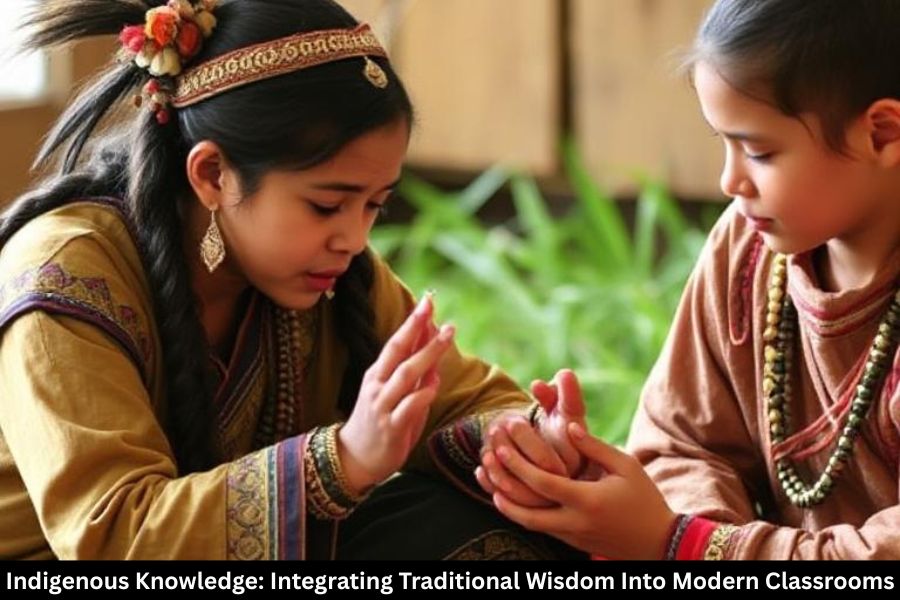
Modern classrooms are packed with textbooks, digital screens, and standardized tests. Yet, some of the most powerful knowledge systems ever developed didn’t come from laboratories or lecture halls. They came from the land, the stars, the seasons, and the stories passed down through generations. This is indigenous knowledge—ancient, living wisdom that still has a lot to teach us.
What Is Indigenous Knowledge?
Indigenous knowledge refers to the understandings, skills, and philosophies developed by Indigenous communities over centuries. It’s knowledge shaped by lived experience, cultural values, and a deep relationship with the natural world. Unlike textbook knowledge, it’s holistic, relational, and deeply rooted in place.
Why Indigenous Knowledge Matters Today
In a world facing climate change, cultural erosion, and social inequality, indigenous knowledge offers perspectives we desperately need. It teaches balance instead of domination, connection instead of isolation, and responsibility instead of exploitation.
Understanding Traditional Wisdom Systems
Oral Traditions and Storytelling
Stories are not just entertainment in Indigenous cultures—they are libraries. Through storytelling, values, history, science, and ethics are preserved and shared. Each story carries lessons layered with meaning, like a map you learn to read over time.
Knowledge Rooted in Land and Community
Indigenous knowledge grows from the land. Plants, animals, rivers, and seasons are teachers. Learning happens through observation, participation, and respect for the environment.
Intergenerational Learning
Knowledge flows from elders to youth, creating continuity and identity. Learning isn’t age-restricted—it’s a lifelong journey shared across generations.
The Gap Between Indigenous Knowledge and Modern Education
Colonial Roots of Modern Schooling
Modern education systems were largely shaped by colonial values, often dismissing indigenous ways of knowing as unscientific or informal. This created a divide that still exists today.
Knowledge Hierarchies in Education Systems
Western knowledge is often treated as superior, while indigenous knowledge is sidelined or added as an afterthought. This hierarchy limits what students see as valid knowledge.
Loss of Cultural Context in Classrooms
When learning is disconnected from culture and community, it becomes abstract. Indigenous knowledge brings learning back to lived experience.
Why Integrating Indigenous Knowledge in Classrooms Is Important
Cultural Preservation
Education plays a crucial role in preserving languages, traditions, and identities. Integrating indigenous knowledge keeps cultures alive rather than frozen in museums.
Inclusive and Equitable Education
When students see their cultures reflected in the classroom, they feel valued. This fosters belonging and improves engagement for Indigenous and non-Indigenous students alike.
Relevance to Real-Life Learning
Indigenous knowledge connects learning to real-world challenges—food systems, environmental care, and community well-being.
Cognitive and Educational Benefits for Students
Holistic Learning Approaches
Indigenous education doesn’t separate mind, body, emotion, and spirit. This whole-person approach supports deeper understanding and retention.
Critical Thinking and Systems Thinking
By emphasizing relationships and interconnections, students learn to think in systems rather than isolated facts.
Experiential and Inquiry-Based Learning
Learning by doing—observing nature, participating in community activities—makes education meaningful and memorable.
Indigenous Ways of Knowing vs. Western Knowledge Models
Linear vs. Circular Thinking
Western education often follows linear progress. Indigenous knowledge embraces cycles—seasons, life stages, renewal.
Individual Achievement vs. Collective Wisdom
Instead of competition, indigenous education values collaboration and shared responsibility.
Written Knowledge vs. Oral Knowledge
Written texts preserve information. Oral traditions preserve wisdom, context, and values.
Indigenous Knowledge in Science Education
Environmental Stewardship
Indigenous practices emphasize caring for the land, not exploiting it. These principles align perfectly with modern sustainability goals.
Traditional Ecological Knowledge (TEK)
TEK includes detailed observations of ecosystems built over centuries. It complements scientific data and enhances environmental education.
Climate Change Education
Indigenous communities have adapted to environmental changes for generations. Their insights offer valuable lessons for resilience.
Indigenous Knowledge in Social Studies and History
Decolonizing History Curriculum
Including indigenous perspectives challenges one-sided historical narratives and encourages critical reflection.
Indigenous Perspectives and Narratives
History becomes richer and more honest when multiple voices are included.
Community-Based Learning
Learning history through community stories makes the past feel alive and relevant.
Indigenous Knowledge in Language and Arts Education
Language Revitalization
Language carries worldview. Teaching Indigenous languages supports identity and cognitive diversity.
Storytelling, Music, and Visual Arts
Art is knowledge in motion. It communicates values, history, and emotions across generations.
Cultural Identity Through Creative Expression
Students express who they are and where they come from through creative learning.
Role of Elders and Knowledge Keepers in Education
Elders as Teachers
Elders bring lived wisdom that textbooks can’t replicate. Their presence enriches learning deeply.
Respect, Protocols, and Ethical Engagement
Engaging Indigenous knowledge requires respect, consent, and cultural protocols.
Community Partnerships
Strong partnerships ensure knowledge is shared appropriately and authentically.
Practical Strategies for Teachers
Curriculum Co-Creation
Collaborate with Indigenous communities to design meaningful lessons.
Land-Based Learning
Outdoor learning reconnects students with nature and place.
Project-Based Learning Models
Projects grounded in community issues foster engagement and responsibility.
Challenges in Integrating Indigenous Knowledge
Lack of Teacher Training
Many educators want to help but lack guidance and confidence.
Risk of Tokenism
Superficial inclusion can do more harm than good.
Misappropriation of Knowledge
Not all knowledge is meant to be shared publicly. Respect is essential.
Technology as a Bridge Between Traditions and Classrooms
Digital Storytelling
Technology helps preserve stories while respecting cultural ownership.
Virtual Cultural Exchanges
Students can connect with Indigenous communities globally.
Preserving Indigenous Knowledge Digitally
Digital archives protect knowledge for future generations.
Policy and Institutional Support
Education Policy Reforms
System-level change ensures lasting impact.
Indigenous-Led Curriculum Development
Indigenous voices must lead decisions about their knowledge.
Long-Term Institutional Commitment
True integration requires sustained effort, not one-time initiatives.
Global Examples of Indigenous Knowledge in Education
Indigenous Education Models Worldwide
From Māori education in New Zealand to First Nations programs in Canada, successful models already exist.
Lessons Learned From Successful Programs
Respect, collaboration, and community leadership are key ingredients.
The Future of Education With Indigenous Knowledge
Sustainability and Global Citizenship
Indigenous knowledge prepares students to care for the planet and each other.
Reimagining What It Means to Be Educated
Education becomes not just about careers, but about living well.
Conclusion
Integrating indigenous knowledge into modern classrooms isn’t about replacing existing education—it’s about enriching it. Traditional wisdom offers depth, balance, and humanity that modern systems often lack. By honoring Indigenous ways of knowing, education becomes more inclusive, sustainable, and meaningful. When ancient wisdom meets modern learning, everyone benefits.
Frequently Asked Questions (FAQs)
1. Is indigenous knowledge relevant in modern education?
Yes, it offers valuable insights into sustainability, culture, and holistic learning.
2. Can non-Indigenous teachers teach indigenous knowledge?
Yes, with proper training, respect, and collaboration with Indigenous communities.
3. Does integrating indigenous knowledge improve student outcomes?
Research shows increased engagement, cultural awareness, and critical thinking.
4. How can schools avoid tokenism?
By building long-term partnerships and embedding knowledge across curricula.
5. Is indigenous knowledge considered science?
It is a valid knowledge system that complements modern scientific approaches.