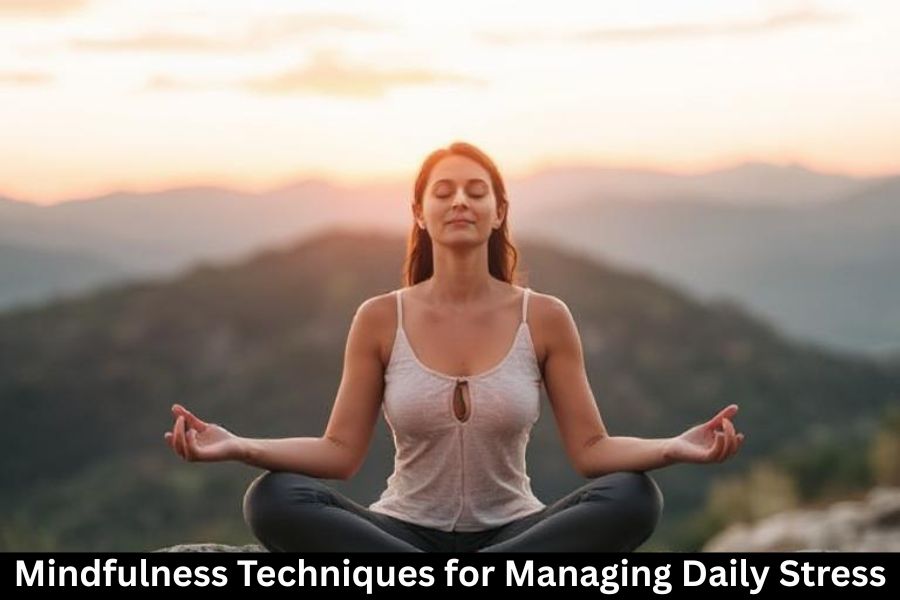
Daily stress has a sneaky way of piling up. One minute you’re checking emails, the next you’re replaying conversations in your head at 2 a.m. Sound familiar? This is where mindfulness steps in like a calm friend tapping you on the shoulder, reminding you to breathe and come back to the present.
What Is Mindfulness?
Mindfulness is the practice of paying attention—on purpose, in the present moment, without judgment. It’s not about emptying your mind or escaping reality. Instead, it’s about noticing what’s happening right now, both inside and around you, with curiosity rather than criticism.
Why Daily Stress Is a Modern Epidemic
From endless notifications to packed schedules, modern life keeps our nervous system on high alert. Stress used to be about survival. Now it’s about deadlines, traffic, and unread messages. Mindfulness offers a practical way to break this cycle and reset your mental baseline.
The Science Behind Mindfulness
Mindfulness isn’t just a feel-good trend. It’s backed by solid science and decades of research.
How Stress Affects the Brain and Body
Chronic stress keeps your body flooded with cortisol. Over time, this impacts sleep, immunity, digestion, and even memory. Your brain’s fear center, the amygdala, becomes overactive, while areas responsible for focus and emotional regulation weaken.
How Mindfulness Rewires Your Brain
Mindfulness works like a gym workout for your brain—gentle but powerful.
Neuroplasticity and Awareness
Regular mindfulness practice strengthens the prefrontal cortex, improving focus, emotional control, and decision-making. It literally reshapes neural pathways toward calm and clarity.
Hormonal Balance and Calm
Mindfulness reduces cortisol levels and activates the parasympathetic nervous system, shifting your body from “fight or flight” to “rest and digest.”
Benefits of Practicing Mindfulness Daily
Emotional Benefits
Mindfulness helps you respond instead of react. You become less hijacked by emotions and more capable of handling difficult moments with grace.
Physical Benefits
Lower blood pressure, improved sleep, reduced muscle tension, and fewer stress-related headaches are common benefits of consistent mindfulness practice.
Mental and Cognitive Benefits
Improved focus, sharper memory, and clearer thinking emerge as mental clutter fades. It’s like clearing background apps on your brain.
Common Myths About Mindfulness
“Mindfulness Is Religious”
Mindfulness has roots in ancient traditions, but modern mindfulness is completely secular. It’s a mental skill, not a belief system.
“You Need Hours of Meditation”
Even one mindful minute counts. Consistency matters more than duration.
“It’s Only for Calm People”
Mindfulness isn’t for calm people—it creates calm people. Messy minds are welcome.
Core Mindfulness Techniques for Daily Stress
Mindful Breathing
Your breath is the easiest anchor to the present moment.
Box Breathing Technique
Inhale for four counts, hold for four, exhale for four, hold again for four. Repeat. It’s like drawing a square with your breath.
4-7-8 Breathing Method
Inhale for four, hold for seven, exhale for eight. This technique is especially helpful before sleep.
Body Scan Meditation
Gently move your attention from head to toe, noticing sensations without trying to change them. This releases stored tension and reconnects you with your body.
Mindful Observation
Choose one object—a leaf, a cup, a cloud—and observe it fully. This simple act trains focus and quiets mental noise.
Mindful Listening
Listen without planning your response. Just hear. This practice reduces misunderstandings and deepens relationships.
Loving-Kindness Meditation
Silently repeat phrases like “May I be calm. May I be safe.” Then extend them to others. This softens stress fueled by resentment or anger.
Mindfulness in Everyday Activities
Mindfulness doesn’t require a cushion or silence.
Mindful Morning Routines
Feel the water while washing your face. Notice the aroma of coffee. Start your day grounded instead of rushed.
Mindful Eating
Eat slowly. Taste fully. Notice textures and flavors. This improves digestion and prevents stress eating.
Mindfulness at Work
Pause between tasks. Take three conscious breaths before meetings. Focus on one task at a time.
Mindfulness While Commuting
Notice the rhythm of walking or driving. Use red lights as reminders to breathe.
Mindfulness Techniques for Emotional Stress
Naming Emotions
Labeling emotions like “frustration” or “anxiety” reduces their intensity. What you name, you tame.
RAIN Technique
A powerful method for emotional regulation.
Recognize
Notice what you’re feeling.
Allow
Let it be there without resistance.
Investigate
Explore where it shows up in your body.
Nurture
Offer yourself kindness, not criticism.
Mindfulness for Physical Stress and Tension
Progressive Muscle Relaxation
Tense and release muscle groups slowly. This teaches the body what relaxation feels like.
Gentle Mindful Movement
Slow walking or stretching with awareness helps release stored stress.
Yoga and Stretching Awareness
Focus on breath and sensation rather than perfect poses.
Digital Mindfulness in a Distracted World
Mindful Social Media Use
Notice emotional shifts while scrolling. Set conscious limits.
Digital Detox Practices
Schedule screen-free time daily to reset your nervous system.
Single-Tasking Over Multitasking
One thing at a time reduces stress and increases quality.
Building a Sustainable Mindfulness Habit
Start Small and Stay Consistent
One minute daily beats an hour once a month.
Creating Triggers and Anchors
Link mindfulness to habits like brushing teeth or waiting in line.
Tracking Progress Without Pressure
Notice changes in how you react, not how “calm” you feel.
Overcoming Challenges in Mindfulness Practice
Dealing With a Wandering Mind
Wandering means it’s working. Gently return attention without judgment.
Finding Time in a Busy Schedule
Mindfulness fits into moments, not just calendars.
Managing Expectations
Mindfulness doesn’t erase stress. It changes your relationship with it.
Mindfulness for Different Lifestyles
Mindfulness for Professionals
Short pauses improve productivity and prevent burnout.
Mindfulness for Students
Improves focus, memory, and exam performance.
Mindfulness for Parents
Respond calmly to chaos instead of reacting automatically.
Mindfulness for Seniors
Enhances emotional well-being and cognitive health.
Mindfulness vs. Relaxation
Key Differences
Relaxation seeks comfort. Mindfulness embraces reality.
Why Mindfulness Goes Deeper
It builds awareness that lasts beyond calm moments.
Long-Term Impact of Mindfulness on Stress Management
Emotional Resilience
You bounce back faster from challenges.
Improved Decision-Making
Clarity replaces impulsivity.
Better Relationships
Presence improves communication and empathy.
Conclusion
Mindfulness isn’t about escaping stress—it’s about meeting life as it is, with steadiness and compassion. By practicing simple mindfulness techniques daily, you train your mind to pause, breathe, and respond wisely. In a world that constantly pulls you in every direction, mindfulness becomes your anchor, keeping you grounded no matter how rough the waters get.
Frequently Asked Questions (FAQs)
1. How long does it take to see results from mindfulness?
Many people notice small changes within a week, with deeper benefits developing over months.
2. Can mindfulness help with anxiety and overthinking?
Yes, it reduces rumination by anchoring attention in the present moment.
3. Do I need meditation apps to practice mindfulness?
No. Apps help, but mindfulness can be practiced anywhere, anytime.
4. Is mindfulness suitable for children and teens?
Absolutely. Simple breathing and awareness exercises work well for all ages.
5. What’s the best time of day to practice mindfulness?
Any time you’ll actually do it. Consistency matters more than timing.