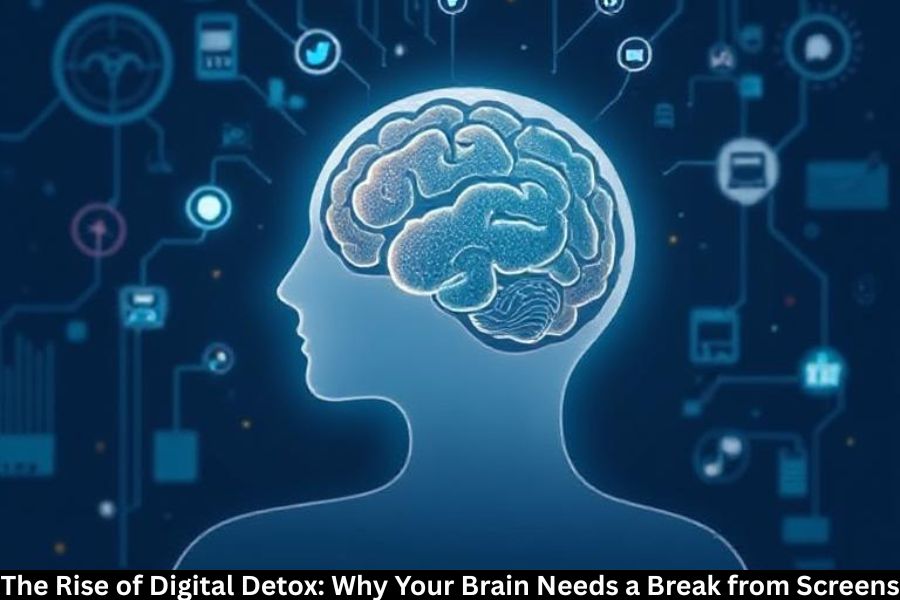
We live in a world where screens are everywhere. From the moment we wake up to the second we fall asleep, glowing rectangles dominate our attention. Phones, laptops, tablets, TVs, smartwatches—you name it. Screens have quietly woven themselves into every corner of modern life, and most of us barely notice how deep we’re in.
The Average Screen Time in Modern Life
If you’ve ever checked your screen time report and felt a mild sense of panic, you’re not alone. The average adult spends several hours a day staring at screens, often exceeding time spent sleeping or socializing face-to-face. What starts as “just checking notifications” quickly turns into endless scrolling, binge-watching, or multitasking across devices.
How Screens Became Unavoidable
Screens didn’t invade our lives overnight. They slipped in slowly, disguised as tools for productivity, entertainment, and connection.
Work, Entertainment, and Social Validation
Work emails, video calls, streaming platforms, social media likes—screens promise efficiency and dopamine hits all at once. But here’s the catch: the brain wasn’t designed to process this much stimulation without consequences.
What Is Digital Detox?
Before diving deeper, let’s clear the air.
Definition and Core Concept
A digital detox is a conscious break from digital devices to reduce stress, improve focus, and reconnect with the physical world. It’s not about abandoning technology forever. It’s about using it intentionally instead of letting it control you.
Digital Detox vs. Digital Minimalism
While digital detox focuses on taking breaks, digital minimalism is a long-term approach. Think of detox as a reset button, while minimalism is redesigning your relationship with technology altogether.
How Excessive Screen Time Affects the Brain
Your brain is powerful, but it has limits. Excessive screen time pushes it beyond healthy boundaries.
Dopamine Loops and Addiction
Every notification, like, or message triggers dopamine—the brain’s reward chemical. Over time, your brain craves these quick hits, creating addictive feedback loops similar to gambling or junk food.
Reduced Attention Span
Ever find it hard to focus on a single task without checking your phone? That’s not a coincidence. Constant digital stimulation trains your brain to seek novelty, making sustained attention feel uncomfortable.
Mental Fatigue and Brain Fog
Too much screen exposure overwhelms the brain’s processing capacity. The result? Mental exhaustion, decision fatigue, and that familiar foggy feeling where nothing seems clear.
Psychological Effects of Constant Screen Exposure
The mental toll of screen overload runs deeper than most people realize.
Anxiety and Depression
Studies consistently link excessive screen time with higher levels of anxiety and depression. The pressure to stay connected, respond instantly, and keep up with curated online lives creates chronic stress.
Sleep Disorders and Insomnia
Blue light from screens disrupts melatonin production, confusing your brain about when it’s time to sleep. Scrolling in bed is like telling your brain, “Stay alert, danger ahead.”
Social Comparison and Self-Esteem Issues
Social media often showcases highlight reels, not reality. Constant comparison can quietly erode self-esteem, leaving you feeling inadequate or left behind.
Physical Consequences of Too Much Screen Time
Your body pays the price too.
Eye Strain and Vision Problems
Dry eyes, blurred vision, headaches—digital eye strain is becoming a modern epidemic.
Poor Posture and Chronic Pain
Hours hunched over screens lead to neck pain, back issues, and what’s now called “tech neck.”
Sedentary Lifestyle Risks
More screen time usually means less movement, increasing the risk of obesity, heart disease, and metabolic issues.
Why Your Brain Needs a Digital Break
So why is digital detox such a big deal?
Restoring Cognitive Balance
A break from screens allows your brain to reset its reward system, reducing dependency on constant stimulation.
Improving Memory and Focus
Without digital interruptions, the brain can process information more deeply, improving learning and memory retention.
Enhancing Creativity
Boredom isn’t the enemy—it’s the birthplace of creativity. When screens disappear, imagination fills the gap.
The Science Behind Digital Detox
This isn’t just a trend—it’s backed by neuroscience.
Neuroplasticity and Screen Habits
Your brain rewires itself based on habits. Reduce screen time, and neural pathways linked to focus and emotional regulation strengthen.
Stress Hormones and Screen Usage
Constant notifications keep cortisol levels elevated. A digital detox helps lower stress hormones, promoting calm and clarity.
Signs You Need a Digital Detox
Not sure if you need one? Watch for these signals.
Emotional and Mental Red Flags
- Irritability when offline
- Feeling overwhelmed without reason
- Difficulty relaxing without a screen
Behavioral Warning Signs
- Checking your phone first thing in the morning
- Mindless scrolling
- Using screens to avoid boredom or emotions
Benefits of a Digital Detox
The payoff is worth it.
Improved Mental Clarity
Thoughts feel sharper, calmer, and more organized.
Better Sleep Quality
Fall asleep faster and wake up feeling refreshed.
Stronger Real-Life Relationships
More presence leads to deeper conversations and genuine connection.
Types of Digital Detox
There’s no one-size-fits-all approach.
Short-Term Detox
A few hours or a day without screens.
Weekend or Weekly Detox
Designated screen-free days to recharge.
Long-Term Lifestyle Detox
Ongoing boundaries and intentional tech use.
How to Start a Digital Detox
Start small and stay realistic.
Set Clear Goals
Why are you detoxing? Better focus? Less stress?
Identify Screen Triggers
Notice when and why you reach for your device.
Replace Screen Time with Healthy Habits
Read, walk, journal, meditate, or simply do nothing.
Digital Detox at Work
Work doesn’t have to mean nonstop screens.
Managing Emails and Notifications
Batch-check emails instead of constant monitoring.
Creating Screen-Free Work Blocks
Deep work thrives without interruptions.
Digital Detox for Social Media Users
Social platforms are designed to hook you.
Limiting Social Media Consumption
Use timers or delete apps temporarily.
Curating a Healthier Feed
Unfollow accounts that drain your energy.
Digital Detox for Families and Kids
Healthy habits start early.
Screen Time Rules at Home
Set boundaries everyone follows.
Encouraging Offline Activities
Board games, outdoor play, and creative hobbies make a difference.
Common Myths About Digital Detox
Let’s bust a few.
“I’ll Fall Behind”
You won’t. You’ll likely catch up faster with a clearer mind.
“It’s Impossible in a Digital World”
Balance is possible—even in a tech-driven society.
The Future of Digital Detox
The movement is growing.
Tech Companies and Digital Wellbeing
Even tech giants are adding screen time controls.
A Cultural Shift Toward Balance
More people are choosing presence over pixels.
Conclusion: Reclaiming Your Mind in a Screen-Heavy World
Digital detox isn’t about rejecting technology—it’s about reclaiming control. Your brain needs silence, boredom, and stillness just as much as stimulation. In a world that constantly demands your attention, choosing to unplug is a powerful act of self-care. Step back, breathe, and let your mind reset. You might be surprised by what you rediscover.
FAQs
Is digital detox realistic for busy professionals?
Yes. Even small breaks can significantly improve mental clarity and productivity.
How long should a digital detox last?
It depends. Some benefit from a few hours, others from days or ongoing limits.
Will digital detox reduce productivity?
In most cases, it actually improves focus and efficiency.
Can digital detox help mental health?
Yes. Reduced screen time is linked to lower stress, anxiety, and improved mood.
Do I need to quit social media completely?
Not necessarily. Mindful and limited use is often enough.